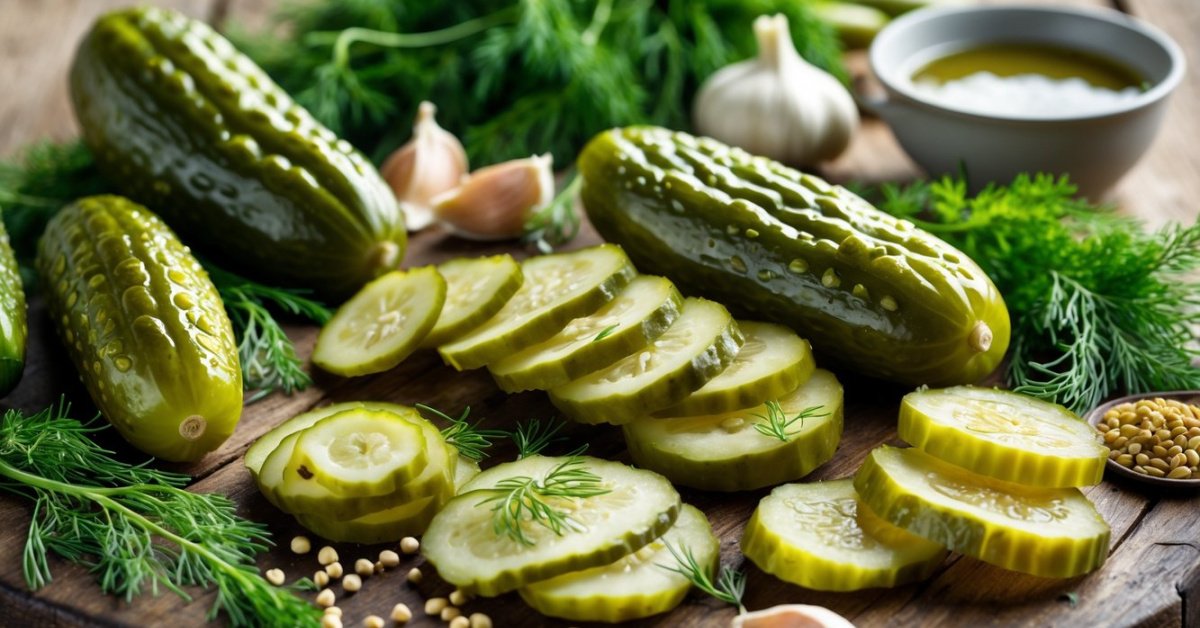
I love the tangy crunch of homemade pickles but waiting weeks for them to be ready just isn’t my style. That’s why quick refrigerator pickles are my go-to solution when I’m craving something fresh and zesty. In just 24 hours I can turn ordinary cucumbers into crisp flavorful pickles right in my own kitchen.
It’s surprisingly easy and doesn’t require any fancy equipment or canning skills. With a few simple ingredients and a bit of patience I get to enjoy homemade pickles that taste like they’ve been fermenting for days. If you’re looking for a fast and fun way to add some zing to your meals you’re in the right place.
What Are Quick Refrigerator Pickles in 24 Hours?
Quick refrigerator pickles in 24 hours are fresh cucumbers or vegetables submerged in a simple brine, then chilled for just one day. I make these pickles by slicing cucumbers, carrots, jalapeños, or onions, pouring a hot vinegar-salt-sugar brine over them, and storing them in the fridge. Unlike fermented pickles that use weeks-long bacterial processes, refrigerator pickles rely on acidity to develop crisp texture and bright flavor fast.
I don’t use canners or complex equipment when making these pickles, since the refrigerator does all the work. This method preserves produce like cucumbers or garden beans for one to three weeks, giving a crunchy result without heat processing or long waits. These pickles taste fresh, retain vibrant color, and work with a variety of homegrown vegetables.
Refrigerator pickling in 24 hours suits gardeners, busy cooks, and sustainability-focused folks, since anyone can enjoy their harvest quickly. I use this technique to keep food waste low and add tangy crunch to weeknight meals with minimal effort.
Essential Ingredients and Tools
Fresh produce and a few reliable tools create the foundation for crisp quick refrigerator pickles in just 24 hours. My pickling process steps up flavor and extends the harvest for home gardeners and self-sufficient cooks alike.
Choosing the Right Vegetables
Quality vegetables ensure vibrant pickles. I always use cucumbers, carrots, jalapeños, or onions at peak freshness. For cucumbers, I select pickling varieties like Kirby examples or Persian types because they stay firmer after brining. Homegrown carrots, cut into sticks, absorb brine quickly and keep their snap. Jalapeños bring heat and a garden-fresh crunch. Red onions turn pleasantly sweet with a rosy color. I avoid soft or bruised produce since it turns mushy.
Must-Have Tools for Quick Pickling
Reliable tools streamline my pickling routine and protect texture. I use sharp chef’s knives and mandolines for precise slicing, ensuring uniform pieces to pickle evenly. Quart-size glass jars with tight lids work best to hold both brine and veggies—repurposed canning jars make the process more sustainable. Stainless steel saucepans allow me to boil vinegar-based brines without metallic flavors. I rely on a heat-proof mixing bowl for quick veggie prep and a sturdy measuring cup for accuracy with brine ratios. My kitchen setup lets me move straight from garden harvest to refrigerator storage with minimal waste.
Step-By-Step Guide to Making Quick Refrigerator Pickles
I’ve turned my home harvests into crisp, bright pickles in a single day thanks to these streamlined steps. Each phase maintains vegetable texture, color, and flavor, making the most of every fresh garden find.
Preparing the Brine
I combine distilled white vinegar or apple cider vinegar, water, kosher salt, and granulated sugar in a stainless steel saucepan. Typical ratios are 1 cup vinegar, 1 cup water, 1-2 tablespoons salt, and 1-2 tablespoons sugar per quart of pickles. I bring the mixture to a simmer and stir until salt and sugar fully dissolve. I add whole spices such as mustard seed, coriander seed, black peppercorns, garlic, and red pepper flakes for extra punch, letting the hot brine steep with these aromatics for 5–10 minutes.
Packing and Storing the Pickles
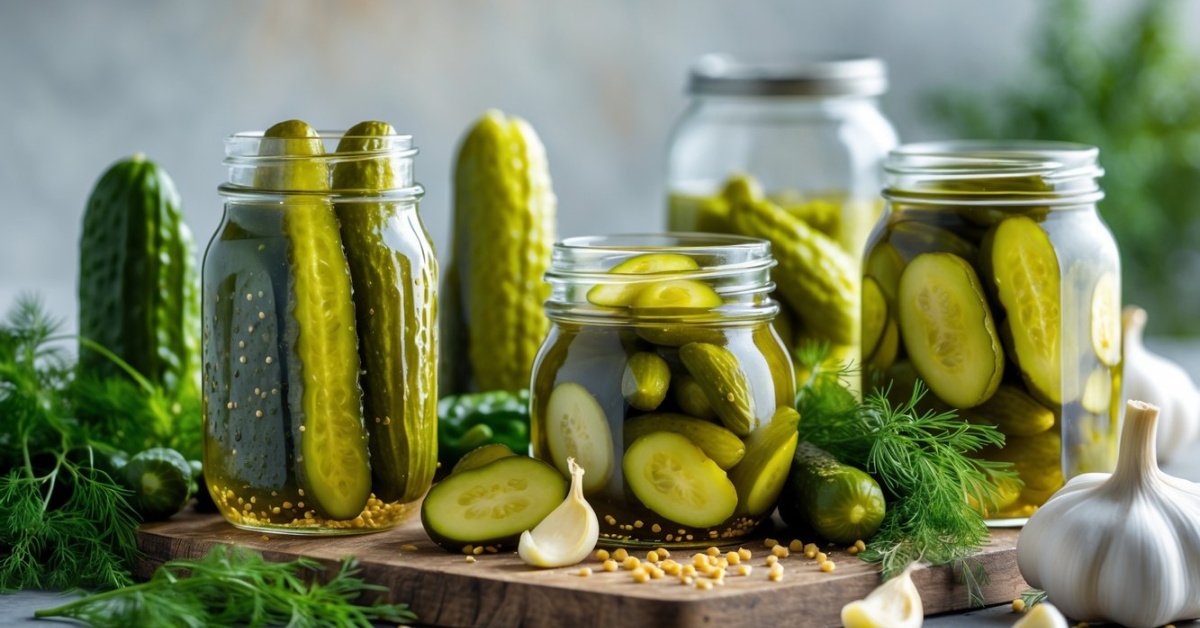
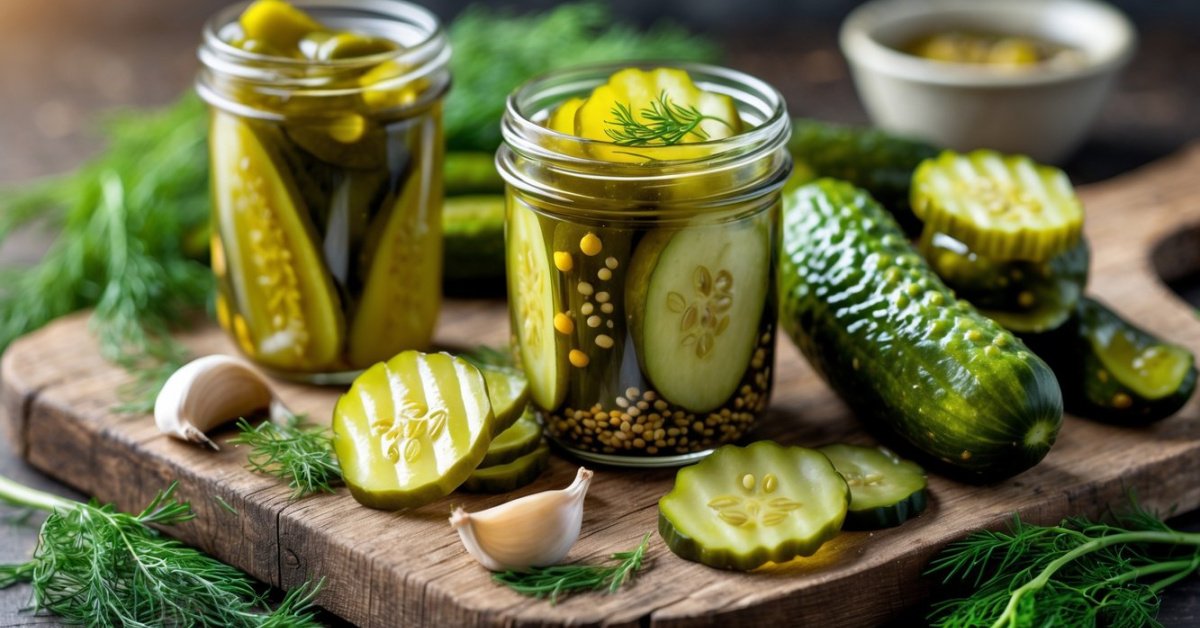
I fill clean, dry quart jars tightly with sliced cucumbers, carrots, onions, or jalapeños, then add fresh dill, garlic cloves, and extra hot peppers for variety. I pour the hot, seasoned brine over the vegetables, ensuring every piece is submerged by at least ½ inch. I seal the jars with lids and let them cool to room temperature before transferring to the refrigerator. My pickles sit for 24 hours to develop their signature crunch and tang, then stay fresh in the fridge for up to three weeks if kept submerged in brine.
Taste Test: Flavor, Texture, and Freshness
Flavor in quick refrigerator pickles becomes distinct after just 24 hours, thanks to fresh vegetables and whole spices. Every batch using homegrown cucumbers, carrots, or jalapeños absorbs the bright tang of vinegar, subtle sweetness from sugar, and earthy notes from dill seed, mustard seed, or black peppercorns. Brine flavors meld into crisp slices, creating a balanced taste with sharpness and gentle spice.
Texture stays satisfyingly crisp because the process avoids high heat or long fermentation. Slices of pickling cucumbers or carrot sticks snap cleanly when bitten, unlike store-bought pickles that sometimes soften from pasteurization or weeks in brine. Even fine strips of red onion hold their crunch, letting every bite maintain a fresh garden feel.
Freshness in these pickles stands out immediately. From harvest to jar, only hours pass before vegetables transform into pickles, with cold storage preserving their natural color and snap. When I open a jar, vibrant greens and oranges appear, and the aroma signals the produce’s original state. Short brining limits texture loss and flavor dulling, so each jar tastes like a recent garden haul, extending my harvest and helping me stay self-sufficient throughout the year.
| Attribute | Description | Example Spices/Vegetables |
|---|---|---|
| Flavor | Tangy, slightly sweet, pronounced by whole spices and fresh produce | Dill, mustard seed, jalapeño |
| Texture | Crisp, crunchy, not soft or soggy | Pickling cucumber, carrot sticks |
| Freshness | Bright colors, garden aroma, taste of peak-harvest produce | Red onion, just-picked cucumbers |
Tips for Customizing Your Refrigerator Pickles
Experimenting with different ingredient combinations allows me to make refrigerator pickles tailored to any taste or occasion.
- Vary Vinegars: Swapping distilled white vinegar with apple cider, rice wine, or white wine vinegar brings unique flavor layers. Apple cider vinegar creates a rounder, fruitier pickle, while rice wine vinegar yields subtle and mild results.
- Adjust Sweetness: Modifying sugar amounts shifts the pickles’ flavor balance. Increasing sugar gives a candied edge, as seen in bread-and-butter pickles, while decreasing it highlights the pure sour profile of traditional dills.
- Change Up Spices: Mixing in spices like mustard seed, dill seed, coriander, black peppercorns, and bay leaf lets me craft savory experiences. Red pepper flakes add heat for spicy pickles, while garlic cloves and fresh herbs, including dill and thyme, deepen the aroma.
- Pick Different Vegetables: Using more than cucumbers lets my harvest shine. Carrots, cauliflower florets, radishes, jalapeños, and green beans provide variety and color. Pickling red onions or fennel adds brightness and crunch to sandwiches and salads.
- Play With Salt: Switching between kosher, sea, or pickling salt subtly tweaks texture and flavor. Kosher salt creates a clean, balanced taste, while specialty salts can introduce mineral notes.
Consistent experimentation ensures I maximize my garden harvest while keeping every batch of quick refrigerator pickles unique.
How Do Quick Refrigerator Pickles Compare to Traditional Pickles?
Quick refrigerator pickles offer distinct differences when compared to traditional pickles, with variations in process, flavor, texture, preservation, and ingredient flexibility.
- Process time and method
I finish quick refrigerator pickles in 24 hours using a hot brine poured over raw vegetables, then store them in the refrigerator. I make traditional pickles with a fermentation process that uses a salty brine and takes 1-4 weeks in a cool, dark spot before reaching full flavor. Traditional pickles also frequently require canning equipment and boiling water baths for shelf stability.
- Flavor profiles
Quick refrigerator pickles deliver crisp, bright, and fresh-tasting vegetables that echo their original flavors. Their vinegar-forward tang is immediate, and spices stay bold. Traditional pickles, after fermenting or weeks of jar aging, develop deep, mellow sourness with complex, layered notes from lactic acid fermentation or prolonged brine contact.
- Texture and appearance
Quick refrigerator pickles keep vegetables crunchy and vibrant, preserving color and snap. Traditional pickles tend to soften over time, with more muted colors from brine penetration and fermentation.
- Preservation and shelf life
I store quick refrigerator pickles for up to three weeks in the fridge without sealing or pasteurization. Traditional pickles, once processed and sealed, last 1-12 months unopened at room temperature thanks to reduced pH and sealed jars (USDA National Center for Home Food Preservation).
- Ingredient and customization flexibility
Quick refrigerator pickles let me experiment with non-traditional vegetables (e.g., squash, green beans, radishes), aromatics, and herbs. Traditional recipes limit ingredient options to maintain preservation safety and regulate acidity for canning (FDA, USDA). This difference allows for more creativity with refrigerator pickling, without the constraints of pH or ingredient density for safety.
| Aspect | Quick Refrigerator Pickles | Traditional Pickles |
|---|---|---|
| Time | 24 hours | 1-4 weeks+ |
| Method | Vinegar- or brine-based, refrigerated | Vinegar or fermented, usually canned |
| Flavor | Bright, tangy, bold spices | Deep sour, mellow, layered flavors |
| Texture | Crisp, crunchy, vibrant | Softer, more muted colors |
| Shelf life | Up to 3 weeks, refrigerated | Up to 12 months, sealed at room temperature |
| Customization | High: any vegetables, spices, vinegars | Limited: must follow preservation guidelines |
I use both methods when stocking my pantry, based on the vegetables I grow, how soon I want to enjoy them, and my need for long-term storage.
Conclusion
Making quick refrigerator pickles in just 24 hours has changed the way I enjoy fresh produce. It’s such a satisfying way to capture the flavors of the season with hardly any waiting or fuss.
I love how easy it is to experiment and make each batch my own. Whether I’m craving something tangy or a little sweet I know I can whip up a jar that’s perfect for my tastes.
If you haven’t tried making your own refrigerator pickles yet I hope you’ll give it a go. It’s a simple kitchen project that brings a lot of joy to every meal.