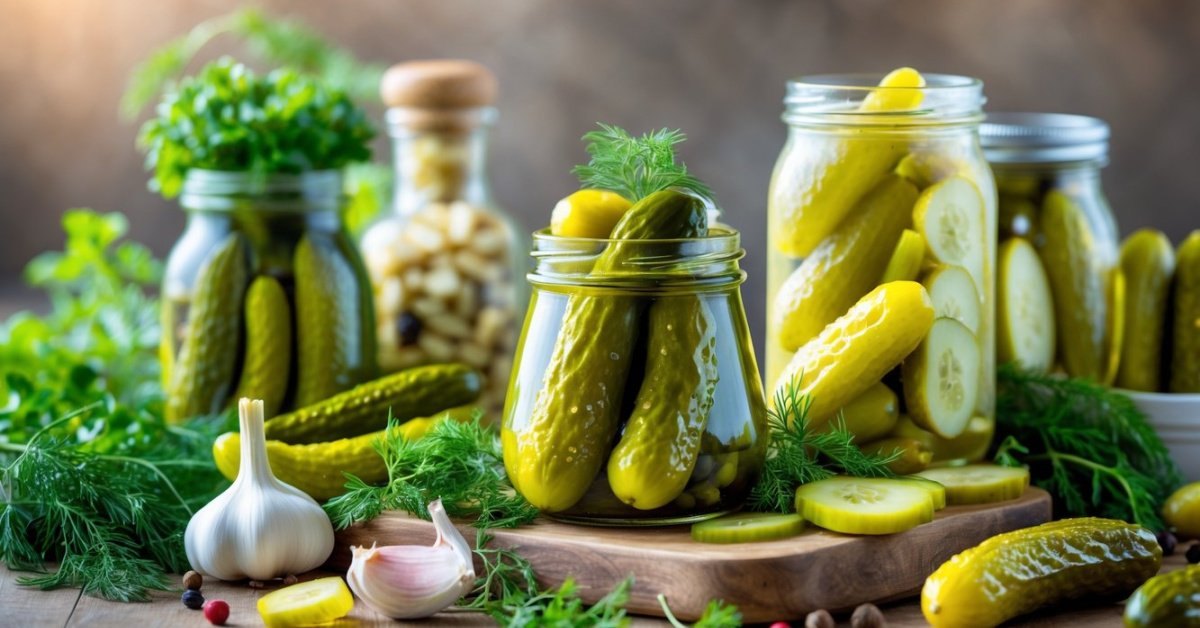
Whenever I think about ancient trade routes, I picture bustling markets filled with spices, silks, and treasures from distant lands. But tucked among those prized goods, there’s something a bit unexpected—pickles. It’s fascinating to realize that these tangy treats traveled just as far and wide as any rare gem or fragrant spice.
I’ve always been curious about how something as simple as a pickle could become a staple on caravans and ships. The story of pickles winding their way through ancient trade networks is full of surprising twists and flavors. It’s proof that even the humblest foods can have a rich and adventurous past.
The Origins of Pickling and Its Early Uses
Early civilizations started pickling over 4,000 years ago to preserve surplus harvests. Mesopotamians documented cucumbers preserved in brine, making some of the first recorded pickles. Egyptians, Babylonians, and Chinese cultures all adapted pickling methods for different vegetables. I often find that salt, vinegar, and spices show up repeatedly in ancient recipes, illustrating that preserving food for future use mattered everywhere.
Seafarers and traders depended on pickles during long journeys. Pickled vegetables provided crucial nutrients and kept longer than fresh produce. Roman soldiers, for example, carried pickled onions and cabbages to help prevent scurvy. Records from Indian trade, including the Arthashastra (c. 4th century BCE), mention pickled mango and ginger as part of merchant food stocks.
Markets in ancient cities like Alexandria and Babylon sold pickles both as food and as trade goods. Historical accounts connect garum (a fermented fish pickle from Rome), kimchi (Korea), and sauerkraut (China) to both local culture and long-distance commerce. I note that each community adapted its pickling method based on local ingredients, resulting in a rich variety of ancient pickles, all created to solve the same problem: food preservation in an unpredictable world.
Pickles as Essential Provisions for Ancient Travelers
Pickles acted as vital sustenance for ancient travelers moving along early trade routes. I rely on my experience with food preservation to highlight why pickles mattered so much on long journeys. Salt and acid from brine kept vegetables safe to eat far longer than fresh produce—an absolute necessity when merchants, sailors, or caravans ventured thousands of miles without reliable supplies. On routes like the Silk Road, Roman roads, and Indian Ocean passages, traders packed barrels of pickled cucumbers, cabbages, and roots for nutrition and safety.
Pickles offered important advantages over other foods if transport or storage times stretched for months. I see these advantages echoed in the variety of methods: vinegar pickles stood up well to warm climates, while salt-brined varieties fared better in colder zones. Historical records from Arabic, Chinese, and Mediterranean sources mention travelers eating pickles during both sea and land voyages. For example, Roman soldiers carried pickled onions and olives for rations, while Chinese junks included preserved vegetables for sailors.
Eating pickles kept people healthy because lactic acid fermentation supports gut health and the brine retains critical vitamins. When fresh fruit and greens couldn’t survive the trip, pickles became the best way to fight scurvy and malnutrition. My self-sustaining garden approach draws on the same logic: the right preservation techniques stretch a harvest and make healthy food available long after picking.
The importance of pickles as provisions fostered further trade: merchants exchanging pickled goods alongside spices and textiles expanded markets for both ingredients and techniques. I notice that this led to new recipes as travelers and locals swapped ideas and adjusted recipes to local produce and tastes. Even now, adapting preservation to journey, climate, and available crops carries lessons directly from those ancient roads.
Major Trade Routes and the Spread of Pickling Techniques
Major trade routes shaped the history of pickling by moving preservation knowledge and recipes across continents. I see a consistent pattern: when people traded, pickles followed, adapting to diverse local crops and tastes.
The Silk Road and Asian Pickling Traditions
Silk Road traders carried pickling ideas as far west as the Mediterranean and east toward China and Korea. In China, pickled vegetables like suancai (fermented cabbage) and in Korea, kimchi (spiced, fermented cabbage and radish) became essential staples. I notice how local ingredients such as napa cabbage, garlic, and ginger influenced unique flavors along the route. Caravans packed sturdy pickle jars for months-long odds, making fermented foods a shared resource among merchants traveling between Xi’an, Samarkand, and the Levant.
Mediterranean Trade Routes and Pickle Varieties
Mediterranean trade networks moved olives, capers, cucumbers, and salted fish from port to port. Greek traders soaked vegetables in vinegar and oil while Romans popularized brined cucumbers and preserved lemons. I find that in Egypt, traders introduced their own brining methods using vinegar, coriander, and dill—producing tangy pickles suited for hot, dry climates. Exchange between Phoenician, Greek, and Roman merchants spread new preservation techniques across three continents.
Maritime Routes and Pickles in Long Voyages
Maritime explorers packed barrels of pickled produce for nutrition on lengthy sea journeys. English sailors relied on pickled cabbage, like early versions of sauerkraut, to ward off scurvy. Dutch traders exported pickled herring and cucumbers as common provisions. I always remember how consistent access to brined foods kept voyaging crews nourished during unpredictable weather from the North Sea to the Indian Ocean. Maritime pickling practice influenced preservation in colonial outposts, establishing local adaptations of classic European methods.
Cultural Exchange Through Pickled Foods
Sharing pickled foods shaped ancient trade. I see pots of brined vegetables and fruits traveling in caravans from Asia to the Mediterranean, traded not just for taste but as essentials. Exchanging pickled foods meant more than swapping recipes—it transformed diets. Silk Road traders brought Chinese suancai and Persian torshi into Central Asian markets, and I still learn from those combinations when I experiment in my own kitchen with regional spices and garden produce.
Adapting pickling methods fueled local innovation. Merchants in India traded mango achar, while travelers from the Levant carried pickled turnips. My experience as a pickler traces these exchanges, where every jar has a story: Armenian merchants introduced cucumber pickles along Black Sea routes, inspiring Slavic cultures to develop their famous sour dills.
Pickled goods spread traditions at every stop. I discover echoes of these exchanges in North African preserved lemons and Japanese miso pickles, flavors that started as trade items and ended up as local staples. Ancient recipes adapted to native ingredients and preferences, becoming signatures of each culture’s cuisine—kimchi’s fiery heat from Korean peppers, or Italian giardiniera’s crisp tang from Mediterranean gardens.
Culinary techniques from pickled foods continue to cross cultures. Fermentation and brining methods share similarities, yet each tradition modifies the process, reflecting climate, available produce, and social customs. When I pickle, I connect to this lineage—adjusting brines depending on my harvest, imagining the hands that first shared salt and vinegar along ancient routes.
Lasting Legacy of Pickles in Global Cuisine
Pickles leave a distinctive mark on global cuisine, blending ancient preservation skills and local flavors across continents. I see clear evidence of this legacy in everyday food traditions around the world, where pickling still transforms seasonal harvests into year-round essentials.
- Asia – Kimchi and Tsukemono: Korean kimchi, with its spicy ferment of napa cabbage, and Japanese tsukemono, pickled radishes and plums, stand as daily staples. My travels in Japan revealed nearly every meal accompanied by a small dish of pickled vegetables.
- Middle East – Torshi and Preserved Lemons: Iranian torshi, made with assorted vegetables and spices, and Moroccan preserved lemons, always add complexity to stews or tagines. I often incorporate similar methods in my own kitchen, adapting spice blends from Persian and North African recipes.
- Europe – Sauerkraut and Cornichons: German sauerkraut, a central element in regional cuisine, and French cornichons, crisp and tart with tarragon or mustard seeds, continue patterns from Roman and Greek times. My garden-grown cabbage always ends up as at least one big crock of sauerkraut each winter.
- Americas – Dill Pickles and Escabeche: American dill pickles rely on vinegar brines brought by Eastern European immigrants, while Mexican escabeche—pickled carrots, jalapeños, and onions—taps into colonial traditions. Growing cucumbers and heirloom chilies lets me recreate these styles easily at home.
Techniques for fermentation and brining, exchanged along ancient trade links, still shape culinary identities and home preservation. My pickling projects pull from this global history, adjusting salt, acid, and spices, so harvests stretch through the year with diverse flavors. Pickles work as both vibrant condiments and essential sour notes in countless dishes, connecting meals today to an ancient, enduring practice rooted in trade and tradition.
Conclusion
Exploring the journey of pickles along ancient trade routes always leaves me amazed at how something so simple can carry such a rich and adventurous past. Every time I open a jar in my kitchen I’m reminded that these flavors have traveled continents and centuries before landing on my table.
It’s fascinating to think that the pickles we enjoy today are a living link to the ingenuity and resilience of people who came before us. Whether I’m tasting kimchi or a crunchy dill, I feel connected to a global story that’s still unfolding with every bite.