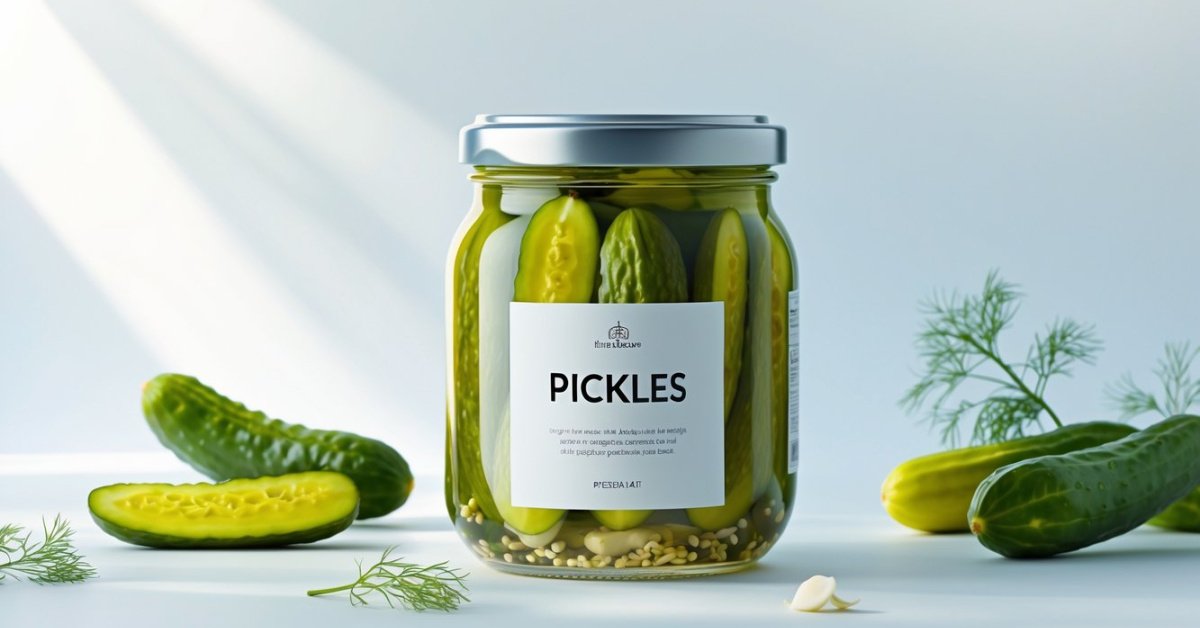
I’ve always loved the tangy crunch of a good pickle but lately I’ve started wondering if my favorite snack is actually doing me any favors. Pickles have been around for centuries and you’ll find them on everything from burgers to charcuterie boards. But when it comes to health there’s a lot of debate about whether they’re a smart choice or just a salty treat.
Some people swear by pickles for their supposed health benefits while others warn about the sodium and sugar hiding inside. I want to dig into the facts and clear up some common myths so we can all enjoy our next pickle with a little more confidence.
What Are Pickles? A Quick Overview
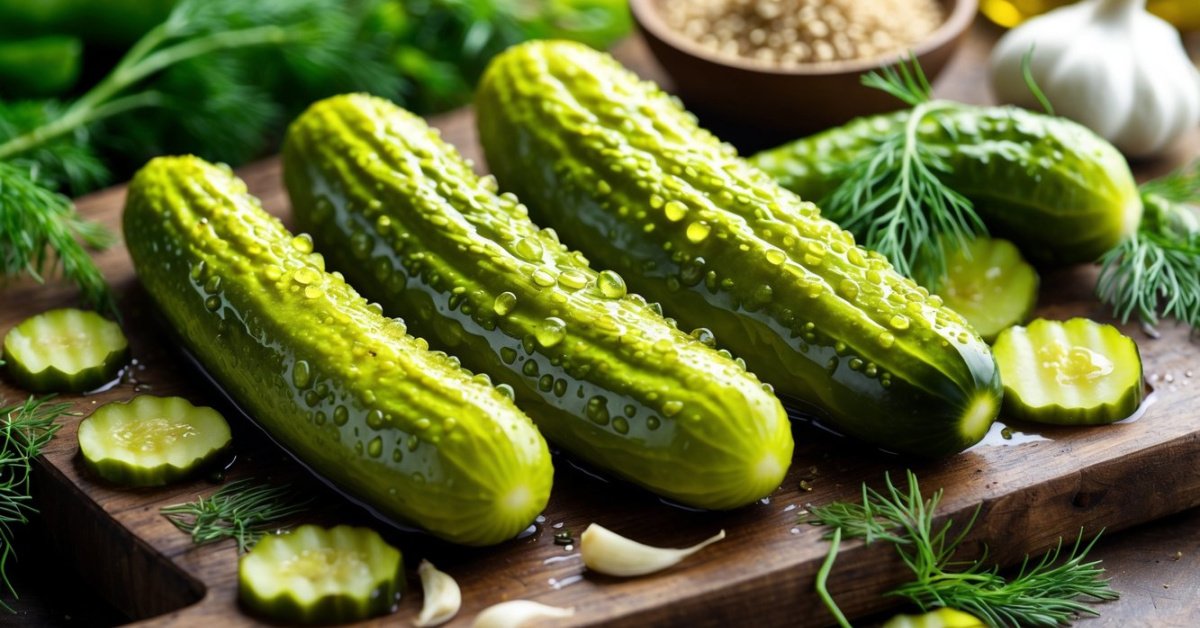
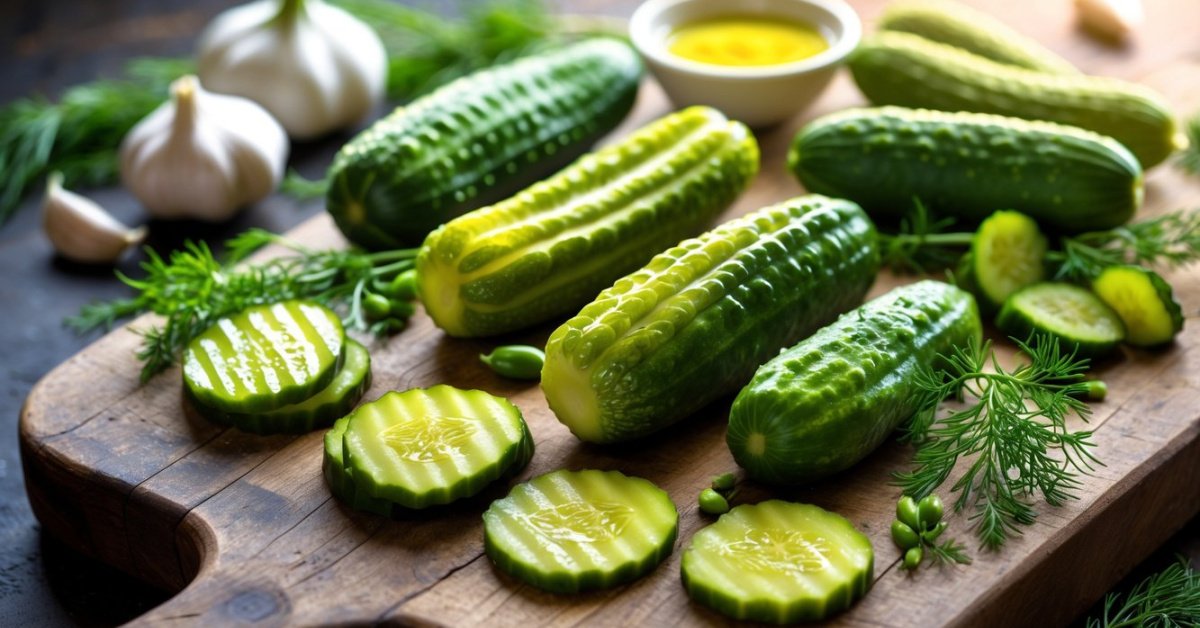
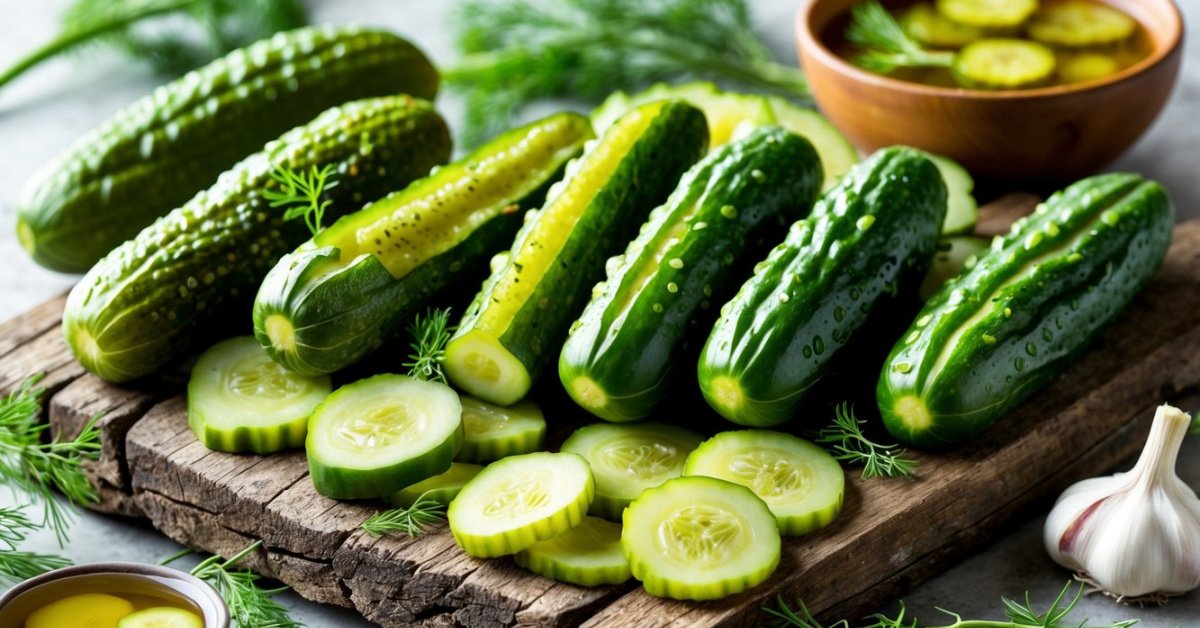
Pickles are vegetables, fruits, or other foods preserved in a brine or acidic solution. I make pickles from cucumbers, carrots, green beans, and even eggs. Pickling means soaking foods in vinegar, saltwater brine, or both, which controls spoilage and grows flavors.
Pickling methods vary. I use fermentation with salt brine for traditional sour pickles like dill spears and lactic acid pickles, or quick-pickling with vinegar for recipes like bread-and-butter slices. Fermented pickles develop their tang from natural bacteria, while vinegar-pickled foods rely on acetic acid for sharpness and preservation.
Ingredients in pickled foods shape their flavor and preservation. Salt, vinegar, water, and spices like dill, garlic, and mustard seeds are standard in classic cucumber pickles. Gardener-picklers often add peppers, herbs, or fruit slices for custom flavors.
Finished pickles stay crisp, tangy, and safe to eat for months when stored correctly. My cellar shelves hold jars from summer harvests through the winter, letting me enjoy homegrown foods all year.
Nutritional Benefits of Pickles
Pickles pack a surprising number of nutrients into every bite. I rely on them as flavorful additions to meals and snacks, while also appreciating their contributions to my self-sustaining food routines.
Vitamins and Minerals
Pickles provide essential micronutrients, including vitamin K, potassium, and small amounts of vitamin C. For example, dill pickles often contain 15–20% of the Daily Value for vitamin K in a single medium spear, supporting normal blood clotting (USDA, 2019). Pickled cucumbers retain some potassium after brining, with typical values of 25–35 mg per spear. While heat-processed or long-stored pickles lose more vitamin C, quick-pickled vegetables like bell peppers can retain up to 5 mg per ½ cup serving.
Probiotics and Gut Health
Naturally fermented pickles contain live beneficial bacteria called probiotics. I ferment cucumbers, carrots, and even green beans with salt brine to encourage the growth of lactobacilli, which help balance gut flora and support digestion (Cleveland et al., 2014). Store-bought vinegar pickles don’t contain live probiotics because they’re heat-processed. Only raw, unpasteurized, refrigerated pickles keep these probiotic cultures alive, offering the greatest benefit for gut health.
Potential Downsides and Risks
Even with my deep love for pickles and their role in my sustainable kitchen, I always consider their potential drawbacks. Understanding these helps me keep my preservation practices balanced and informed.
Sodium Content and Blood Pressure
Most pickles contain high sodium levels due to salt-based brines. One dill pickle spear typically contains 260–350 mg sodium, or 11–15% of the recommended daily limit (FDA, 2023). High sodium intake can raise blood pressure, especially in those sensitive to salt. I always monitor my salt use when fermenting large batches for pantry storage, and I recommend people with high blood pressure or heart conditions carefully track their intake or choose low-sodium recipes.
Added Sugars and Preservatives
Sweet pickles, such as bread-and-butter or sweet relish varieties, often have significant added sugars. One commercial bread-and-butter pickle spear can have up to 3–4 grams of sugar, increasing daily sugar intake. Preservatives and artificial colors sometimes appear in mass-produced jarred pickles, which can affect flavor and natural preservation. By making my pickles from garden cucumbers and using basic ingredients, I avoid these additives and keep my ferments as clean as possible. For store pickles, I always check the label for sugar content and additives before I buy.
Common Myths About Pickles
Pickles attract plenty of myths about nutrition, fermentation, and health effects. I see confusion about pickling all the time, especially from people new to the technique.
Myth: All Pickles Are Fermented
Many people assume every pickle involves fermentation. That’s not the case. Most commercial pickles are actually quick-pickled in vinegar, like supermarket bread-and-butter chips or classic dill spears. These products skip the slow fermentation process, using vinegar for instant sourness and preservation. Only salt-brined pickles, like traditional fermented dills or half-sours, create probiotics and develop live cultures during fermentation. Unless it’s labeled “fermented” or the brine is cloudy and often refrigerated, store-bought pickles rarely deliver beneficial bacteria. My home-fermented batches, by contrast, always go through a natural lactic fermentation that boosts gut health.
Myth: Pickles Help With Weight Loss
Pickles appear in weight-loss discussions because they’re low in calories—one spear usually holds fewer than six calories. That doesn’t mean eating pickles accelerates weight loss. Pickles don’t burn fat or reduce appetite in any significant, proven way. High sodium in most varieties, especially store-bought ones, can lead to water retention. Only using pickles as a healthier snack alternative to calorie-dense options, like chips or sweets, might support calorie reduction. For actual weight management, I focus on growing and pickling a variety of low-calorie veggies and avoid viewing pickles as a diet shortcut.
How to Choose Healthy Pickles
- Pick fermented, not just pickled
I look for raw, unpasteurized pickles with cloudy brine or “live cultures” on the label—these often come from the refrigerated section. Naturally fermented pickles, like lacto-fermented cucumber spears or kraut, offer probiotics that support gut health. Vinegar-brined store pickles, for example, usually lack probiotics after heat processing.
- Watch sodium and sugar content
I check the nutrition label for sodium—a single spear sometimes tops 300 mg, which adds up quickly. I favor varieties with less than 200 mg sodium per serving, especially for daily snacking, and avoid sweet pickles that list high fructose corn syrup or cane sugar as a leading ingredient. Classic dill and half-sour styles often contain less added sugar than bread-and-butter or gherkin types.
- Examine ingredient lists for additives
I seek out short ingredient lists with real foods: cucumbers, salt, water, vinegar, garlic, spices. Additives like polysorbate 80 or artificial coloring, for example, offer no benefit and can signal lower quality. Organic and natural pickles usually skip preservatives and dyes.
- Value homemade or small-batch sources
I trust my own pickled vegetables from garden cucumbers, knowing exactly what’s in each jar. Local farmers’ markets or small-batch brands often use traditional recipes and minimal processing, which preserves crispness and nutrients better than mass-market jars.
| Pickle Type | Typical Sodium (mg/serving) | Probiotics Present | Common Additives |
|---|---|---|---|
| Fermented Dill | 150–250 | Yes | Minimal (spices) |
| Commercial Vinegar | 200–350 | No | Polysorbate 80, coloring |
| Sweet Bread-and-Butter | 250–380 | No | Sugar, preservatives |
| Homemade Fermented | Variable, often lower | Yes | None or minimal (spices) |
- Store pickles wisely for safety
I keep raw, fermented pickles refrigerated, since they spoil faster than shelf-stable jars. Acidic, vinegar-brined pickles store in a cool pantry if sealed, but I always refrigerate after opening for best flavor and crunch.
- Sample different vegetables
I experiment beyond cucumbers, trying pickled carrots, green beans, or beets from the garden. These offer variety in nutrients and texture, broadening both my diet and my pickling repertoire.
Conclusion
Pickles have always added a burst of flavor and a bit of nostalgia to my meals. As with any food though it’s all about balance and making informed choices. I love knowing that I can enjoy pickles as a tasty snack while also supporting my health goals by being mindful of their ingredients.
Whether you’re new to pickling or a longtime fan there’s plenty of room to experiment and discover what works best for you. I hope my experiences and tips help you feel more confident about adding pickles to your plate—one crunchy bite at a time.