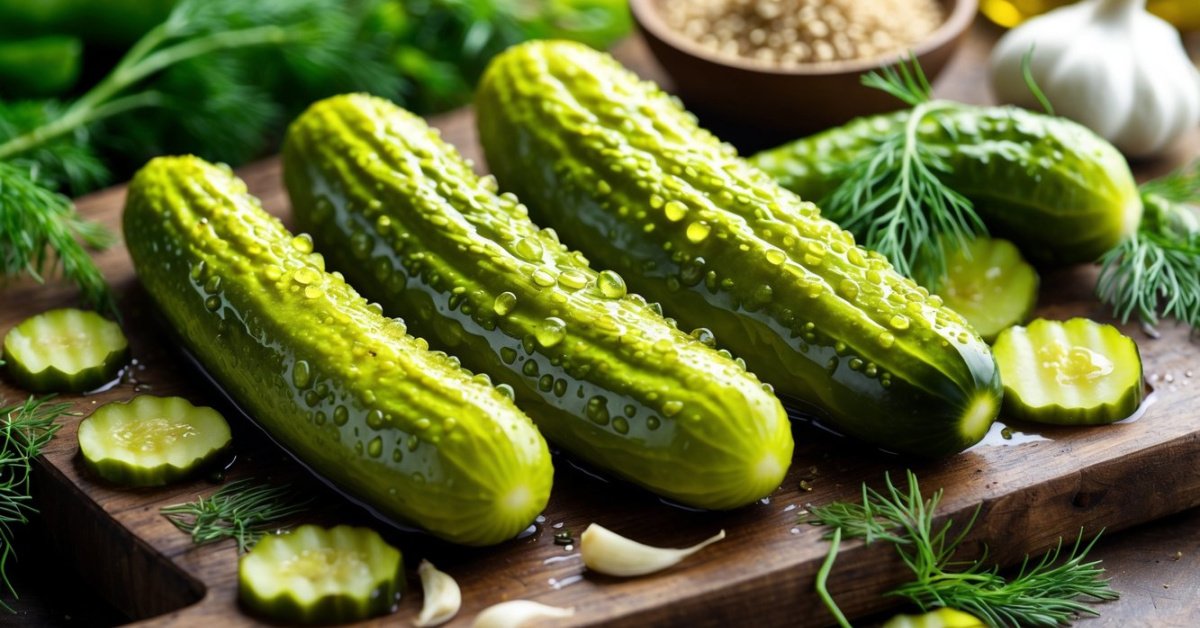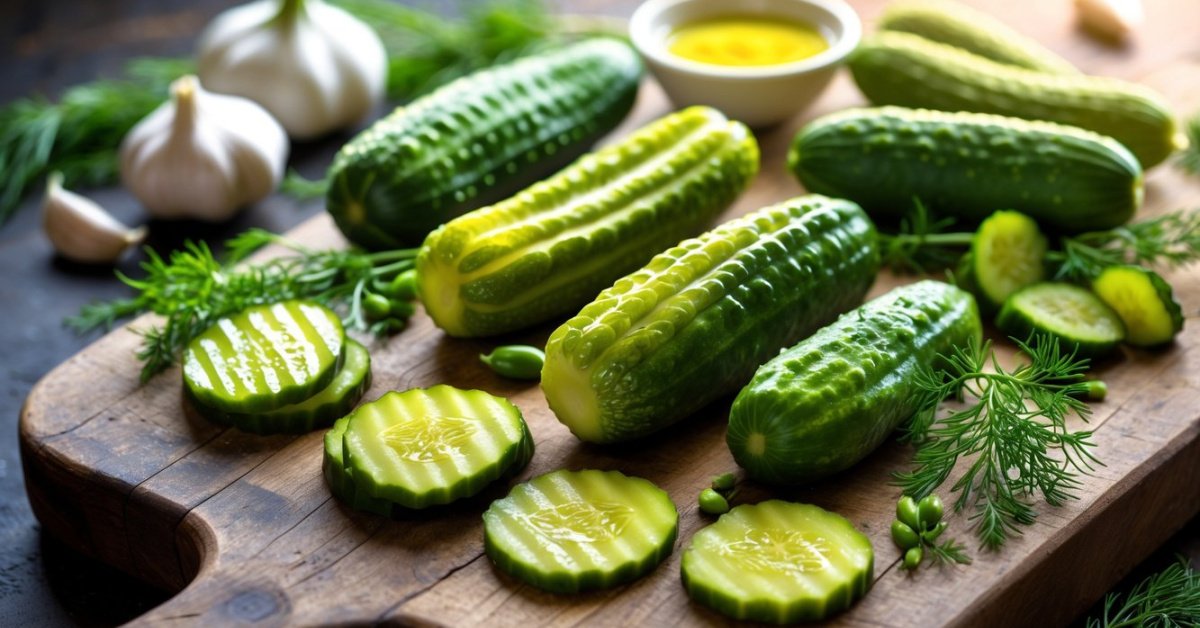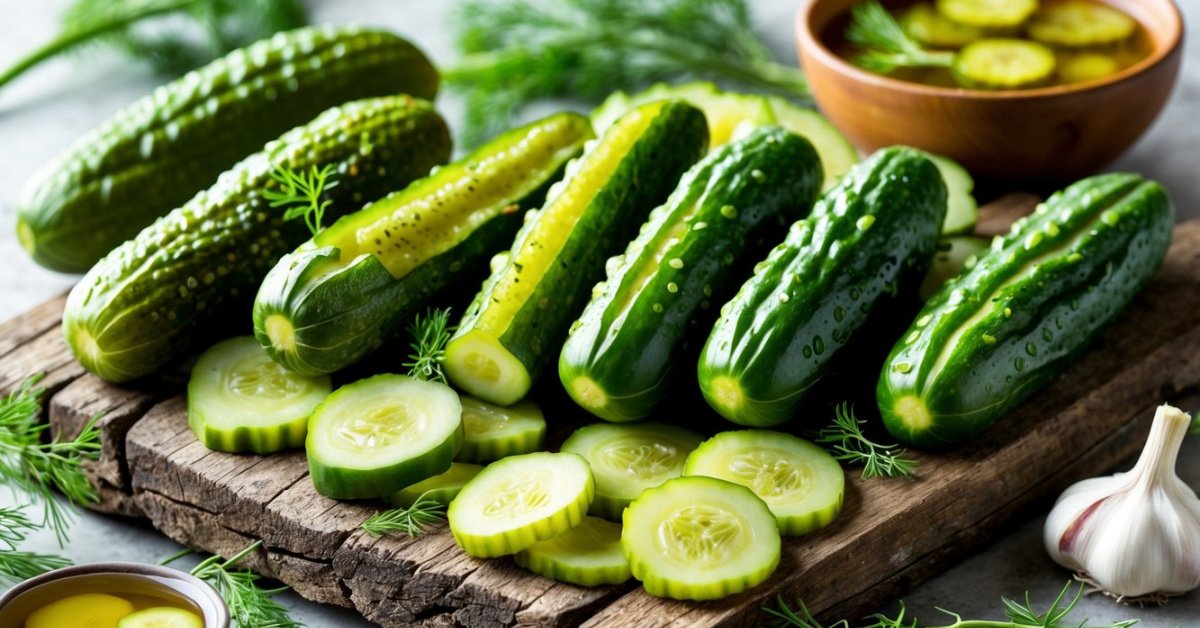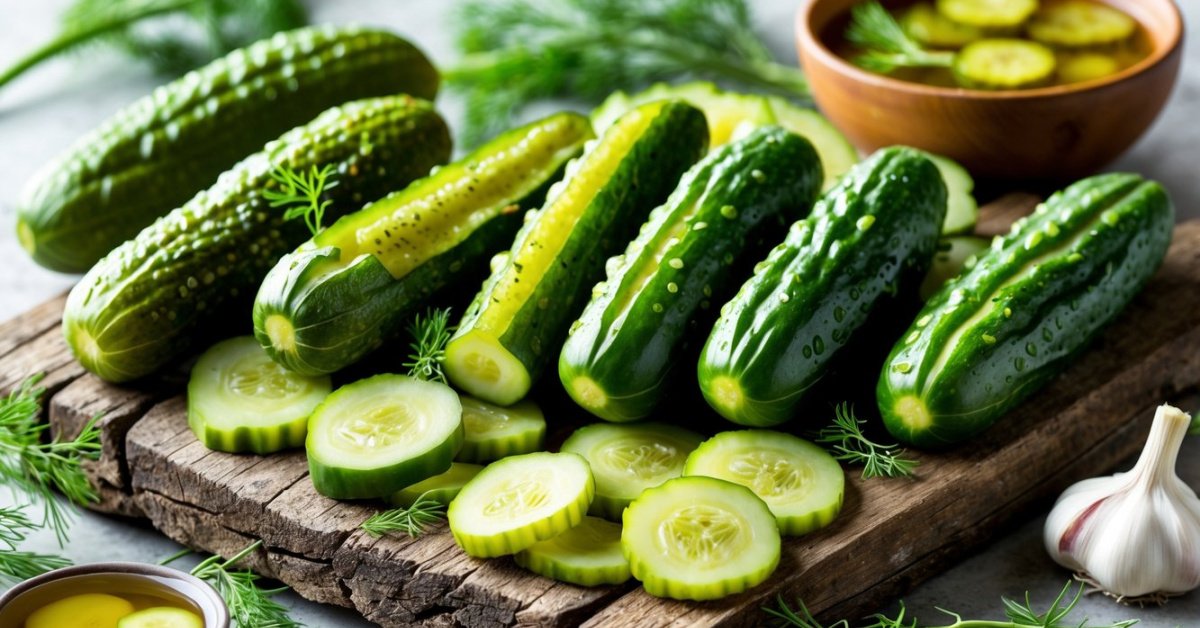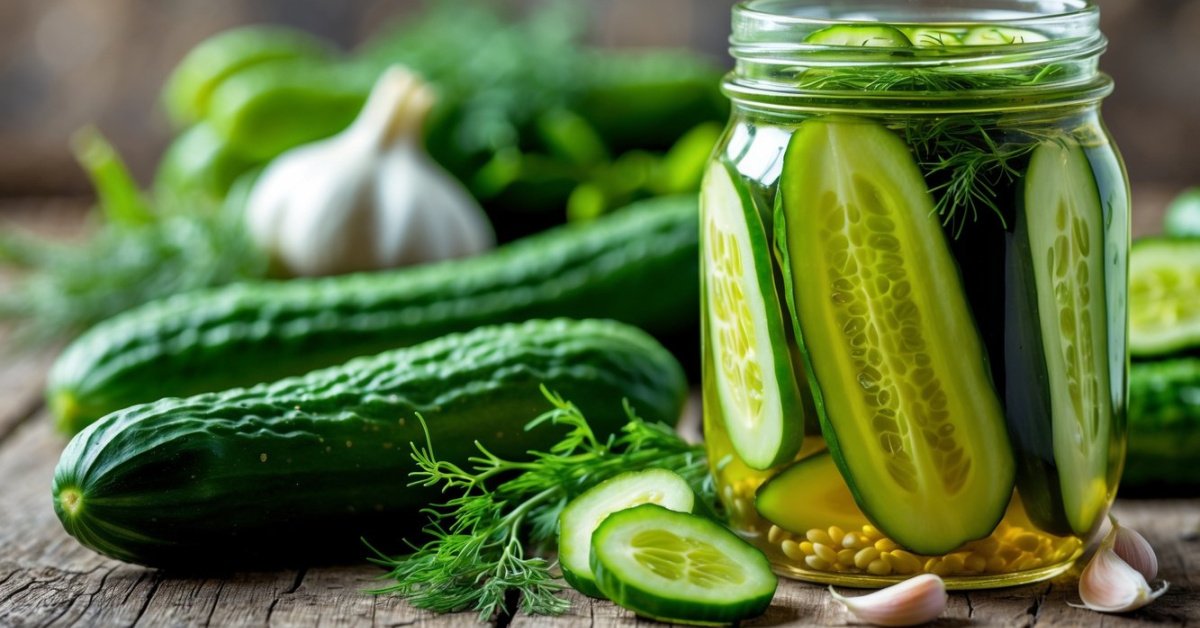
Whenever I walk into a Jewish deli the first thing that grabs my attention isn’t the towering pastrami sandwich or the sweet scent of fresh rye bread—it’s the pickles. Those crisp green spears sitting in a bowl on the table always feel like a welcome mat inviting me to settle in and savor the experience.
Pickles aren’t just a side dish in Jewish deli culture—they’re a tradition that packs history and flavor into every bite. I love how a simple pickle can spark conversation and set the tone for a meal that’s about more than just food. There’s something comforting and familiar about that tangy crunch that keeps me coming back for more.
The Historical Roots of Pickles in Jewish Deli Culture
Jewish deli culture traces its pickle tradition to Eastern European immigrants who brought centuries-old fermentation techniques when arriving in the US during the late 1800s. Communities from Poland, Russia, and Ukraine served pickled vegetables like cucumbers, cabbage, and beets at every meal, using salt or brine for preservation before refrigeration existed. Immigrant-run delis in New York and Chicago often featured barrels of half-sours and full-sours, both brined differently to appeal to varying flavor preferences.
Pickles helped Jewish families manage food scarcity by extending harvests well into winter, making self-sufficiency possible in urban settings. Classic deli menus always included pickles, showing pride in tradition and resourcefulness. Wide use of local produce, including homegrown dill, garlic, and cucumbers, rooted Jewish deli pickling in the broader garden-to-table movement. Pickled vegetables remain key to sustaining the heritage and flavors of Jewish delis today.
Traditional Pickling Methods and Ingredients
Decades of pickling experience have shown me that Jewish deli pickles owe their signature crunch and tang to time-honored brining and ingredient traditions. Jewish delis preserve these methods, using deliberate fermentation processes and specific spice blends to craft their classic flavors.
Classic Brining Techniques
Fermentation forms the foundation of traditional Jewish deli pickles. I start by submerging fresh cucumbers, sourced from my garden or trusted local farms, in a brine containing only water, kosher salt, and garlic. Barrel fermenting at room temperature over 3–7 days for half-sours or 3–4 weeks for full-sours encourages lactobacillus bacteria, which transform the cucumbers without vinegar. Crispness results from harvest freshness and rapid brine submersion before the sugars convert completely. I keep the brine to a salt ratio of about 5% by weight, optimizing crunch and flavor balance.
Signature Spices and Flavors
Distinctive flavors in Jewish deli pickles come from select spices. Most barrels I prepare get generous handfuls of whole garlic cloves, fresh dill crowns, peppercorns, and coriander seed. Mustard seed, bay leaf, and a touch of allspice sometimes enter the mix, producing subtle flavor notes. I avoid synthetic preservatives or additives, letting the spices, cucumbers, and salt merge naturally in the brining process. These elements ensure deli pickles remain herbal, robust, and unmistakably bright—authentic to generations of Jewish deli tradition.
The Role of Pickles in the Jewish Deli Experience
Pickles anchor the Jewish deli table, adding sharp, complex flavors that contrast with rich meats and breads. I always notice how a plate of pickled cucumbers signals generosity and invites diners into the deli’s rhythm of eating and conversation.
Pickles as Starters and Sides
Pickles set the tone for the meal in every classic Jewish deli. Servers bring out pickles—usually crisp half-sours and tangy full-sours—immediately after guests sit down. These free, bottomless plates of pickled cucumbers, tomatoes, and green tomatoes (examples) prepare the palate for mains like pastrami sandwiches and matzo ball soup. Pickles cut through fat, awaken taste buds, and cleanse between bites. Freshness and brine intensity vary, but each kind opens up the full spectrum of deli flavors.
Cultural Significance and Symbolism
Pickles tell the story of resourcefulness and tradition in Jewish deli culture. Brined foods, made with little more than garden produce, salt, and water, turned humble harvests into celebrated mainstays. I see a plate of pickles as a sign of abundance and warmth—a reminder that hospitality matters as much as food. Pickling techniques passed through families, linking generations and sustaining communities. In Jewish delis, pickles symbolize continuity, adaptability, and pride in self-sufficiency—especially for those who garden, harvest, and preserve their own food.
Varieties of Pickles Found in Jewish Delis
Jewish delis offer a spectrum of pickles that go beyond the classic cucumber. I find that each style captures a precise moment in fermentation and brings its own balance of tang, crunch, and aroma to the table.
Sour, Half-Sour, and New Pickles
Sour, half-sour, and new pickles anchor every Jewish deli pickle plate. I classify them by brining time, salt level, and acidity.
- Sour Pickles reach their peak after at least 2 weeks in fermented brine. They draw deep flavors from garlic, dill, and sometimes a peppery bite from mustard seeds or coriander. I always savor the boldest, sharply acidic notes in these—the gold standard for pairing with pastrami or rye.
- Half-Sour Pickles sit in brine for 3–7 days. These maintain their fresh green color, shown best in delis like Katz’s or Second Avenue Deli, and carry a mild salinity with bright garlic and dill. They’re crisp, almost juicy, never puckeringly acidic.
- New Pickles see immersion in brine for just 1–2 days. They retain a raw snap and light seasoning, perfect for fans of garden-fresh cucumbers who want just a touch of the traditional deli cure.
Specialty Pickled Vegetables
Deli cases present more than cucumbers. I’ve experimented with and served a range of vegetables, each contributing unique color, structure, and earthy or sweet undertones.
- Pickled Green Tomatoes appear almost as frequently as cucumbers. These firm slices deliver a tart crunch that balances heavier flavors and stand out at iconic spots like Zabar’s.
- Pickled Peppers—including cherry peppers and Hungarian wax peppers—offer heat and tang, used as palate cleansers or in sandwiches.
- Pickled Carrots, Turnips, and Cauliflower find their way into relish trays and antipasti. Each absorbs brine differently; I choose carrots for their mellow sweetness, while cauliflower takes on spices more deeply.
- Pickled Garlic and Beets reflect the resourcefulness I admire in old-school deli traditions, turning surplus garden produce into year-round delicacies.
Jewish deli pickles, in all their varieties, showcase not just preservation skills but a celebration of seasonal abundance and flavor diversity. My passion for growing and pickling vegetables lives every day in these classic deli selections.
Modern Takes and Innovations in Deli Pickling
Small-batch experimentation has transformed deli pickling. I see modern delis layering bold flavors like turmeric, ginger, and chili into brines, departing from just garlic and dill. Popular examples include spicy garlic half-sours and bread-and-butter pickles given a wasabi kick. Locally grown produce helps delis create rotating pickle selections with carrots, fennel, and apples, broadening the vegetable mix on the table.
Fermentation technology has advanced the pickling craft. I use temperature-controlled fermentation crocks and oxygen-locking lids to dial in crunch, sourness, and safety. Many delis now offer refrigerated “living pickles,” ensuring probiotics and flavor last longer without pasteurization.
Creative plating has elevated pickles from simple side dishes to centerpieces. I’ve plated pickle flights, pairing varied brines and cuts for tasting experiences. Restaurants serve pickled vegetables on charcuterie boards or as garnishes for cocktails and small plates, giving pickles new culinary relevance.
Sustainability practices shape my pickling philosophy and modern deli menus. I pickle surplus from my own garden and work with local growers to cut food waste. Recent deli menus showcase zero-waste brine cocktails, pickled herb stems, and even brined fruit, expanding what guests expect from a Jewish deli pickle offering.
Why Pickles Endure in Jewish Deli Culture
Pickles last at the heart of Jewish deli culture because they’re adaptable, crowd-pleasing, and deeply rooted in both flavor and community. Daily, I’ve watched pickles bridge generations, introduce new eaters to old flavors, and turn simple meals into shared traditions.
- Adaptability Across Eras
Pickles adapt easily to changing tastes, supply, and trends in Jewish delis. Over decades, pickling methods have shifted from barrel-aged classics to quick refrigerator pickles and fermented “living” pickles with probiotics. Each batch can showcase seasonal garden harvests—I’ve brined everything from classic Kirby cucumbers to carrots, garlic scapes, and green tomatoes.
- Taste and Texture Balance
Pickles consistently balance out the rich, often fatty deli meats and breads. Their crunchy bite and sourness enhance every bite, whether I’m serving corned beef, pastrami, or a bagel with schmear. Salt and tang from long-fermented sours or the freshness of a quick half-sour sharpen flavors and refresh the palate, a pairing that rarely fails with deli staples.
- Cultural Continuity and Memory
Pickles connect me to generations before me. Recipes and brine ratios survive immigration, family moves, and even world wars. Jewish immigrant families, mine included, brought old-country pickling skills and preserved them as a point of identity and resilience. When I drop dill and garlic into a crock, I’m repeating family history, echoing the steps of ancestors in Poland, Russia, or Lithuania.
- Hospitality and Welcome
Jewish delis offer pickles immediately, no order needed. This instant hospitality remains unchanged. A fresh, cold spear on the plate speaks louder than words about generosity and abundance. I find that new guests to my table feel more at home when they’re greeted by a colorful, aromatic pickle tray before the main meal arrives.
- Self-Sufficiency and Garden Connection
Pickling lets me practice real food sustainability. Overgrown gardens, bumper crops, and leftover vegetables rarely go to waste. Early Jewish deli owners, like many immigrant families, counted on preserving produce for leaner months. My home kitchen still runs on this principle—every jar signals independent food security and creative preservation.
- Platform for Innovation
Pickles invite new experiments while honoring old techniques. Modern delis—often inspired by gardeners and chefs like me—layer brines with everything from turmeric and ginger to jalapeños and allspice. This blend of innovation and respect for tradition keeps pickles at the center of deli identity.
Jewish deli pickles endure because they meld history, hospitality, resourcefulness, and endless variety into one humble bite, forever sustaining both appetites and communities.
Conclusion
Whenever I sit down at a Jewish deli and see that familiar bowl of pickles arrive at the table I’m reminded of the vibrant blend of history and creativity that defines this tradition. There’s something comforting about knowing each crunchy bite is rooted in generations of care and resourcefulness.
Pickles aren’t just a treat for the taste buds—they’re a living link to the past and a celebration of community. I love how they invite everyone at the table to slow down savor the moment and connect over a shared love for something simple yet deeply meaningful.