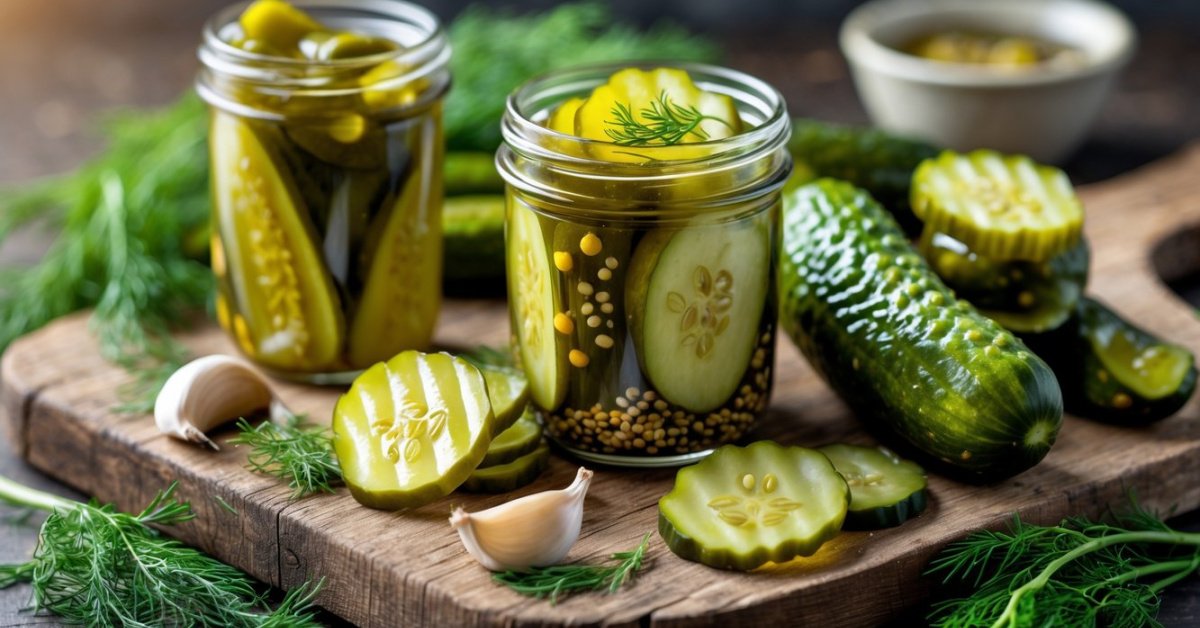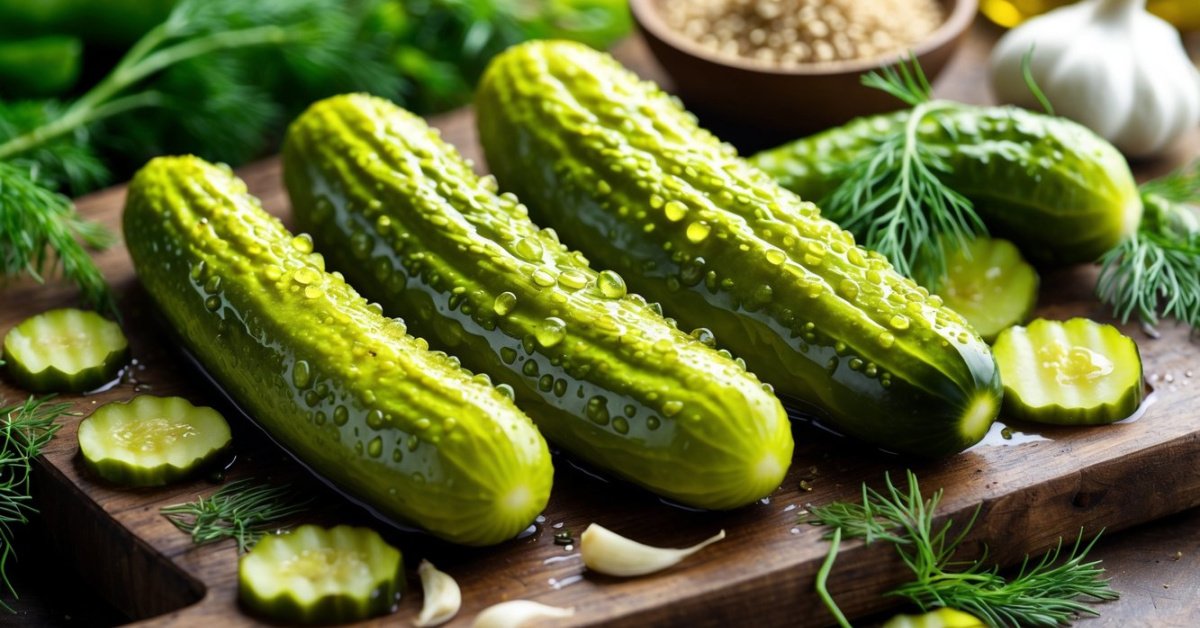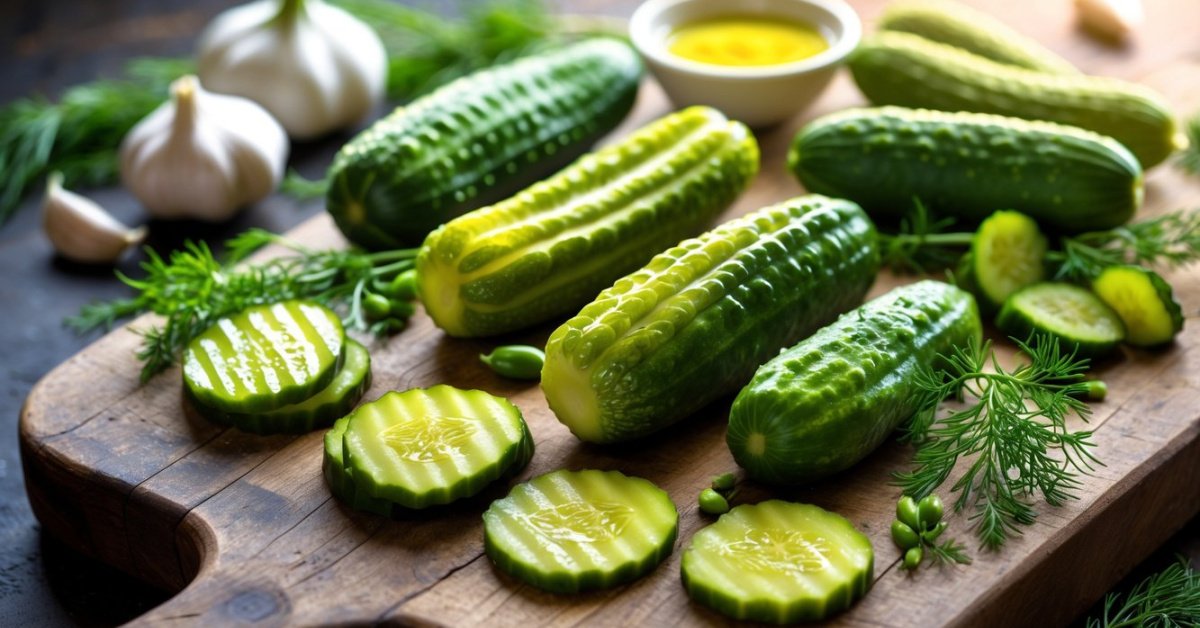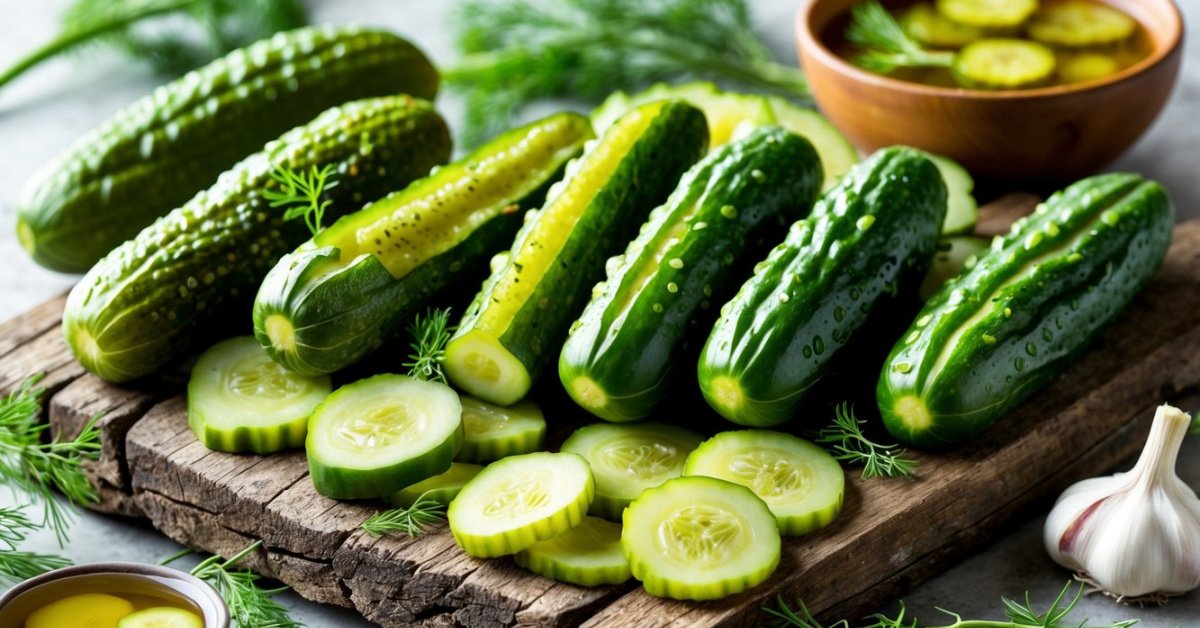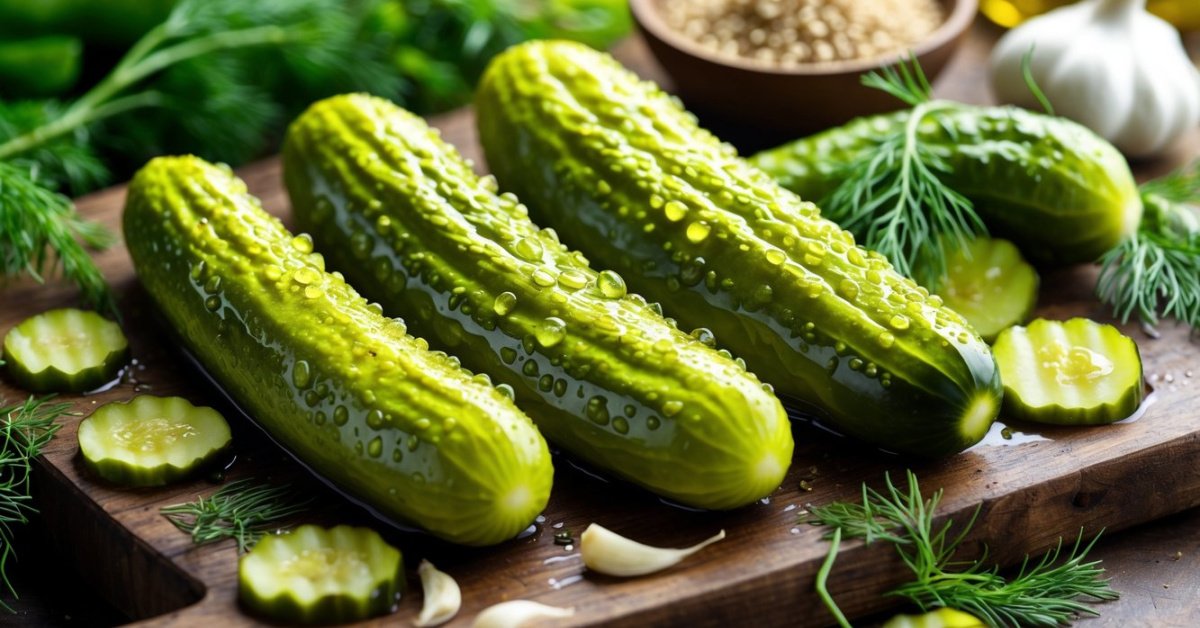
Whenever I think about Russian cuisine the first thing that comes to mind isn’t just hearty soups or rich pastries—it’s pickles. There’s something special about the way Russians embrace pickling, turning simple vegetables into tangy treats that show up at every meal. These aren’t just side dishes; they’re an essential part of the table, adding crunch and flavor to everything from family gatherings to festive feasts.
I’ve always been fascinated by how pickles carry stories and traditions in Russian homes. Whether it’s a jar of crisp cucumbers or spicy sauerkraut, each bite connects me to a culture that finds comfort and joy in preserving the harvest. It’s more than just food—it’s a way to celebrate the seasons and share memories across generations.
The Historical Roots of Pickles in Russian Food Culture
Pickles trace deep roots through Russian food culture, forming part of home preservation since at least the ninth century. Archeological finds in Novgorod unearthed remnants of pickled cucumbers and cabbage, confirming that fermented preserves have played a vital role in local diets for over a millennium. Russian climate patterns made year-round access to fresh produce impossible, compelling people like me to rely on fermentation and brining to store garden harvests for winter.
Monasteries, peasant households, and royal kitchens alike preserved vegetables using salt, herbs, and natural fermentation. Household pickling recipes passed from generation to generation, making every family’s cellar selection unique. Cabbage, cucumbers, wild mushrooms, and apples often filled clay and wooden tubs, reflecting the importance of biodiversity in Russian gardening. Salt taxes in the seventeenth century increased the value of homemade pickles, turning careful brining into an act of resourcefulness and ingenuity.
Pickles formed the everyday foundation of Russian food, whether enjoyed with black bread, vodka, or hearty soups. Through harvest rituals and communal work parties, pickling became both a necessity and celebration, marking the end of summer and binding communities together.
Types of Pickles Popular in Russia
Russian tables feature an array of pickles crafted for preservation, nutrition, and bold flavor. I’ve studied the evolution of pickling methods across regions, noting how both classic recipes and local innovations define Russia’s pickled landscape.
Traditional Vegetable Pickles
Classic Russian vegetable pickles rely on fermentation for preservation and depth of flavor. I typically prepare:
- Pickled Cucumbers (солёные огурцы)
Salted cucumbers, brined with garlic, dill, and blackcurrant or oak leaves, appear at nearly every meal. Fermentation gives them a crisp bite and a subtle sourness.
- Sauerkraut (квашеная капуста)
Cabbage with carrots and cranberries ferments in salt, producing a tangy pickle rich in vitamins. Many families serve it as a salad base or an accompaniment for meat and potatoes.
- Pickled Tomatoes (солёные помидоры)
Whole tomatoes—often small and firm—pickle with bay leaves, horseradish roots, and mustard seeds. The brine balances acidity and heat, a preference in Siberian regions.
- Mixed Vegetables (ассорти)
Assorted pickled produce, including green tomatoes, sweet peppers, garlic, and unripe apples, combine in a single jar. These medleys show up during autumn harvest celebrations.
Unique Regional Varieties
Russia’s vast territory produces pickles that express local climates and traditions. When I travel or swap recipes, I find:
- Mushroom Pickles (грибы солёные)
Forest mushrooms, like milk caps or chanterelles, ferment with garlic, black pepper, and herbs in Volga and Northern areas. Mushroom pickling supports forest foraging culture.
- Watermelon Pickles (солёный арбуз)
In southern Russia, slices of unripe watermelon brine with hot peppers and garlic. These pickles have a sweet-sour punch, drawing from regional watermelon harvests.
- Apple Kvass Pickles (квашеные яблоки)
Tart apples submerge in a lightly sweet-salty brine, sometimes with rye flour or honey. Popular in the northwest, these apples offer a fizzy tang unique to the area.
- Fermented Garlic Shoots and Wild Leeks (черемша)
Siberia and the Far East specialize in pickling wild ramsons and garlic leaves. These brined greens complement fatty meats and extend foraged flavors through winter.
Every region’s pickling traditions show the deep link between local harvests and the Russian table, inspiring new experiments in my own kitchen.
The Role of Pickles in Everyday Russian Cuisine
Pickles anchor daily Russian eating, connecting ordinary meals to cultural ritual. I find these preserves transform even simple spreads into vibrant, flavorful experiences rooted in homegrown tradition.
Pickles as Side Dishes and Appetizers
Pickles appear with almost every Russian meal, acting as essential sides and openers. I always serve sliced salted cucumbers, spiced tomatoes, or fermented cabbage with black bread as zakuski—small appetizers before the main meal. Families pair pickled mushrooms or sauerkraut with hearty soups like borscht and shchi for brightness and crunch. Guests often reach for pickled garlic or watermelon with vodka, following a custom dating back centuries. Every household preserves their own favorites, and offering these jars reflects personal pride in gardening, pickling skills, and resourcefulness.
Pickles in Festive and Holiday Meals
Pickles take on special meaning during celebrations. My festive tables always feature trays of assorted pickled vegetables, set alongside meats and savory pies at New Year’s, Easter, and wedding feasts. Christmas Eve meals, traditionally meatless, often showcase jars of mushroom or cabbage pickles as stars of the menu. Sharing these jars isn’t just about taste—it celebrates harvest, honors ancestors’ recipes, and bonds family and friends across generations. Every holiday gathering I host feels more abundant and joyful when the pickles, carefully put up in late summer, return to the table months later.
Pickling Methods and Ingredients
Russian pickling methods shape more than flavor—they build pantry staples that last through winter and preserve garden harvests. I rely on time-tested techniques and distinctive ingredients to create pickles that deliver the tang, crunch, and aroma central to Russian food culture.
Classic Russian Pickling Techniques
Fermentation and brining define classic Russian pickling. I use lacto-fermentation for vegetables like cucumbers, tomatoes, and cabbage, relying on saltwater and natural bacteria to preserve flavor and texture. Most traditional recipes call for a salt ratio of 40-60 grams per liter of water, ensuring a balanced brine that encourages beneficial microbes. I submerge vegetables fully beneath the brine, weigh them down, and ferment them in a cool cellar or pantry for 7-30 days. For some quick pickles, like “malosolnye” cucumbers, I use a lighter salt solution and reduce fermentation to 2-3 days, capturing a crisp, fresh taste. Vinegar brining sometimes appears in modern kitchens, though I reserve it for quick preservation when I want sharper acidity.
Common Herbs and Spices Used
Herbs and spices shape every batch I craft. Black currant leaves and horseradish roots add tannins, keeping pickles crisp. Dill umbrellas, garlic cloves, and cherry leaves introduce deep aroma and classic flavor. Bay leaves, peppercorns, allspice, and mustard seeds contribute warmth and complexity. I often layer tarragon, parsley, and oak leaves for subtle bitterness and additional preservation qualities. Regional mixes might include coriander or caraway seeds in cabbage kraut for a bright undertone. I choose fresh herbs from my garden during summer, knowing that the right blend transforms ordinary vegetables into distinctively Russian pickles rich with tradition.
The Cultural Significance of Pickling Traditions
Sharing pickles is one of the oldest rituals I know in Russian homes, where hospitality and preservation meet. In rural villages, I see neighbors gathering each autumn for communal pickling, trading hard-earned cucumbers or late-season cabbage, and exchanging family spice mixes as quietly as they might pass down heirlooms. Each mason jar on a Russian table isn’t just food; it’s a vessel of memory, linking families across time and space by taste and scent.
Celebrating the harvest with preserved bounty is essential in Russian households, especially where winters are harsh and fresh options vanish. Pickling lets me stretch the joy of my summer garden through every frosty month. My pantry shelves, lined with jars from briny mushrooms to zingy tomatoes, aren’t just larders; they’re proof of self-sufficiency, resourcefulness, and a deep-rooted respect for nature’s cycles.
Passing down recipes and techniques preserves both food and identity. I learn my pickling craft by watching elders select the crispest produce, whisper salt proportions, and layer in dill or garlic just so. In my experience, every family’s pickles reveal the flavors of their region, their available crops, and their taste for spice, making each jar a culinary fingerprint that’s as unique as any signature.
Opening a jar of pickles in my kitchen always calls up stories and traditions. I serve salty cucumbers or fizzy sauerkraut to friends or family not just as appetizers but as a gesture of kinship. During winter feasts, I watch loved ones pass plates of pickled watermelon and cabbage, keeping alive customs just as vital as the feasts themselves. In Russian culture, pickling traditions aren’t just about preserving food—they preserve a way of life.
Conclusion
Exploring Russian pickling traditions has given me a deeper appreciation for the warmth and resilience woven into every meal. Each jar on the shelf feels like a small celebration of heritage and togetherness.
Whenever I open a fresh batch of pickles in my kitchen I’m reminded of the generations before me who found comfort and joy in these simple preserved vegetables. There’s something magical about how these flavors connect us across time and distance.
Pickles in Russian food culture aren’t just about taste—they’re about memory community and the enduring spirit of sharing. Every bite makes me feel like I’m part of a much larger story.