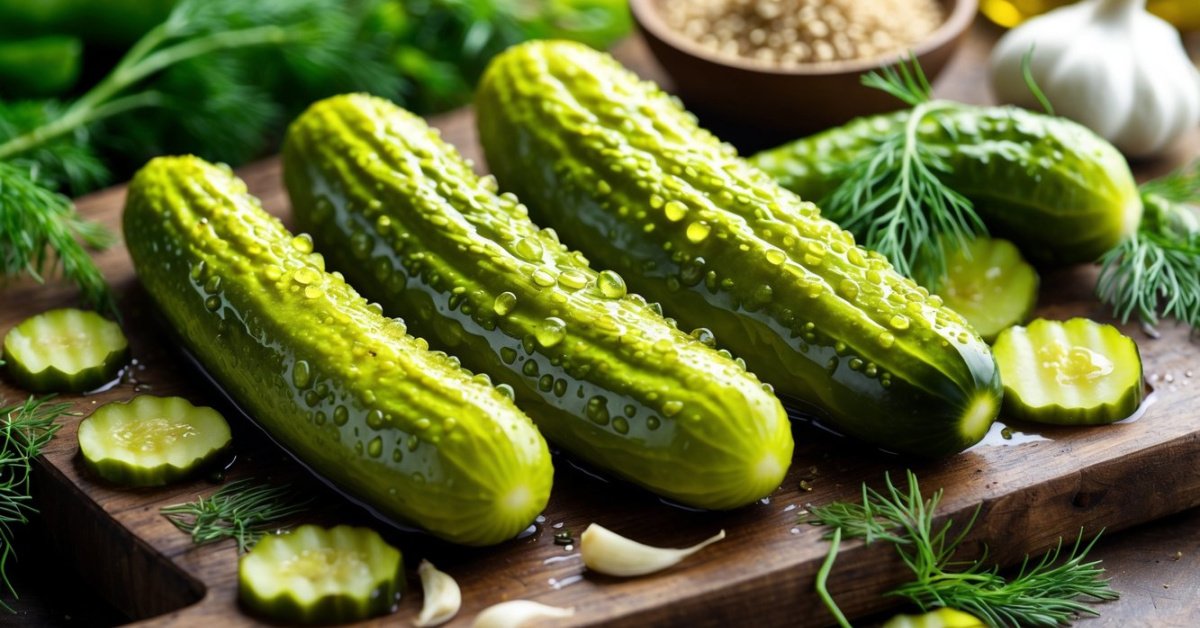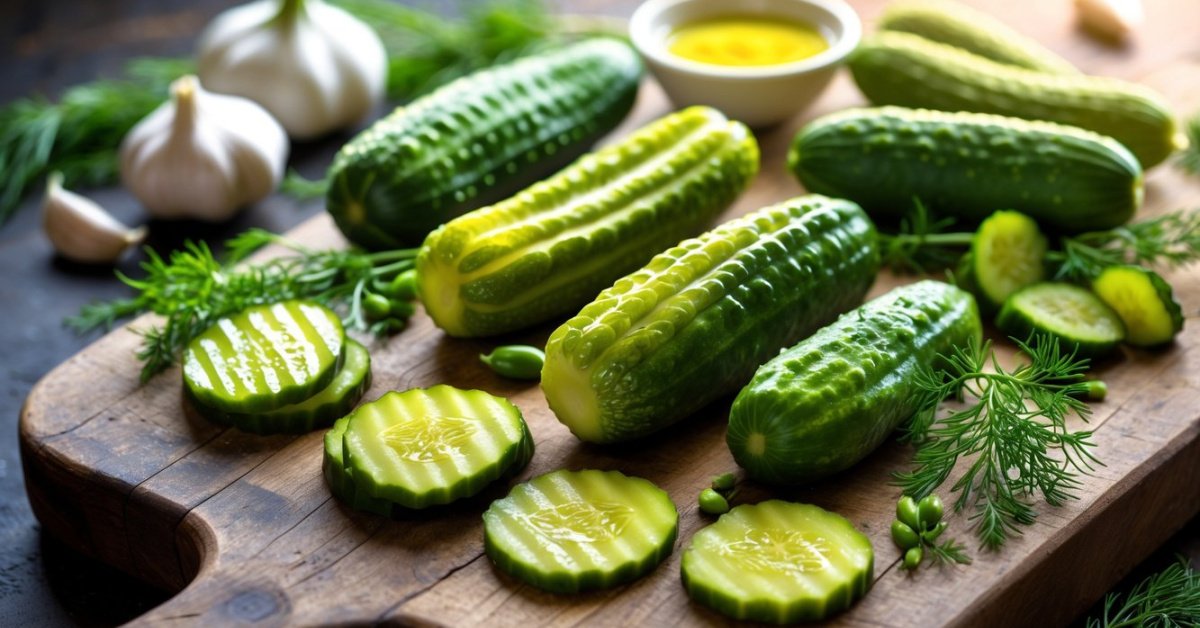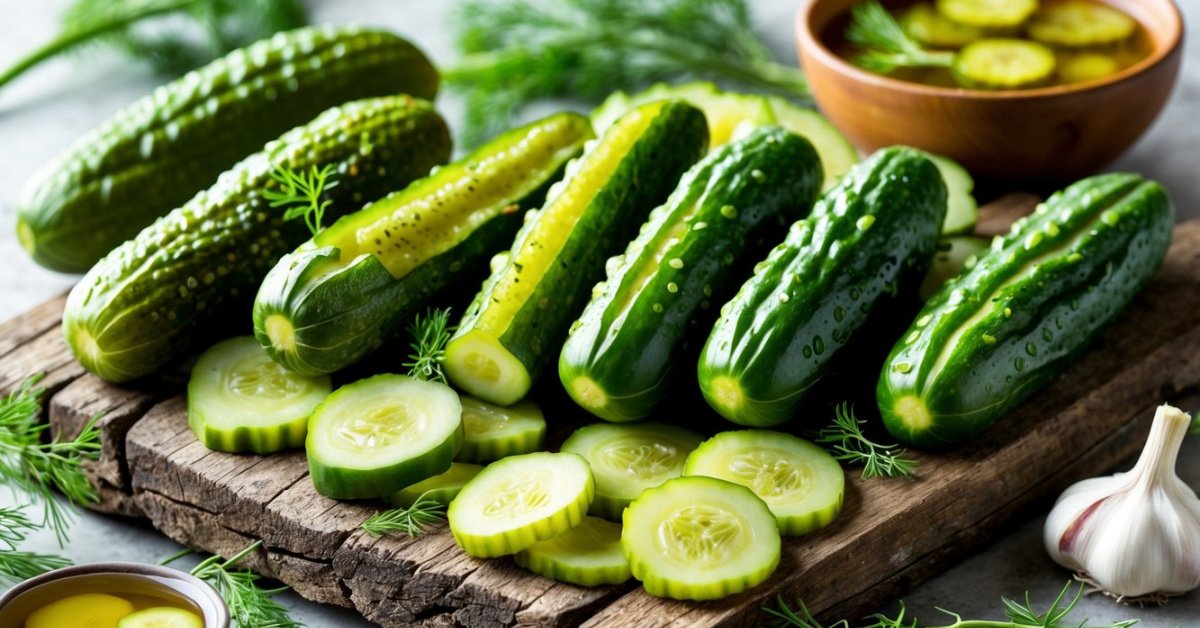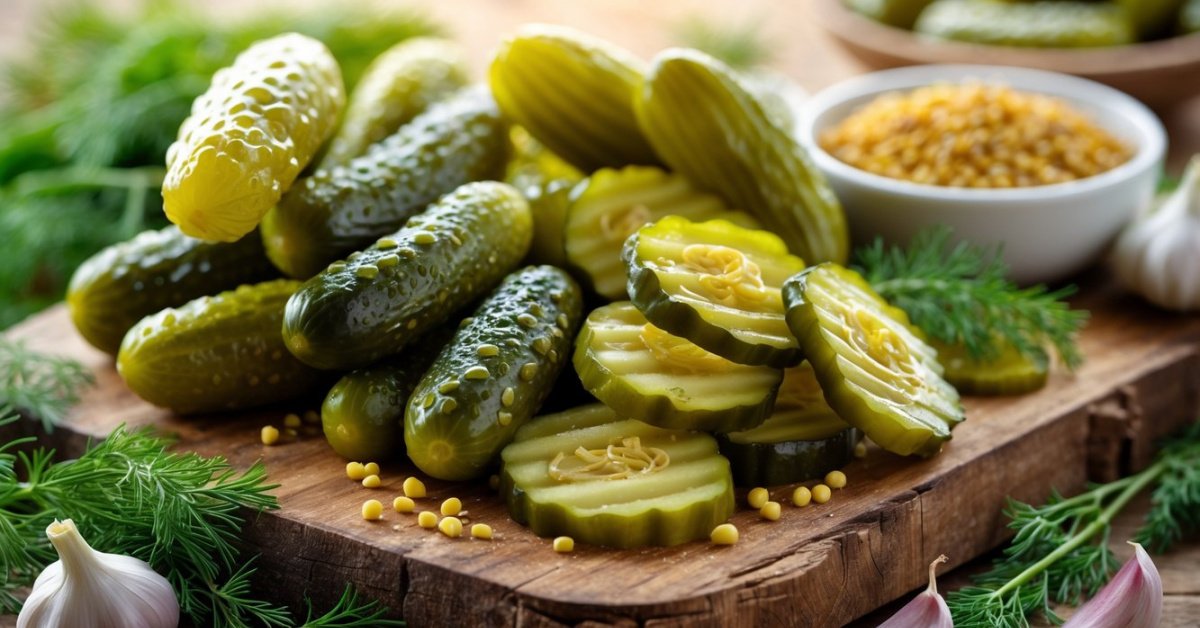
When I think about staying hydrated, water is usually the first thing that comes to mind. But lately, I’ve noticed more people reaching for pickles and their juice after a sweaty workout or a hot day outside. It made me wonder—what’s the deal with pickles and hydration?
Turns out, there’s more to these tangy snacks than just their bold flavor. Pickles pack a punch of electrolytes that can help replenish what I lose when I sweat. If you’re curious about why athletes and fitness fans are turning to pickles for hydration, you’re not alone. Let’s dive into what makes pickles a surprising but effective way to keep your body balanced.
Understanding Hydration and Electrolytes
Hydration depends on balanced intake of fluids and electrolytes. When I talk about pickling, I always mention the science behind those salty, tangy treats.
The Role of Electrolytes in the Body
Electrolytes maintain fluid balance, nerve function, and muscle contractions—three things I track closely after gardening or long pickling sessions. Sodium, potassium, and chloride top the list for their impact on hydration, according to the National Institutes of Health (NIH). When you sweat—during summer harvests, for example—you lose electrolytes quickly, which may lead to muscle cramps or fatigue if you don’t replace them. Pickles, especially those brined in saltwater, offer a direct source for these crucial minerals, supporting recovery and well-being just like commercial sports drinks.
Common Sources of Electrolytes
Electrolytes come from a variety of everyday foods and drinks:
- Pickles and Pickle Juice: Brined cucumbers contain sodium and small amounts of potassium—these are the same electrolytes lost while working outdoors.
- Vegetables: Tomatoes and spinach from my garden give a potassium boost that complements pickles in any meal.
- Dairy Products: Milk and yogurt supply both calcium and potassium, which work with the sodium in pickles to maintain hydration.
- Fruits: Bananas and oranges feature high levels of potassium and magnesium, both important for fluid equilibrium.
- Sports Drinks: Commercial beverages mimic the sodium and potassium profile of pickles but often include added sugars I avoid in home preservation.
I add these items to my diet daily to stay hydrated and support my passion for self-sustainable living.
Pickles as a Source of Electrolytes
Pickles provide a potent source of naturally occurring electrolytes, connecting my experiences in pickling and gardening with hydration benefits. These brined vegetables support fluid balance using minerals found right in the garden.
Nutritional Profile of Pickles
Pickles deliver essential nutrients with every crunchy bite. One medium dill pickle spear contains approximately 325 milligrams of sodium, 4 milligrams of potassium, and measurable magnesium (USDA FoodData Central). Homemade brined pickles accumulate these minerals from both the salt brine and the original cucumber or vegetable. Vinegar-pickled varieties retain some electrolyte content, but salt-brined pickles feature higher sodium and trace minerals. I’ve found that including fresh herbs like dill, garlic, or mustard seeds can add micronutrients such as calcium and manganese, further supporting the nutritional punch.
Types of Electrolytes Found in Pickles
Pickles supply three primary electrolytes: sodium, potassium, and chloride. Sodium dominates due to salt-based brining, which both flavors and preserves. When I taste homemade pickles, I notice potassium content varies depending on the vegetable—cucumbers, okra, green beans, and peppers all offer different levels. Chloride pairs with sodium as a key mineral preserved in the brine. Trace amounts of magnesium and calcium come from hard water, brine minerals, or added pickling spices. These electrolytes, absorbed by the vegetables during fermentation, help replace what’s lost through sweating, gardening, sports, or hot weather work.
Hydration Benefits of Pickles
Pickles provide a practical way to support hydration, especially after sweating from gardening or physical work. I value pickles not just for their taste but for their reliable electrolyte content straight from the brine.
How Pickles Help With Fluid Balance
Pickles support fluid balance by delivering sodium, potassium, and chloride. I find that eating a medium dill pickle spear after being in the garden helps restore the minerals I sweat out, thanks to its 325 mg sodium and 4 mg potassium (USDA, 2023). Sodium in brined pickles boosts water retention and maintains blood pressure, particularly on hot days. Chloride comes from the salt, playing a direct role in balancing fluids at the cellular level. Potassium, even in small amounts, supports muscle health during sustained activity.
Comparing Pickles to Other Hydration Methods
Pickles offer naturally sourced electrolytes without additives I often see in commercial sports drinks. When I compare a homemade dill pickle to a standard sports drink, the sodium content aligns closely (see table). Sports drinks contain added sugars and preservatives, which aren’t part of my self-sustaining lifestyle. Pickle juice excels in rapid replenishment if I need to replace electrolytes quickly after intense work or exercise. Water hydrates but doesn’t restore lost electrolytes unless paired with such mineral-rich foods.
| Hydration Method | Sodium (mg/serving) | Potassium (mg/serving) | Additives/Preservatives |
|---|---|---|---|
| Dill Pickle Spear | 325 | 4 | None (homemade) |
| Pickle Juice (2 oz) | 400-500 | 6-8 | None (homemade) |
| Sports Drink (8 oz) | 110-270 | 30-50 | Yes |
| Water (8 oz) | 0 | 0 | None |
Pickles stand out because I control the ingredients, and the electrolyte content directly replaces what my body needs after activity or on hot days.
Potential Drawbacks of Using Pickles for Hydration
Pickles offer reliable electrolyte support, but their high sodium levels invite caution. I always consider a few key points before recommending pickles for daily hydration.
Sodium Content and Health Considerations
Pickles contain substantial sodium, especially traditional brined varieties using kosher or canning salt. A single medium dill spear averages 325 mg sodium—about 14% of the recommended daily value (FDA, 2022). Consuming multiple spears or drinking pickle brine after sweating may push sodium intake beyond safe limits for some people, raising blood pressure and increasing risk for hypertension or heart disease. People managing salt-sensitive conditions, such as kidney disease or congestive heart failure, find excess sodium especially concerning. When I pickle, I always measure salt carefully, balancing preservation needs with healthful intake.
Who Should Avoid Pickles for Hydration
People with sodium restrictions—examples include those diagnosed with heart failure, chronic kidney disease, or high blood pressure—shouldn’t use pickles or pickle juice for hydration. Children, due to their lower sodium requirements, benefit more from less salty hydration options. Pregnant people and those on certain medications, such as diuretics, also risk potential side effects from excess dietary sodium. I recommend consulting healthcare providers before adding salty pickles to any hydration routine if these health factors apply.
Incorporating Pickles Into Your Hydration Routine
Adding pickles to my hydration strategy works best with some planning and care. Because each variety offers unique benefits, I always tailor my approach based on electrolyte content and activity level.
Best Practices and Serving Suggestions
Using pickles for hydration, I focus on moderation and timing. After gardening or a tough workout, I choose a dill pickle spear or two—each provides around 325 mg sodium and valuable potassium. Sipping 2-3 ounces of pickle brine helps me recover electrolytes lost through sweat but I avoid overdoing it to keep my sodium intake reasonable. For milder electrolyte needs, I use vinegar-based pickles, which contain less sodium. Pairing pickles with water balances flavor and hydration. I store homemade brined pickles in clean glass jars and refrigerate opened jars for freshness. Including sliced pickles in sandwiches, wraps, or salads boosts both taste and mineral content.
Alternatives and Complementary Foods
Exploring variety in my post-activity snacks, I rotate foods that also support electrolyte balance. Fermented vegetables—like sauerkraut, kimchi, or brined green beans—offer sodium and probiotics. Fresh produce from my garden, such as cucumbers, tomatoes, or bell peppers, provides fluids and potassium. For balance, I add foods rich in magnesium, like pumpkin seeds or leafy greens. Unsweetened coconut water, roasted seaweed, and mineral-rich bone broth complement pickles for varied recovery routines. I always combine these foods with plenty of water to optimize mineral absorption and hydration.
Conclusion
I’ve found that pickles can be a surprisingly effective and tasty way to replenish electrolytes after a sweaty day or a tough workout. Their unique combination of flavor and minerals makes them a refreshing addition to my hydration routine when used thoughtfully.
By listening to my body and paying attention to my sodium intake I can enjoy pickles without worry. When paired with plenty of water and a balanced diet they’re a simple treat that supports my active lifestyle and keeps me feeling my best.