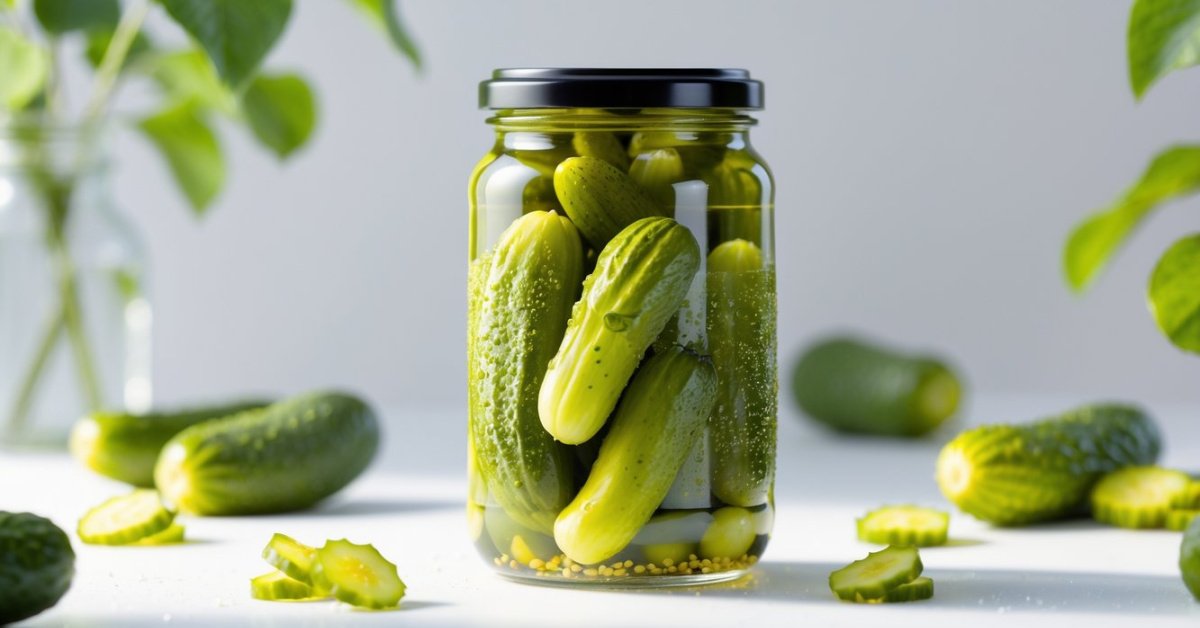
I’ve always found that a single bite of pickle can tell a whole story. In Asian cuisine pickles aren’t just a side dish—they’re a celebration of local flavors and traditions passed down through generations. With every tangy crunch I get a taste of history and culture.
From spicy kimchi to sweet-sour achar there’s a world of pickled delights waiting to be explored. I’m excited to take you on a flavorful journey through Asia’s pickling traditions where every jar holds a unique blend of spices memories and creativity. Let’s dive in and discover how these vibrant pickles have become an essential part of daily life and festive tables across the continent.
The Historical Roots of Pickling in Asia
Pickling in Asia stretches back more than 4,000 years, with early references found in ancient Mesopotamian clay tablets and Chinese records from the Zhou dynasty (1046–256 BCE). Fermentation methods like lactic acid pickling let people preserve surplus harvests when refrigeration didn’t exist. Asian civilizations prioritized pickling to extend the flavors and nutrition of vegetables like napa cabbage, radish, cucumber, and mustard greens. I see similar patterns in gardening today—preserving seasonally abundant crops like daikon in Japan or chili peppers in Thailand builds a reliable food supply for lean seasons.
Regional pickling styles developed according to climate and available ingredients. In colder north Asian regions, including Korea, families stored large earthenware jars called onggi underground to ferment kimchi during winter. In warmer south Asian areas like India, the hot sun accelerated pickling with salt, oil, and spice blends; mango and lime pickles feature prominently in local diets. These traditions connect with my own passion for using distinct microclimates in the garden to guide what and when I pickle.
Pickling practices spread through ancient trade routes, including the Silk Road and maritime networks. Fermented soybeans traveled from China to Southeast Asia, evolving into unique pickled bean pastes. Salt preservation and vinegar-based pickling reached new heights in Vietnam and Indonesia, with recipes adapting to local herbs and produce. Each preserved batch from these historical crossroads offers a direct link to past generations who harnessed the transformative power of pickling for sustenance, flavor, and celebration.
Regional Varieties of Asian Pickles
Regional varieties of Asian pickles showcase deep connections between culture, agriculture, and climate. I’ve found that local vegetables and preservation techniques bring endless flavor profiles and histories to every region.
East Asian Pickle Traditions
East Asian pickle traditions blend time-honored recipes with garden-fresh produce. I regularly use napa cabbage, daikon radish, and cucumber—each found in kimchi, tsukemono, and pao cai. Fermentation dominates methods in Korea and China, as lactic acid bacteria transform salted vegetables into crisp, tangy pickles. In Japan, I love making nukazuke and umeboshi; these use rice bran and pickled plums with sea salt for preservation and subtle sourness. I see miso, soy sauce, and vinegar-based processes—like shibazuke or asazuke—add even more depth to everyday meals.
Southeast Asian Pickling Techniques
Southeast Asian pickling techniques center on layering sweet, sour, spicy, and salty flavors. I often pickle small cucumbers, unripe papaya, chilies, and shallots for dishes like Vietnamese đồ chua and Thai som tum. Quick-pickling with rice vinegar, palm sugar, and fish sauce defines this region, creating crunchy, aromatic accompaniments. In Indonesia, I craft acar by mixing turmeric, ginger, and carrots with vinegar, which brings bright color and a mild tang. These pickles stay central to street food, stews, and rice plates.
South Asian Pickle Culture
South Asian pickle culture flourishes with bold spices and sun-drenched fruits and vegetables. I pick mangoes, limes, green chilies, and garlic straight from my garden for use in achar or achaar. South Indian recipes often rely on mustard oil, fenugreek, and curry leaves, while North Indian varieties feature pungent spices like asafetida and nigella. Fermentation and sun-curing processes can last days or weeks, developing intense heat and savor. My favorite pickles from this region pack masala-rich flavor and complement every meal, from dal to biryani.
Ingredients and Preparation Methods
Each Asian pickle starts with a selection of vibrant produce and a careful assembly of spices, drawing deeply from agricultural landscapes and personal gardening traditions. My passion for self-sustainability means I choose every vegetable, fruit, and spice for both flavor and preservation potential.
Common Vegetables, Fruits, and Spices
- Vegetables: Napa cabbage and daikon radish define classic Korean kimchi, while Japanese tsukemono highlights cucumbers, eggplants, and carrots. Indian and Pakistani pickles use green mangoes, garlic, and lemon for sharp, sunny flavors.
- Fruits: Green mango dominates South Asian jarred wonders, joined by limes and unripe papayas in Myanmar’s laphet thoke. Some Filipino atchara relies on shredded green papaya sweetened with raisins and bell pepper.
- Spices: Mustard seeds, turmeric, fenugreek, and chili powder star in South Asian spice mixes, while Sichuan peppercorn brings numbing heat to Chinese paocai. Japanese pickling favors rice bran, salt, and sometimes kombu.
Fermentation vs. Quick Pickling
Fermentation pickling in Asia creates deep, complex flavors using controlled microbial activity. I submerge produce under salty brine, allowing lactic acid bacteria to transform vegetables like cabbage and radish in kimchi or Chinese suancai, often over weeks.
Quick pickling relies on vinegar or acid, plus salt and sugar, to produce crisp, tangy pickles in hours to days. I make Vietnamese do chua and Thai som pak using this method, producing milder, immediately edible accompaniments that brighten rice and noodle dishes.
Techniques vary by climate and ingredient, but both methods anchor pickling in Asian cuisine, supporting diverse diets and preserving harvests through seasons.
Pickles in Everyday Asian Meals
Pickles appear at almost every Asian meal, offering bold flavors and vibrant textures that accent rice, noodles, and curries. I see these pickled creations as both staple and showpiece, blending freshness from my garden with well-preserved seasonal harvests.
The Role of Pickles in Traditional Dishes
Pickles play an essential role in rounding out traditional Asian meals, from Korean banchan to Indian thalis. I find kimchi, danmuji, and tsukemono on nearly every Korean and Japanese table—crunchy and sour highlights that balance steamed rice and grilled meats. In India, mango and lime pickles transform simple dal and rice into layered, aromatic experiences. Southeast Asian meals use pickled mustard greens and achar for brightness and crunch, countering the richness of grilled or fried foods. Examples like Vietnamese cơm tấm and Thai khao man gai show pickles as both garnish and palate cleanser, supporting the central flavors of each dish.
Pickles as a Symbol of Hospitality and Heritage
Pickles signal both hospitality and heritage across Asia. When I serve homemade pickles to guests, I’m sharing my craft and preserving generations of culinary memory. In many regions, families prepare large batches before festivals or family gatherings, using locally grown produce and passed-down spice blends. Offering pickles at the table honors both tradition and the effort invested in home-grown, home-preserved food. I notice that even a small dish of house-made kimchi, tsukemono, or achar instantly welcomes visitors, showing respect for their presence and sharing a taste of home. Each jar tells a unique story, shaped by family practice, seasonal bounty, and local culture.
Modern Innovations and Global Influence
Asian pickles now appear in kitchens and markets far from their original regions. I see new generations blending old flavors and novel ideas through creative pickling and cross-cultural inspiration.
Contemporary Takes on Classic Pickles
Innovators update traditional Asian pickles using modern techniques and unconventional ingredients. In South Korea, chefs craft kimchi with kale, beet, or even citrus. Japanese tsukemono now includes avocado and asparagus for bolder, unexpected tastes. I often use organic heirloom vegetables from my garden, pairing them with classic brines or experimenting with spice blends like yuzu kosho or smoked chili. Science-forward cooks use temperature control and controlled fermentation to highlight subtle notes, while home-based picklers speed up the process with vacuum sealing and instant brining.
The Rising Popularity of Asian Pickles Worldwide
Demand for Asian pickles grows rapidly in the US, Europe, and Australia. Supermarkets stock jars of Indian achar, Thai som tam pickles, and Vietnamese do chua. Restaurants worldwide serve dishes with Japanese cucumber pickles or Korean kimchi as standard accompaniments and key ingredients—kimchi appears in tacos, burgers, and pasta dishes. Cooking classes and social media trends encourage home cooks to try their hands at lacto-fermentation and spice layering. As interest in gardening and sustainable living surges, I notice more people growing their own vegetables and preserving seasonal produce using Asian pickling methods.
| Modern Innovation | Example Contexts | Applied Regions |
|---|---|---|
| Unconventional vegetables | Kale kimchi, asparagus tsukemono | South Korea, Japan |
| Advanced fermentation | Controlled temp, high-acid brines | Gourmet kitchens, labs |
| Cross-cuisine adoption | Kimchi tacos, achar sandwiches | US, UK, Australia |
| DIY popularity | Home fermenting kits, garden pickling | Global, online communities |
I watch Asian pickling transform from local tradition to global flavor, driven by passionate home picklers, inventive chefs, and sustainability advocates everywhere.
Conclusion
Exploring pickles in Asian cuisine always leaves me inspired by the creativity and care that go into every jar. Each bite feels like a small adventure, connecting me to distant places and generations past.
Whether you’re trying a fiery kimchi or a tangy mango achar, there’s so much joy in discovering new flavors. I hope this journey encourages you to taste, experiment, and maybe even make your own pickles at home.
The world of Asian pickles is vast and ever-evolving, and I can’t wait to see where it takes us next.