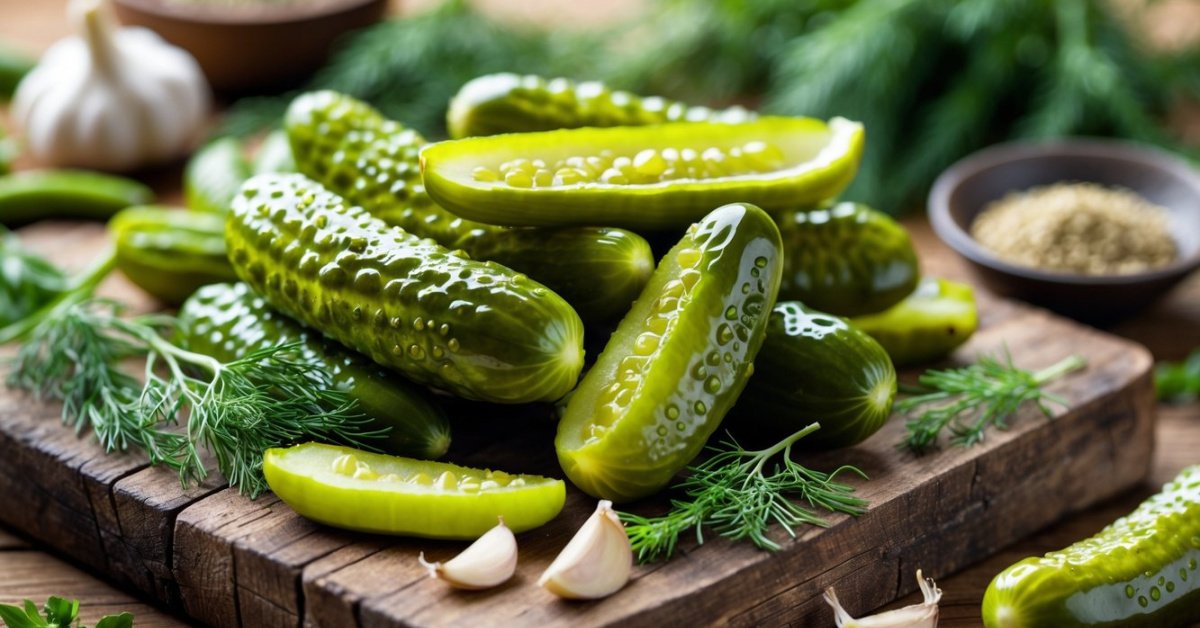
Whenever I’m looking for a snack that won’t derail my healthy eating goals I always find myself reaching for pickles. They’re tangy crunchy and somehow satisfy those mid-afternoon cravings without piling on the calories. There’s just something about that briny bite that keeps me coming back for more.
Pickles make snacking fun and guilt-free. I love that I can munch on a few without worrying about my calorie count for the day. Whether I’m enjoying them straight from the jar or adding them to a quick snack plate pickles are my go-to choice for keeping things light and tasty.
What Makes Pickles a Popular Snack
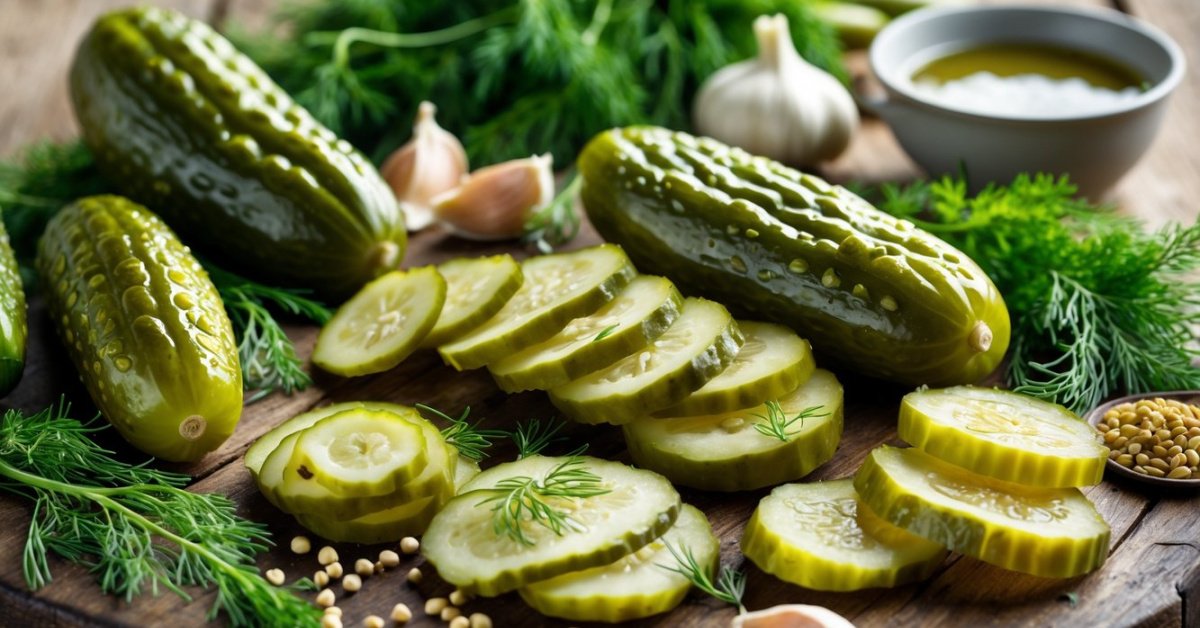
Taste profiles set pickles apart—salty, sour, and sometimes spicy notes appeal to a wide group. Different varieties like dill spears, bread-and-butter slices, and spicy chips fit many preferences.
Texture delivers what few other low-calorie snacks match. Crunch remains consistent, even after months in brine, making pickles satisfying for those who crave crispy foods.
Accessibility attracts snackers. I rarely find another snack you can buy ready-to-eat in jars or make easily at home from fresh produce. Most grocery stores carry several types and sizes, and homemade batches offer endless seasoning choices.
Shelf stability means pickles stay fresh for months unopened, perfect for stocking pantries and reducing waste—something I value from a sustainability view. Properly fermented or canned pickles keep well without refrigeration until opened.
Nutritional content appeals to health-conscious snackers. Calorie counts for dill pickles stay as low as 4-6 kcal per spear according to USDA data. Sodium brings flavor; options labeled “low-sodium” exist for those monitoring intake.
Versatility boosts popularity. I enjoy pickles alone, as palate cleansers between bites, on charcuterie boards, or chopped into salads—blending seamlessly into snacks and meals for added zest.
Social connection strengthens the appeal. Sharing a homemade jar with friends or exchanging recipes creates community among fellow pickling enthusiasts.
Nutritional Profile of Pickles
Pickles offer a unique nutritional profile with a crisp bite and tangy flavor. I focus on both calories and key nutrients to help others enjoy snacking on pickles while meeting health goals.
Calorie Content and Macros
Calories in plain cucumber pickles stay remarkably low, rarely topping 15 kcal per medium spear (35g). Fats and proteins in classic dill pickles sit at near-negligible levels, with fat less than 0.2g and protein under 0.6g per serving. Carbohydrates in most pickled cucumbers measure just 2-3g per spear, making them accessible for those watching macros. Sugar levels in sweet pickles increase sharply—bread-and-butter pickles offer about 6-8g sugar per spear—so I prefer homemade brines to control sweetness and carb content.
Vitamins and Minerals in Pickles
Pickles deliver modest micronutrients, especially when I use garden-fresh cucumbers and herbs. Sodium content rises much higher, however; 1 spear of commercial dill pickles contains 250-350mg sodium, as USDA data shows. I look for potassium (23-35mg per spear), calcium (6-12mg), and small doses of vitamin K, which can help support bone health. Trace amounts of vitamin A and vitamin C remain after fermentation, but lacto-fermented varieties may offer added probiotics for gut health. By pickling my own cucumbers with homegrown dill and garlic, I boost freshness, reduce excess sodium, and preserve more nutrients.
Health Benefits of Choosing Pickles as a Snack
Pickles fit into a low-calorie lifestyle while offering more than flavor and crunch. As someone who’s spent years crafting pickles from my own garden harvests, I see how this snack brings measurable health perks to the table.
Support for Weight Management
Pickles help manage weight because they’re low in calories yet give a sense of fullness. One medium dill spear contains just 15 kcal, based on data from the USDA FoodData Central. I often add pickles to snack plates to boost volume without extra energy. High water content and fiber from cucumber skins contribute to satiety; garden cucumbers let me maximize these benefits through fresh harvest timing. When I use my homemade recipes with minimal sugar, I reduce calorie density compared to many store-bought options. This approach keeps snacks satisfying and light, especially for anyone monitoring daily intake.
Probiotic Potential and Gut Health
Pickles made with lacto-fermentation introduce probiotics, supporting digestive health. I typically use starter cultures or let naturally occurring lactobacillus bacteria transform vegetables in brine. According to a 2018 review in Food Microbiology, lacto-fermented pickles contain active cultures that may boost gut microbiota diversity. When I ferment small-batch pickles from my own cucumbers, I can taste the tang of live bacteria indicating a thriving colony. These probiotics have connections to smoother digestion, improved nutrient absorption, and even potential immune benefits, as supported by research published by the ISAPP (International Scientific Association for Probiotics and Prebiotics). For the fullest benefit, I recommend refrigerated, unpasteurized varieties, since shelf-stable commercial pickles often lack live cultures due to heat processing.
Potential Drawbacks to Consider
Even though pickles offer a crisp, low-calorie snacking option, I always keep a few considerations in mind for anyone adding them to their daily routine.
Sodium Content and Health Implications
Sodium levels in pickles can run high, especially in store-bought jars and many traditional recipes. I often see sodium content reaching 300-800mg per medium spear in commercial brands, based on the USDA FoodData Central database. High sodium intake has links to elevated blood pressure and higher risk of heart disease (American Heart Association). Anyone following a low-sodium diet or monitoring cardiovascular health benefits from paying close attention to labels or preparing pickles from scratch with reduced salt. When I pickle my own cucumbers, I use pickling salt sparingly and experiment with spices and herbs for flavor balance, lowering overall sodium without compromising taste.
Flavor Preferences and Acquired Taste
Pickle flavors tend toward strong and tangy, which can take getting used to for some palates. I’ve found that sour, salty, or spicy profiles—common in dill, bread-and-butter, and hot pickles—don’t appeal to every snack-seeker or kid, especially if someone’s new to fermented or brined foods. Personal tastes play a major role; for instance, friends who enjoy fresh cucumbers sometimes find fermented pickles overwhelming. When I share homemade batches, I recommend trying small amounts first and experimenting with different recipes—adding honey, garlic, or fresh herbs—to discover variants that fit individual preferences.
Creative Ways to Enjoy Pickles as a Snack
Pickles bring endless versatility to any snack lineup. I lean on both classic and inventive approaches to make pickles the highlight of my healthy snack routine.
Pairing Pickles with Other Low-Calorie Foods
Combining pickles with other low-calorie foods multiplies flavor while keeping snacks light. I often create crisp plates with fresh veggie sticks—think carrots, celery, or bell peppers—alongside sliced dill pickles. Bite-sized cheese cubes made from part-skim mozzarella complement pickles’ tang with creamy texture. For protein, I serve pickles with lean turkey or chicken breast roll-ups; these packs curb hunger with fewer than 120 calories per serving. Rice cakes or whole grain crackers topped with pickle rounds and a dab of Greek yogurt provide an easy, filling bite. When prepping for gatherings, I arrange snack platters pairing pickles with olives and cherry tomatoes to keep things colorful and refreshing.
DIY Pickle Recipes for Healthy Snacking
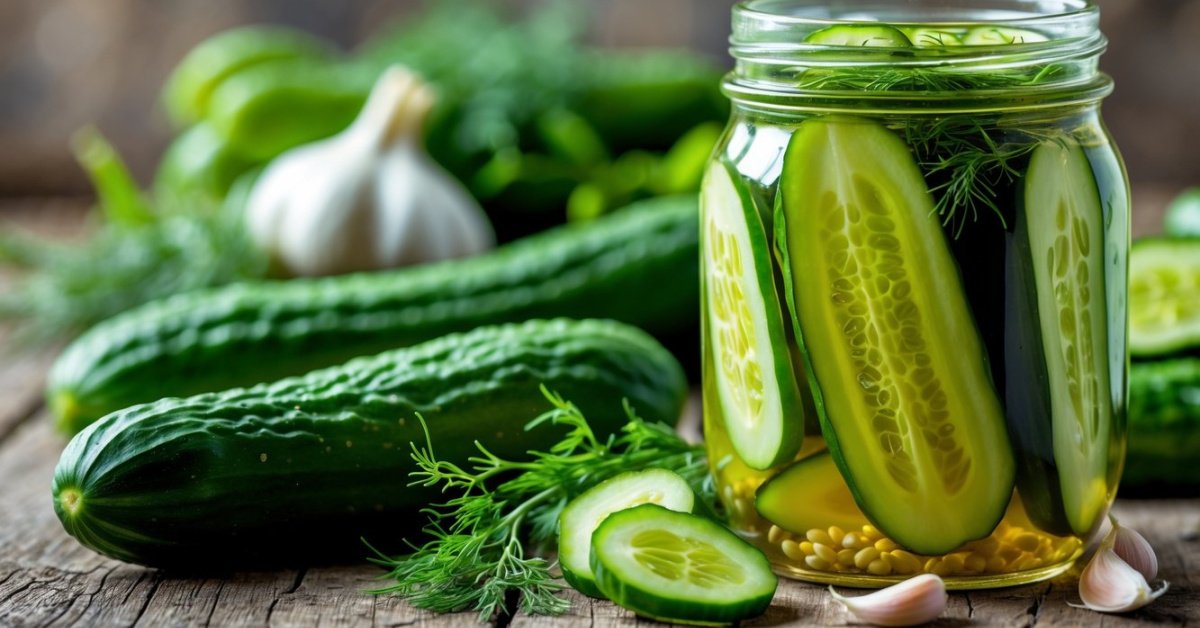
Experimenting with DIY pickle recipes unlocks greater flavor and health control. My go-to quick pickles involve slicing cucumbers and submerging them in a brine with vinegar, filtered water, garlic, dill, mustard seeds, and a pinch of kosher salt—ready to eat after chilling for six hours. For crunch with less sodium, I swap table salt for half the amount in sea salt or try salt-free herb brines. Mini cucumber halves with fresh ginger, chili, and rice vinegar add heat and complexity with just 20 kcal per serving. In season, I batch-pickle green beans, cauliflower florets, and thin zucchini coins—each takes color and spice well for variety in my snacking. For gut-friendly options, I ferment pickles with garlic and dill in a saltwater solution, letting them sit at room temperature for 5–7 days to allow natural probiotics to develop. I always refrigerate these after opening to preserve their live cultures and snappy bite.
Every fresh batch and creative pairing makes snacking with pickles anything but routine, all while supporting a healthy, sustainable lifestyle.
Conclusion
Pickles have become one of my favorite ways to keep snacking simple and satisfying without loading up on calories. I love how they add a burst of flavor and crunch to my day whether I’m reaching for a spear straight from the fridge or pairing them with other healthy bites.
Exploring homemade recipes has made pickles even more rewarding for me. There’s something special about customizing flavors and sharing jars with friends or family. If you’re looking for a snack that’s both fun and light pickles might just be the perfect fit for your routine.