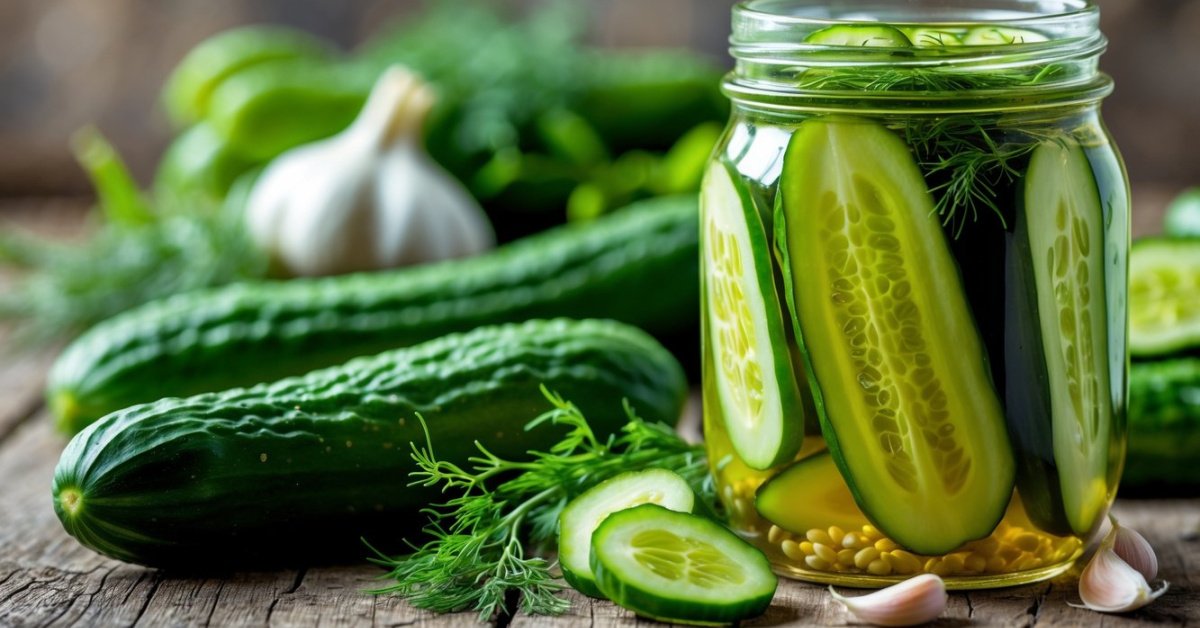
I’ve heard plenty of wild remedies for muscle cramps over the years but pickle juice always stands out. It’s not just athletes who swear by it—friends and family have all chimed in with stories of how a quick sip brought fast relief. It’s a little strange to think the leftover liquid from a jar of pickles might be the answer when my muscles suddenly seize up.
Curiosity got the best of me so I started digging into why so many people trust this salty solution. Is there real science behind the pickle juice craze or is it just another old wives’ tale? I want to know if reaching for that tangy green liquid is actually worth it the next time a cramp strikes.
What Are Muscle Cramps?
Muscle cramps are sudden, involuntary contractions of one or more muscles. I often hear about these from fellow gardeners after a long day of crouching among cucumbers or pulling weeds. Common examples include leg cramps during nighttime rest, foot cramps in athletes, and hand cramps while canning jars. These spasms cause sharp pain and muscle tightness that can last a few seconds or up to 15 minutes in most cases.
Muscle cramps typically affect skeletal muscles—those voluntary muscles that move limbs and joints. I see them most often in my calves after hauling buckets or harvesting pickles in the heat. The most frequently reported causes include dehydration, electrolyte imbalance (low sodium, potassium, or magnesium), or muscle fatigue from repetitive motions. Other contributors sometimes involve pregnancy, medications like diuretics, or medical conditions such as nerve compression according to Mayo Clinic and the National Institutes of Health.
Cramp intensity may vary. Mild cramps cause brief discomfort, while severe cramps interrupt gardening, walking, or sleeping. In my experience, quick relief matters most during a busy harvest season. Many community members swear by various remedies, including stretching, hydration, and sometimes that classic jar of homemade pickle juice.
The Science Behind Pickle Juice
Pickle juice’s reputation for cramp relief stirs interest among anyone who spends time in the garden or the kitchen. I see the claims about muscle cramps everywhere, so I look at what’s really inside pickle brine and how it interacts with the body.
Key Ingredients in Pickle Juice
Pickle juice contains water, vinegar, salt, and trace nutrients from cucumbers and seasonings. Typical brines (per 8 fl oz) provide:
| Ingredient | Average Content | Purpose in Pickling |
|---|---|---|
| Water | 230-240 mL | Hydrates vegetables |
| Vinegar | 1-2 tablespoons | Preserves, acidifies |
| Sodium (Salt) | 800-1700 mg | Preserves, flavors |
| Potassium | 20-40 mg | Supports muscle function |
| Magnesium | <10 mg | Trace, varies by recipe |
| Dill, Garlic | Varies | Flavors, antioxidants |
High sodium gives the juice its strong taste; this level matches many store-bought dill pickles. Vinegar, usually acetic acid, shapes the pH, which matters for both safety and flavor.
How Pickle Juice May Affect the Body
Pickle juice enters the digestive system rapidly, carrying sodium and acetic acid. Studies (Miller et al., 2010, “Medicine & Science in Sports & Exercise”) found that pickle juice shortens electrically-induced cramps in dehydrated males to about 85 seconds—45% faster than water. Researchers believe high sodium might trigger reflexes in the mouth and throat, signaling the nervous system to relax the cramping muscle instead of raising electrolytes in the blood.
I notice that the acidity from vinegar encourages quick nerve feedback—sometimes easing cramps before the juice has time to alter blood chemistry. No solid proof ties pickle juice to preventing cramps entirely, but rapid-acting relief suggests a sensory, not systemic, effect. I see the best results when cramps follow heavy sweating or long gardening sessions, especially with salty pickles I’ve made myself.
Examining the Research: Does Pickle Juice Work for Cramps?
I see plenty of claims about pickle juice stopping muscle cramps, but my curiosity always leads me to the research. Scientific investigations have explored how this classic brine performs against cramps, using both volunteers and laboratory setups.
Clinical Studies and Findings
Researchers have tested pickle juice in several controlled settings. In a 2010 study published in Medicine & Science in Sports & Exercise, scientists induced cramps in dehydrated subjects, then compared how long it took for the cramps to end after drinking pickle juice, water, or nothing. Subjects who took pickle juice saw cramp relief in about 85 seconds, which is 45% faster than those who drank water. This effect didn’t correlate with changes in blood sodium or hydration, suggesting something other than electrolytes was responsible.
Other studies—like those documented in the Journal of Athletic Training—support these results, with rapid cramp relief reported in athletes after consuming 1-3 oz of pickle juice. However, none of the research found evidence that pickle juice prevents cramps before they start. Trials on different brands and homemade batches show similar quick relief, especially in those who’ve been working or exercising hard outdoors.
| Study Year | Intervention | Cramp Relief Time | Compared To |
|---|---|---|---|
| 2010 | Pickle juice | ~85 seconds | Water (~134 seconds) |
| 2013 | Pickle juice | Faster than water | Placebo, water |
Potential Mechanisms of Action
Scientists examining the mechanics of pickle juice point to its sour, salty profile. Researchers believe the acidity, primarily from vinegar, triggers a mouth-to-brain reflex arc. Ingesting acetic acid (vinegar), even in small sips, may stimulate nerves in the throat, sending a rapid signal to the nervous system and coaxing the misfiring muscle to relax. I see this as the “oral-sensory” theory, which fits the speedy relief I’ve observed.
High sodium remains another candidate, since heavy sweating during gardening or canning can deplete this mineral. Still, most data show that sodium levels in blood don’t change quickly enough to explain the fast relief after taking pickle juice. So while the brine works faster than other liquids, its benefit probably centers on the immediate nerve response to acidic, salty flavors, rather than on replacing electrolytes.
In my experience, whether you use store-bought or homemade pickle juice, the quick mouth-puckering taste might be the trigger that sends relief for those sudden cramps after a productive day in the garden.
Benefits and Risks of Using Pickle Juice
Pickle juice enters the spotlight when folks chase solutions for muscle cramps. I use pickle brine in my kitchen and garden, so I often hear about its unexpected health effects.
Possible Advantages for Athletes
Pickle juice provides quick sodium and acetic acid, which means athletes often reach for it during or after intense sweating. Endurance runners, cyclists, and gardeners like me experience faster cramp relief with 1-3 oz doses, according to research published in Medicine & Science in Sports & Exercise. Sodium supports faster rehydration, and acetic acid encourages nerve reflexes that relax cramped muscles. The familiar sour-salty bite tends to work quicker than plain water or sports drinks, especially after extended work under the sun. For me, using leftover brine offers both relief and kitchen sustainability.
Considerations and Side Effects
Pickle juice delivers high sodium—roughly 870 mg per 3.5 oz—so it’s not ideal for people managing high blood pressure or salt-sensitive conditions. Some folks get stomach upset or heartburn with vinegar intake, and not all pickling recipes maintain consistent salt or acidity concentrations. I always remind pickle-lovers and cramp-sufferers to check for added spices and preservatives if they’re reaching for store-bought juice, since ingredients like garlic or alum in the brine sometimes trigger allergic reactions. Children under 1 year shouldn’t consume brine due to salt content. Regularly drinking large amounts can strain kidneys if someone’s not already used to salty home-preserved foods, as detailed in Mayo Clinic dietary guidelines. When using pickle brine for health, checking both personal tolerance and the brine’s source remains key.
Alternative Remedies for Muscle Cramps
Hydration remedies
I always prioritize hydration for muscle cramp relief, especially after harvesting in the summer heat. Drinking water, unsweetened herbal tea, or homemade electrolyte drinks with a pinch of salt and a splash of citrus helps replace fluids and balance minerals.
Electrolyte sources
I often reach for foods rich in potassium, calcium, and magnesium during cramp season. Bananas, leafy greens like kale, and homemade yogurt from my garden-fed goats provide quick boosts. Nuts and seeds—especially pumpkin and sunflower seeds—also offer magnesium support.
Stretching and massage
Gentle stretching eases muscle tightness quickly. I stretch calves, feet, and hands before, during, and after long garden sessions. Massaging cramped muscles with homemade calendula oil, infused from my summer blooms, helps relax stubborn spasms.
Warm and cold treatments
Applying a warm towel or heating pad directly to the cramping area encourages blood flow and muscle relaxation. If swelling follows a cramp, I switch to a cold pack using frozen garden peas wrapped in a cloth.
Herbal remedies
I sometimes brew herbal teas with anti-cramp properties from my own plot. Chamomile, valerian root, and ginger teas have muscle-soothing effects, according to the National Institutes of Health. These teas can be sipped throughout the day or used as relaxing cool compresses.
Dietary adjustments
I notice fewer cramps when I maintain a balanced, produce-heavy diet and avoid excess caffeine and processed foods. I often include fermented foods, like sauerkraut and kimchi from my own kitchen, since research links gut health and muscle performance.
These practical, garden-supported remedies work alongside my trusted jar of pickle juice. Each method connects back to self-sustainability, using simple ingredients and tools I produce myself.
Conclusion
After digging into the science and stories behind pickle juice for muscle cramps I feel more confident reaching for that jar when a stubborn cramp strikes. The evidence points to quick relief for many people especially after a hot day in the garden or a long workout.
I’ll keep listening to my body and use pickle juice as one of several tools in my cramp-fighting kit. As always it’s about finding what works best for you and enjoying the journey to a healthier happier self.