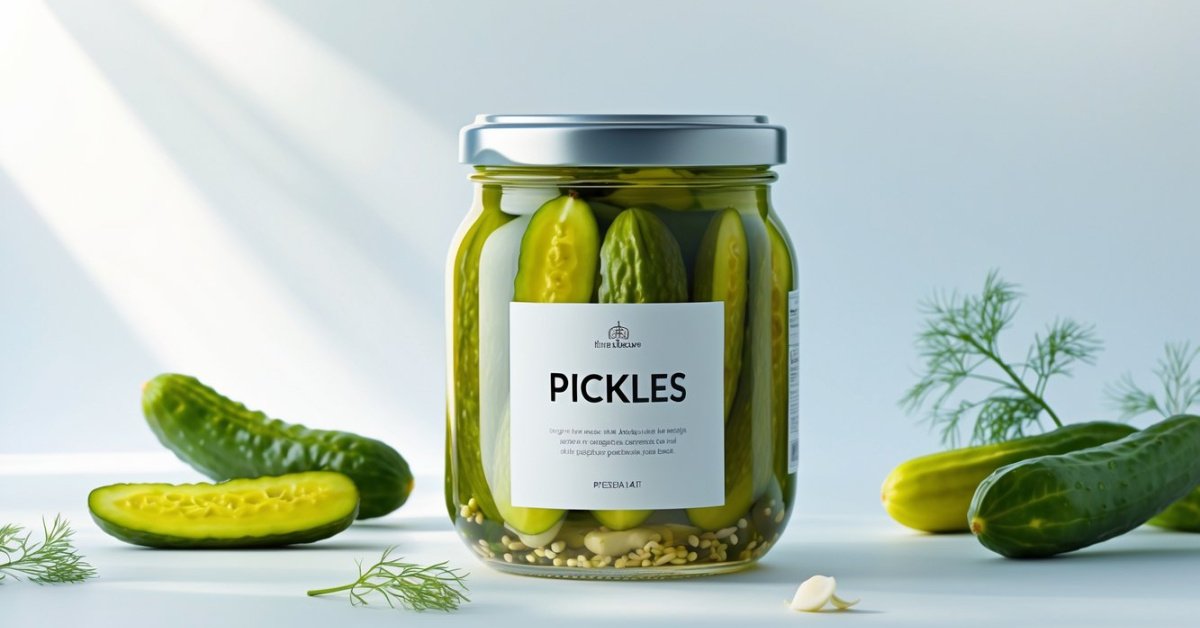
Whenever I crack open a jar of pickles or add a splash of kimchi to my plate I’m not just thinking about the tangy crunch. I’m also curious about what’s happening behind the scenes with all those nutrients packed inside. Pickled vegetables have been a staple in my kitchen for years and I’ve always wondered if their antioxidant powers live up to the hype.
It turns out there’s a lot more to these briny treats than meets the eye. Antioxidants are known for fighting off harmful molecules in our bodies and pickled veggies might be an unexpected source. I love discovering how simple foods can offer big health benefits—and I’m excited to dive into what makes pickled vegetables so special.
Understanding Antioxidant Properties
Antioxidant properties describe how certain compounds neutralize free radicals—unstable molecules that can damage cells and speed up oxidation in the body. Free radicals enter the system through processed foods, environmental pollutants, and even regular bodily functions. When I pickle fresh vegetables from my garden, I retain many antioxidants, like vitamin C, polyphenols, and carotenoids.
Antioxidants act by breaking oxidative chain reactions. They donate electrons to free radicals without becoming destabilized themselves. Pickled vegetables contain antioxidants such as flavonoids in onions, vitamin E in peppers, and beta-carotene in carrots. Cooler fermentation and shorter vinegar processing help preserve these properties.
Cooking often lowers antioxidant content by 30-60% in vegetables like broccoli and spinach. Pickling, especially through fermentation, usually maintains higher antioxidant availability, according to the Journal of Food Science (2018). Acidic environments created during pickling increase the bioaccessibility of some antioxidants by breaking down tough plant cell walls.
Consistent research links a diet rich in antioxidants to decreased risk of chronic illnesses, including heart disease and certain cancers. Fresh pickled vegetables regularly appear in my kitchen as delicious, functional sources of these nutrients.
The Science Behind Pickling
Pickling works as a preservation method by creating an acidic environment that discourages spoilage. I use this process to lock in nutrients and achieve that signature tangy flavor countless people enjoy.
How Pickling Affects Nutrients
Pickling affects fresh vegetables’ nutrients by reducing water-soluble vitamins like vitamin C if exposed to heat, though cold brine methods preserve more nutrients. Antioxidants such as polyphenols and carotenoids stay stable in acidic conditions, especially when I pickle crisp garden produce immediately after harvesting. Acidity from vinegar or lacto-fermentation slows enzyme activity and oxidation, helping retain those beneficial compounds that fight oxidative stress.
Common Vegetables Used in Pickling
Cucumbers, carrots, and beets often fill my pickling jars thanks to their firm texture and high antioxidant content. Cabbage appears in sauerkraut and kimchi, boosting vitamin C and polyphenol levels. Garlic, red onions, and chilies offer plenty of allicin, anthocyanins, and capsaicinoids, giving both flavor and extra health-promoting power to any pickle mix. I focus on freshly picked, organically grown vegetables for maximum nutrient preservation.
Antioxidant Content in Pickled Vegetables
Antioxidant compounds remain plentiful in pickled vegetables when I use careful brining and fresh harvests. These potent molecules, present in brined cabbage, carrots, garlic, and beetroot, play a key role in safeguarding cells.
Comparison With Fresh and Cooked Varieties
Fresh vegetables offer the highest antioxidant values, especially polyphenols and vitamin C, when compared gram for gram. Pickled vegetables retain much of this antioxidant content if I use cold-brine methods, while heat-based cooking—like boiling or steaming—can lower levels by 30–60% depending on the vegetable type (USDA National Nutrient Database). For example:
| Vegetable | Fresh Antioxidant Content (mg/100g) | Pickled Antioxidant Content (mg/100g) | Cooked Antioxidant Content (mg/100g) |
|---|---|---|---|
| Red Cabbage | 225 (Vitamin C) | 180 (Vitamin C) | 112 (Vitamin C) |
| Beets | 4.9 (Polyphenols) | 4.1 (Polyphenols) | 2.6 (Polyphenols) |
Brined veggies maintain higher antioxidant levels than cooked ones and offer the bonus of beneficial acids, which can further boost bioavailability.
Factors Influencing Antioxidant Levels
Harvest timing, pickling method, and storage duration most strongly affect antioxidant content in my pickled batches. I maximize nutrient preservation by picking vegetables at peak ripeness, using an acidic cold brine, and storing finished jars away from sunlight. Vinegar and salt-based brines preserve vitamin C better than heat fermentation. Organic growing practices avoid chemical residues, which may otherwise reduce antioxidant stability. Shorter fermentation times help keep more delicate compounds from degrading.
By focusing on vegetable freshness, picking methods, and correct storage, I can deliver the highest possible antioxidant content in every jar.
Health Benefits of Consuming Pickled Vegetables
Eating pickled vegetables combines tangy flavors with functional nutrition. I often rely on home-pickled vegetables not just for taste but for daily health support.
Elevated Antioxidant Uptake
Pickled vegetables provide a direct source of antioxidants like vitamin C, carotenoids, and polyphenols. I’ve found cold-brining fresh garden vegetables keeps these compounds at levels close to what’s present in raw produce. For example, red onions and beets maintain their anthocyanin content, while carrots and peppers retain valuable beta-carotene after pickling. The acids in the brine improve absorption of certain antioxidants, making them easier for the body to use.
Gut Microbiome Support
Fermented pickled vegetables, such as sauerkraut and traditional dill pickles, introduce beneficial probiotic bacteria to the gut. I notice people who eat these regularly report improved digestion and fewer stomach issues. Fermented pickles from my root cellar have active cultures, unlike many store-bought pickles, which get pasteurized and lose most live bacteria.
Prolonged Shelf Life of Garden Nutrients
Pickling extends the life of homegrown produce. I often pick cucumbers and green beans at their peak ripeness, then preserve their nutrients through brining. This process allows me to enjoy homegrown flavors out of season with much of the vitamin C and phytonutrients intact—something freezing or cooking alone can’t always achieve.
Convenient Source of Fiber and Micronutrients
Pickled vegetables deliver fiber, potassium, calcium, magnesium, and trace minerals in every serving. Turnip pickles, for example, provide fiber and folate. Garlic and onions in pickling mixes add small amounts of allyl sulfides and natural prebiotic fibers. I always keep a jar as a quick way to compliment meals with extra nutrients without extra preparation.
Potential Risks and Considerations
Pickled vegetables offer many advantages but I always consider sodium content. Most pickling brines use salt for preservation; high intake can contribute to blood pressure issues, especially for those on sodium-restricted diets (CDC, 2023). Vinegar-pickled vegetables don’t contain live probiotics like fermented ones, so not all pickles benefit gut health. People sensitive to histamines might react to some fermented pickles, and some commercial products use added sugar or artificial colors. I always recommend using clean, fresh produce and controlling brine ingredients to ensure safe, high-quality pickled vegetables at home.
Ways to Maximize Antioxidant Intake From Pickled Vegetables
- Select peak-season vegetables
I always use just-harvested, vibrant produce like spring carrots, summer cucumbers, and autumn beets to ensure the highest initial antioxidant content.
- Prioritize cold-brining techniques
I rely on cold brine fermentation for radishes, cabbage, and peppers since this method retains more heat-sensitive antioxidants such as vitamin C and polyphenols than vinegar-based or cooked pickles.
- Monitor fermentation duration
I check my krauts and ferments after five to seven days; shorter fermentation windows preserve more antioxidants in vegetables like red onions or green beans compared to long-term aging.
- Add antioxidant-rich spices
I always include garlic, ginger, turmeric, and mustard seeds in brines as these spices add extra antioxidant compounds that blend into the pickled mix.
- Store pickles away from light and heat
I keep jars in a dark cellar or pantry because UV light and warmth degrade antioxidants such as beta-carotene and anthocyanins over time.
- Use whole or thick-cut pieces
I slice beets, cucumbers, and carrots into thicker rounds or keep them whole to limit antioxidant loss from cell damage during processing.
- Consume with healthy fats
I drizzle a little olive oil over pickled veggies during meals since fats help absorb fat-soluble antioxidants like carotenoids, increasing their bioavailability.
- Eat within six months for optimal potency
I enjoy most of my handmade pickles within the first six months after fermenting since antioxidant levels remain at their peak during this period.
- Avoid excessive rinsing before eating
I taste a small amount of brine with my pickles, as some water-soluble antioxidants and polyphenols may leach into the liquid during pickling.
Conclusion
Exploring the antioxidant properties in pickled vegetables has opened my eyes to the hidden power of these tangy treats. I love knowing that something so flavorful can also support my well-being in such a meaningful way.
With a little care in how I choose and prepare my pickles I can enjoy both their taste and their health benefits. It’s become clear to me that pickled vegetables deserve a regular spot in my meals not just for their crunch but for their potential to help me feel my best.