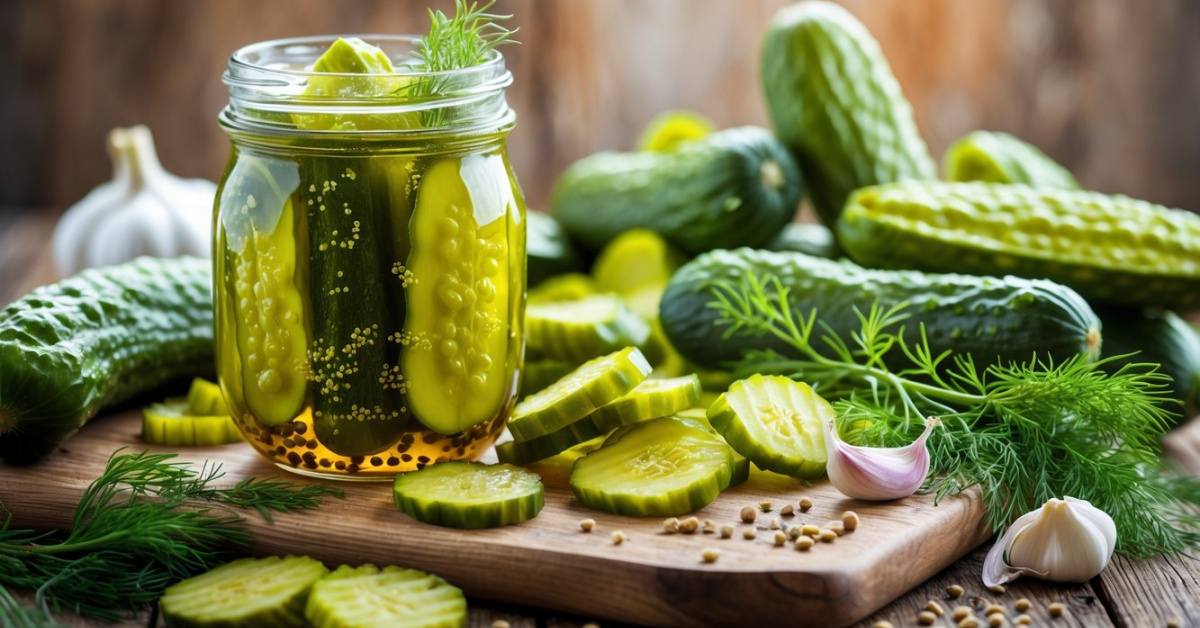
When I think of Victorian England, I picture grand parlors, elegant dresses, and lavish dinner parties. But tucked among the silverware and fine china sat something unexpected—pickles. These tangy treats weren’t just a side dish; they were a sign of status and sophistication.
I’ve always been fascinated by how the simplest foods can carry so much meaning. In Victorian times, showing off a variety of pickled vegetables on your table meant you had wealth, access to exotic spices, and a skilled kitchen staff. It’s amazing how a humble jar of pickles could say so much about a family’s place in society.
The Rise of Pickles in Victorian England
Victorian England saw pickles move from simple preservation to prominent status symbol. Wealthy families filled dining tables with ornate pickle jars, showing off rare ingredients like ginger, garlic, and imported spices from India and the Caribbean. Upper-class homes in cities like London and Manchester featured silver pickle castors and cut-glass jars as part of formal dining displays.
Gentry households often included a dedicated pickling room. Servants spent hours preparing vegetables like cucumbers, cauliflower, and onions, then using spiced vinegar recipes that had been passed down for generations. Victorian cookbooks—such as Eliza Acton’s “Modern Cookery for Private Families” (1845)—listed dozens of complex pickle recipes, reflecting both culinary skill and access to diverse produce.
Growers in country estates expanded kitchen gardens to support year-round pickling. Families showed off their self-sufficiency by presenting homemade pickles at social events and gifting them during holidays. Exotic fruits like mango and melon appeared in aristocratic preserves, offering guests unique flavors uncommon in local markets.
Commercially, urban pickle shops and market vendors flourished. Brands like Crosse & Blackwell established in 1706, supplied pickled walnuts and mixed vegetables across Britain. Households unable to devote time or space for pickling bought these products, signaling taste and refinement through labeled jars on their pantry shelves.
Victorian etiquette encouraged hosts to offer an abundance of pickled selections at dinner. Shelves lined with jars in various colors demonstrated resourcefulness and worldliness, connecting gardening, preservation, and social standing throughout the era.
Social Significance of Pickles
Pickles in Victorian England meant more than a preserved vegetable—they showed status, taste, and self-sufficiency. I see how every jar reflected careful choices, skilled hands, and a family’s social aspirations.
Pickles as Markers of Wealth and Class
Wealthy Victorians displayed pickles to highlight privilege. Households with silver pickle castors and cut-glass jars made clear statements about their finances and taste. Imported spices for pickling—examples include mace, ginger, and black pepper—were expensive, so recipes using these ingredients pointed to a family’s means and access. Recipes from notable cookbooks, such as Eliza Acton’s, featured rare picks like walnuts or mangoes, showing that hosts valued both the unique and the labor-intensive. Possessing a pickling room or a dedicated staff for preservation further set elites apart.
Presentation at the Victorian Table
Victorian hosts arranged pickles with remarkable care at dinner parties. I appreciate how colorful jars lined the table, each placed in coordinated silver stands or cut-glass holders to match the evening’s theme. Hosts served pickled onions, cucumbers, and red cabbage to add variety and vibrancy—making the meal more visually appealing. Etiquette directed that the abundance and presentation of pickled foods signaled resourcefulness and culinary pride. Guests gauged a family’s sophistication by their pickle selection, the variety of vegetables, and the complexity of flavors. I believe the effort behind this display connected the present moment to year-round skills in gardening, preserving, and entertaining.
Pickle Production and Trade
Pickle production in Victorian England blended household craft with international commerce. I see clear contrasts between domestic traditions and commercial operations, all shaped by trade and societal demand.
Domestic Versus Commercial Pickling
Households across England prepared pickles using homegrown produce and handwritten recipes. I often study Victorian kitchens, where sturdy stoneware jars and copper preserving pans lined the shelves. Families with extensive gardens harvested cucumbers, cauliflower, onions, and beans for pickling, especially during glut seasons. Gentry homes showcased dedicated pickling rooms, relying on skilled staff to manage spice blends—often referencing cookbooks like Eliza Acton’s or Mrs. Beeton’s for guidance.
Commercial producers like Crosse & Blackwell responded to demand from growing urban populations. I note how commercial picklers scaled recipes, sourcing larger vegetable quantities and standardizing spiced vinegar blends for consistency. Factories managed pickling in bulk, packaging products in uniform glass jars. While homemade pickles emphasized uniqueness and household prowess, commercial offerings appealed to customers who preferred convenience or lacked access to garden harvests.
Imports, Rarity, and Exclusivity
Trade networks brought rare spices and exotic vegetables into Victorian England, giving certain pickles higher status. I appreciate how merchants imported ginger from the West Indies, garlic from southern Europe, and spices like mace, cloves, and cinnamon from Asia. Imported ingredients increased the status of any table—pickles featuring vinaigrettes flavored with these items pointed directly to privilege.
Scarce vegetables, such as samphire, French beans, and mangoes, appeared in the recipes of wealthier households during the 19th century. Using imported ingredients signaled sophistication, especially at dinner parties. My own research into trade records and period advertisements shows that demand for rare pickled goods prompted grocers to stock globally sourced items. For many Victorians, access to these ingredients—whether for domestic use or as part of commercial blends—reaffirmed the pickle’s role as a clear status symbol.
Pickles in Victorian Culture and Etiquette
Pickles in Victorian England shaped both dining rituals and everyday manners. Displaying and serving preserved delicacies raised the host’s standing and reflected refined taste across all classes.
The Pickle Castor and Tableware Trends
Pickle castors dominated Victorian dinner tables as prized status pieces. I see silver-plated castors with tongs, cut-glass jars, and engraved frames—these never left the sideboard at formal meals. Servants used delicate pickle forks to serve guests, never fingers. Families selected ornate tableware to enhance the vibrancy of their pickled vegetables (examples: piccalilli, gherkin, silverskin onion), signaling both affluence and a thorough knowledge of current trends. Collectors today still recognize English Victorian pickle castors from makers like James Dixon or Elkington for their craftsmanship and design complexity.
Role in Social Gatherings and Events
Hosts arranged pickled vegetables in groups during luncheons, teas, and dinners, as etiquette dictated a variety for guests. I often read that Victorian etiquette manuals demanded six or more distinct pickles for well-appointed tables—cucumber, red cabbage, walnut, onion, beet, and cauliflower, for example. Guests judged the host’s skill and worldliness by the diversity and complexity of pickled offerings. I notice that homemade pickles carried special prestige, with gentry rivaling each other with rarities flavored by spices such as cardamom or ginger. In my own experiences, these traditions still inspire the communal pride and presentation around homegrown, homemade preserves at events today.
Decline and Lasting Influence
Social shifts and changing food supply chains shaped the decline of pickles as overt status symbols in late Victorian England. Industrial canning, improved transport, and refrigeration provided households, from city flats to rural manors, with a steady supply of fresh foods and uniform commercial preserves. Ornate silver pickle castors and cut-glass jars rarely appeared on tables by the 1890s, replaced by simpler designs. Fewer families dedicated rooms or staff solely to pickling as urban life drew people away from estate-based self-sufficiency and traditional kitchen gardens.
Pickling’s influence endured through everyday food customs, recipe books, and home gardening across the UK and the wider world. I still find Victorian-style pickles featured in specialty food shops, farmers’ markets, and modern British cookbooks, especially those celebrating seasonal produce and heritage skills. Many classic recipes, like piccalilli and pickled walnuts, remain popular at holiday feasts or with Sunday roasts. Generations passed down the significance of homemade preserves—both for taste and as a point of pride in self-sufficiency.
Contemporary home pickling circles echo the Victorian enthusiasm for variety and creativity. Community events and competitions, such as local fairs or produce swaps, reward the most vibrant or uniquely spiced pickles. Sustainability movements continue to promote home pickling alongside gardening to reduce food waste and secure year-round access to locally grown vegetables. Victorian trends—like displaying colorful jars or trading preserves—emerge wherever picklers celebrate abundant harvests and resourcefulness.
| Aspect | Victorian Decline (Late 19th Century) | Present-Day Influence |
|---|---|---|
| Tableware | Ornate castors/jars faded | Simple jars, artisan displays |
| Pickling rooms/staff | Decreased or disappeared | Hobby kitchens, communal workshops |
| Social rituals | Rarer formal pickle displays | Picnics, potlucks, competitive fairs |
| Recipe heritage | Complex recipes persisted in cookbooks | Classic recipes in cookbooks, food blogs |
| Self-sufficiency/gardening | Less estate pickling, more purchased food | Revival through sustainability movements |
| Imported/exotic ingredients | Less exclusive with broader availability | Focus on local, seasonal, and specialty pickles |
Conclusion
Looking back at the role of pickles in Victorian England I’m struck by how much meaning people found in something as simple as a jar of preserved vegetables. It’s fascinating to think about how a colorful pickle spread could send a message about a family’s worldliness or culinary skill.
Even though the era of ornate pickle castors and grand pickling rooms has faded I still find echoes of that pride and creativity in today’s kitchens. Whether I’m reaching for a jar of homemade pickles or browsing a specialty shop I can’t help but appreciate the tradition and care behind every tangy bite.