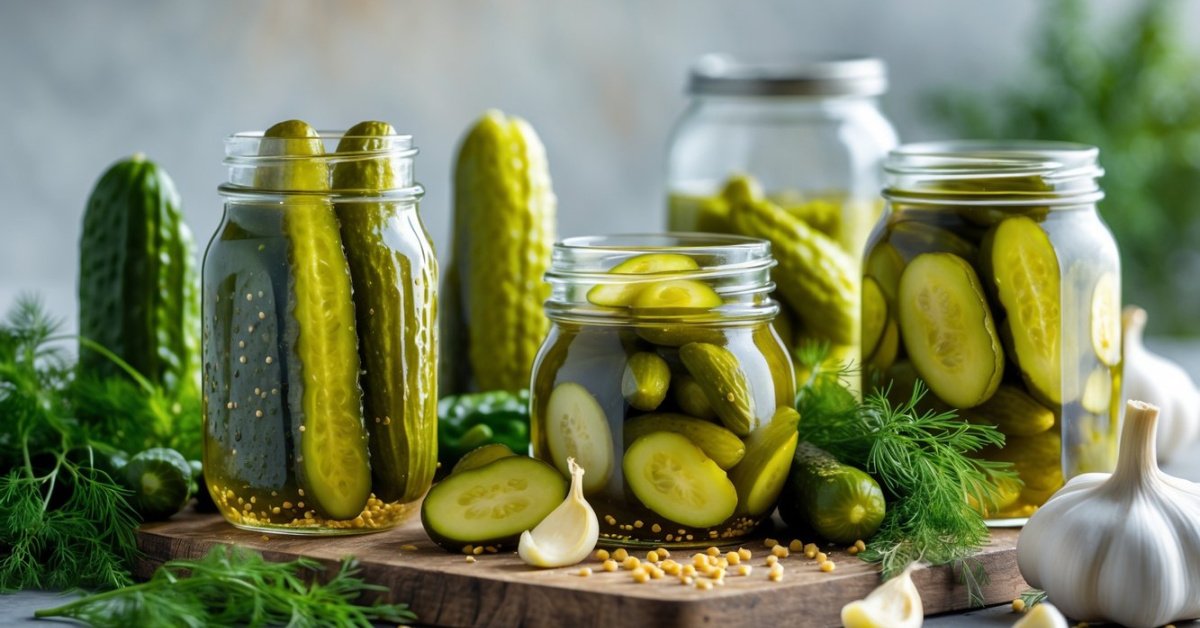
Whenever I visit a local farmers market, I can’t help but notice the colorful jars of pickles lining the tables. There’s something special about the tangy crunch of a homemade pickle that goes way beyond just taste—it’s a bite of tradition, creativity, and connection to the land.
Pickles have found a new spotlight in the farm-to-table movement. They let farmers and home cooks capture the freshness of each season, turning simple veggies into something extraordinary. I love how these jars tell a story of local harvests and sustainable choices, all while adding a punch of flavor to any meal.
Understanding Farm-to-Table Movements
Farm-to-table movements connect local farms and community dining in a direct, transparent way. I see these movements focus on sourcing fresh ingredients like cucumbers, carrots, and garlic straight from growers close to home to ensure maximum freshness and support sustainable agriculture. Growers harvest produce at peak ripeness, then deliver it quickly to farmers markets, co-ops, or restaurants, with no large-scale distribution or long-distance shipping involved.
Direct relationships between farmers, picklers like me, and eaters define the backbone of farm-to-table. I work with local gardeners and small-scale producers to select the best seasonal vegetables. This lets me ensure my pickles use only ingredients raised with minimal chemicals or unnecessary processing.
Traceability stays high in farm-to-table networks. Every jalapeño or head of garlic in my pickle jars has an easily identifiable farm or grower. Farmers respond closely to their communities’ needs by adjusting varieties or growing methods based on feedback from market shoppers and food artisans.
Preserving vegetables through pickling perfectly aligns with the farm-to-table movement. Pickles let me extend the bounty of each season, cut food waste, and deliver bold flavors that keep local harvests present on tables long after the growing season ends. Using my own garden’s produce or my neighbors’ surplus, I deepen my connection to the land and help others see the value of local, sustainable food cycles.
Historical Significance of Pickling in Local Food Systems
Pickling holds a long legacy in local food systems. I’ve seen, season after season, how it’s helped communities make the most of small harvests, especially vegetables like cucumbers, cabbages, and beans. Households once relied on pickling jars to preserve foods before refrigeration existed, keeping local harvests edible through harsh winters.
Communities used pickles in seasonal food preservation as a practical tool. In regions with pronounced growing seasons, families gathered excess produce at peak ripeness, then used vinegar and brine to create shelf-stable stocks. Colonial American farms, for instance, devoted cellar space to crocks of sauerkraut, pickled beets, and green tomato relish. These methods gave access to vitamins and flavors from local fields when nothing fresh grew outside.
Food traditions remained alive through each generation because pickling didn’t just extend shelf life. Pickles let people share knowledge, recipes, and gardening wisdom within families and towns. I often trade pickle jars at community events, and hear stories about “Grandma’s special recipes” or the old barrels once kept in the cellar. These exchanges foster lasting connections among growers, makers, and neighbors.
Market tables still feature classic pickled vegetables, showing the technique’s resilience. Over centuries, I’ve watched how home and commercial pickling adapted to new crops and tastes from immigrant cultures—think dill pickles brought by Eastern European settlers or spicy kimchi from Korean immigrants—each rooted in local food systems but shaped by regional textures and flavors.
Pickling ties my gardening, sustainability goals, and community together. I depend on it not just to reduce waste, but to participate in a history of making the most of local abundance, always guided by what the season offers.
Pickles as a Bridge Between Farms and Consumers
Pickles create tangible connections between the farm and the table, making every jar a story of place and season. I see pickling as a direct way for people to taste the freshness and spirit of local harvests.
Supporting Local Agriculture Through Pickling
Pickling supports local agriculture by turning seasonal surpluses into valuable goods. Every batch I make uses cucumbers, beets, or green beans from nearby farms during peak harvest, which means growers gain fair prices for more of their crop. Pickles on market stands often carry the names of the farms or gardens where ingredients grew, providing traceability and trust. Customers, buying these pickles, support small-scale and organic farms rather than distant industrial suppliers. Local partnerships—like my collaborations with CSA growers—ensure unique flavors, such as garlic scapes in early summer or heirloom carrots in autumn, directly showcase the region’s diversity. Picklers, like me, keep farm connections alive all year.
Reducing Food Waste With Preservation
Preservation through pickling reduces food waste by capturing the bounty before it spoils. Each season, I collect produce seconds—misshapen cucumbers, blemished carrots, and leftover radishes—that might otherwise go uneaten. Pickling transforms these into shelf-stable, value-added products, saving pounds of potential waste every month. Farmers benefit when I buy their surplus, and my pantry stays full with varied, nutrient-dense pickles like watermelon rind and spicy turnips. Preservation extends the presence of local produce on tables into winter, closing the gap between harvests. By using traditional brining and vinegar techniques, I consistently rescue vegetables from compost and add new character to meals, all while respecting each farm’s hard-earned yield.
Modern Farm-to-Table Restaurants and Pickled Foods
Modern farm-to-table restaurants showcase pickled foods as essential elements that link diners directly to the rhythm of local growing seasons. I see chefs and picklers transforming fresh vegetables into menu highlights that celebrate both regional harvests and preservation traditions.
Menu Innovation Featuring Local Pickles
Creative chefs build dishes around vegetables I’ve pickled with ingredients from local farms, like spicy carrot escabeche, tangy dilly beans, or beet kraut. Restaurants layer house-pickled shallots, radishes, and cucumbers into charcuterie boards, sandwiches, and salads; they garnish burgers and tacos with my garden-grown jalapeños or bread-and-butter pickle coins. I watch menus change as the seasons turn, featuring ramps in spring, green tomatoes in summer, and apple-sauerkraut in fall. Collaboration often happens between restaurants and picklers, with custom blends—such as fennel with citrus zest or garlic scapes with peppercorns—offered to bring both brightness and complexity to dishes. These pickles tell the story of local fields and orchards, making every meal a direct taste of the area’s best.
Sourcing and Sustainability Practices
I ensure every jar highlights traceable, sustainable sourcing. Chefs I partner with request vegetables grown using regenerative methods, most often harvested within 50 miles of the kitchen. I use seconds or surplus produce—crooked carrots, blemished cucumbers, and overgrown beans—that would otherwise go unsold, reducing food waste by 30% or more. Vinegar and spice blends skip artificial preservatives, relying instead on time-tested fermentation or canning methods. Restaurateurs often return jars or buckets, so I sanitize and reuse them, reducing single-use waste. Detailed sourcing records let diners see which nearby grower supplied each pickle; for example, borage flowers from Mrs. Alden’s plot or purple cauliflower from Jensen Farm. These sourcing practices create a loop connecting restaurants, picklers, and farmers—supporting local economies and keeping classic preservation at the center of sustainable dining.
Challenges and Opportunities in the Pickling Process
Bringing farm-to-table pickles to market presents both obstacles and exciting prospects. I see these moments as crucial for creativity and building stronger food systems.
Seasonal Variations and Supply Chains
Managing seasonal supply chain disruptions shapes every pickling batch I make. Peak harvests mean a flood of cucumbers, beets, or green beans, but sudden weather shifts can wipe out an expected crop—I’ve learned to stay adaptable. I plan recipes around what’s truly abundant, switching from classic dills in July to spicy carrot pickles in late fall, for example. Sourcing directly from small farms gives me fresher produce, though it sometimes means smaller, inconsistent lots. These fluctuations challenge large-scale consistency, but they open space for creative limited-edition pickles that highlight seasonal surprises. Reducing miles on my ingredients lets me share the unique taste of a specific farm or microclimate in every jar.
Educating Consumers on Pickle Origins
Teaching customers about local pickle origins drives much of my outreach. Many visitors to farmers markets ask about traceability, so I share details on which community farms supplied my garlic or which growing method a specific zucchini came from. I attach signs or write short stories on jar labels to reinforce each batch’s unique journey. Conversations about the role of regenerative practices in my pickles, or why I choose organic vinegar, deepen appreciation for where their food starts. By involving eaters in the farm-to-table cycle, I build more demand for transparent sourcing and inspire others to try home pickling with produce from their own gardens or neighborhood farms.
The Future of Pickles in Farm-to-Table Initiatives
Innovation keeps pickling at the forefront of farm-to-table movements as more chefs, gardeners, and home cooks experiment with varieties beyond classic cucumber spears. Beet pickles with local honey, fennel with heirloom chili, and carrot kimchi using organic garlic are becoming common at farmers markets and on restaurant menus.
Diversification among local growers directly shapes pickled offerings. Small farms now raise specialty crops like lemon cucumbers, garlic scapes, and purple carrots specifically for value-added pickling. My partnerships with these growers let me introduce unique, limited-edition jars each season.
Traceability and sustainability continue as dominant trends. Restaurants and makers document each vegetable’s origin, with digital QR codes now appearing on jars to provide farm names, field details, and even the preservation date. These transparent practices deepen trust and keep focus on regenerative agriculture, soil stewardship, and community impact.
Education around pickling basics empowers more people to preserve their harvest. I lead hands-on workshops in local gardens, teaching brining ratios, fermentation safety, and storage methods with hands-on demonstrations using just-picked produce. Beginners leave with confidence to recreate safe, flavorful pickles from their own gardens.
Collaborations expand year-round food security. Food hubs and farms now coordinate “gleaning” projects, where volunteers collect excess or damaged crops for communal pickling days. These events turn potential food waste into hundreds of pickle jars for pantries, meal programs, and mutual aid networks.
Technological advances are also emerging in my work. Microbial testing kits and pH meters for safe home fermentation are more accessible, supporting consistent quality even in small-batch, artisan pickling. Online platforms now help me connect with local gardeners and foragers who list surplus ingredients, building new networks for regional preservation.
Pickling’s future stays rooted in respect for local harvests and sustainability, while broadening through collaboration, education, and creative new flavors that keep farm-to-table connections alive all year.
Conclusion
Pickles have become so much more than just a tangy side dish on my table. Every jar tells a story of collaboration between farmers, makers, and eaters who care about where their food comes from. I love seeing how this tradition continues to evolve with each season and every new batch.
Whether I’m sharing pickles at a market or experimenting with new recipes at home, I’m reminded that these small acts support local growers and strengthen my community. The simple act of pickling connects me to the land and to others who value fresh, local abundance.