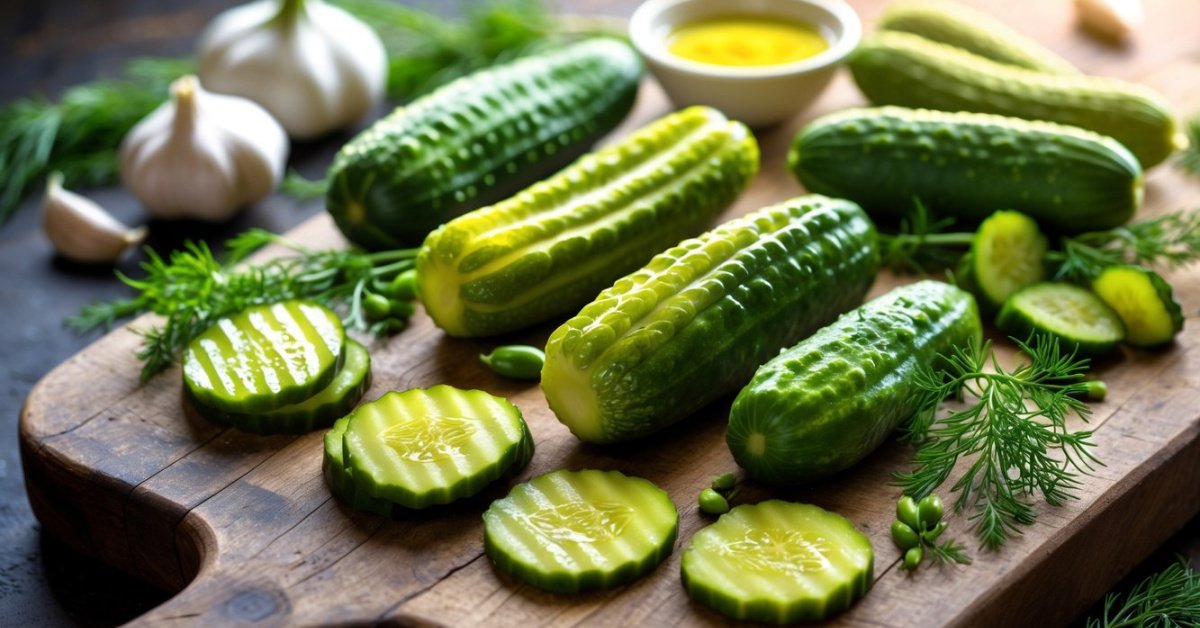
I’ve noticed more athletes reaching for pickle juice instead of sports drinks after a tough workout or a long run. It’s not just a quirky trend—some swear by it for quick relief from muscle cramps and faster recovery. The tangy, salty liquid seems to be popping up everywhere from gym bags to professional locker rooms.
Curious about why pickle juice is gaining so much attention, I decided to dig into what makes it so popular among athletes. Is it really a miracle cure for cramps or just another passing fad? Before you start chugging that bright green brine, let’s explore what pickle juice can actually do for your body—and what risks might come along for the ride.
What Is Pickle Juice and Why Do Athletes Use It?
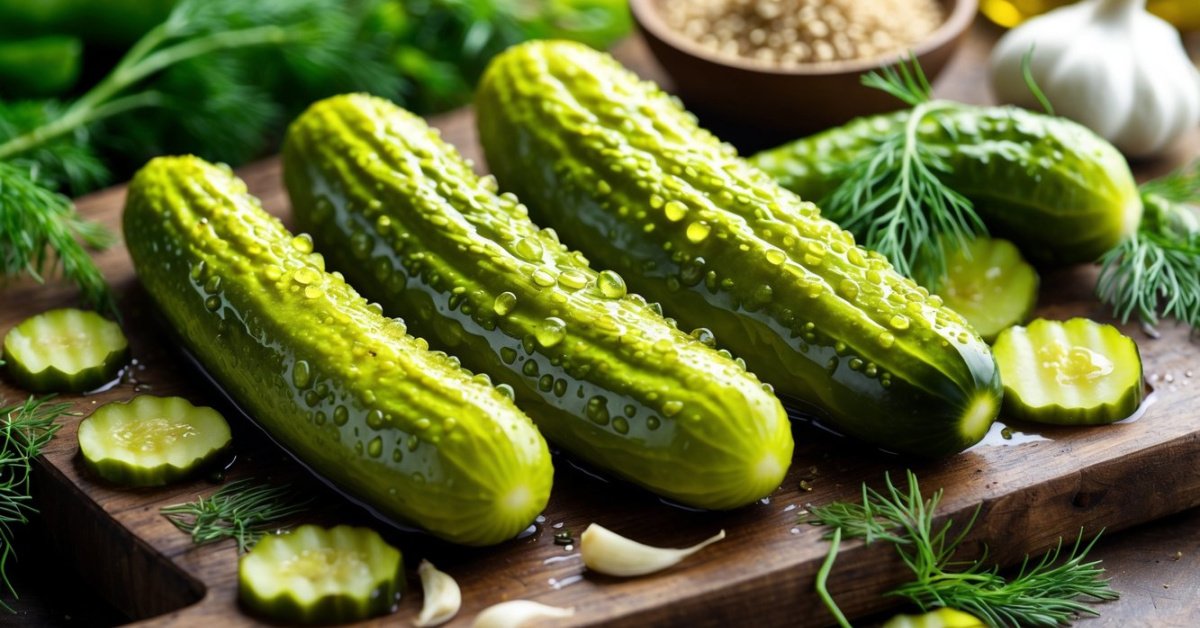
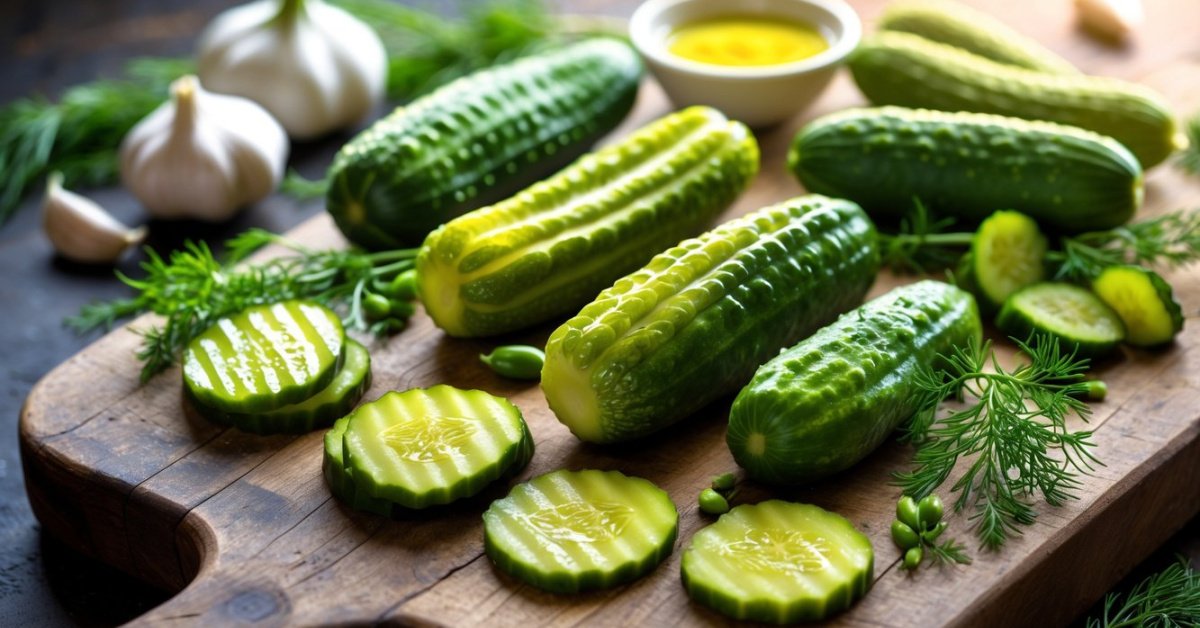
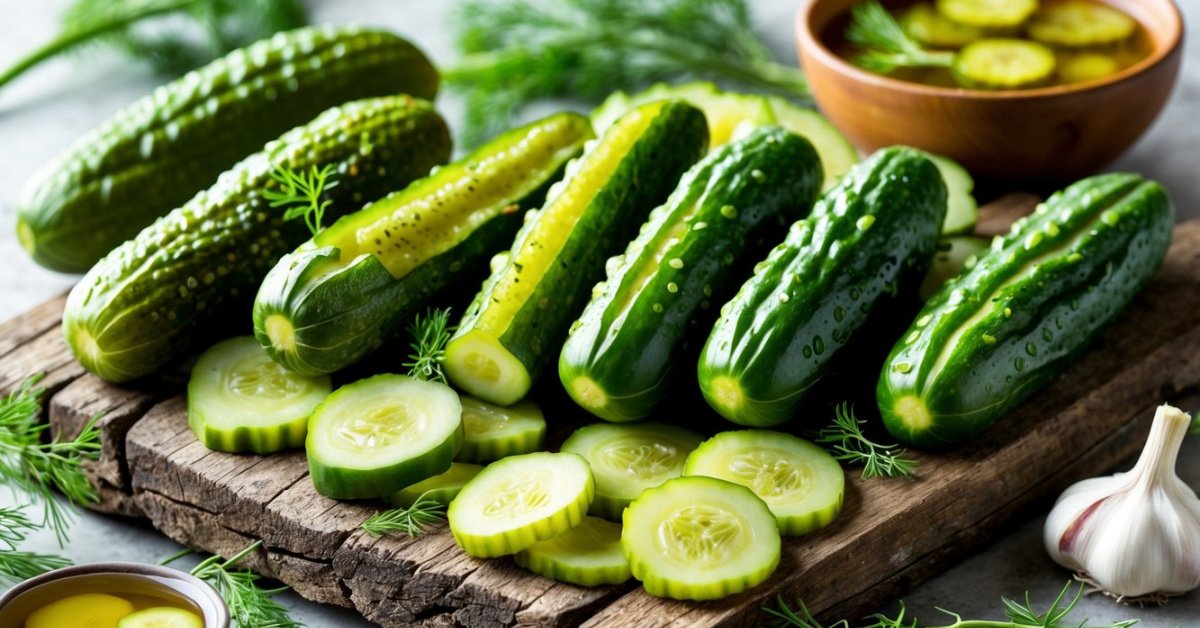
Pickle juice is the salty brine left over after fermenting or preserving cucumbers using water, vinegar, salt, and spices like dill, garlic, and mustard. In my pickling experience, this liquid becomes rich in sodium, electrolytes, and trace minerals during the fermentation process, especially when using homegrown ingredients.
Athletes use pickle juice for fast relief from muscle cramps, electrolyte replacement, and rehydration. In competitive sports, players drink pickle juice for its high sodium, which helps maintain fluid balance during intense activity. Some athletes—such as football players, runners, and cyclists—prefer it over commercial sports drinks because it contains fewer sugars and additional plant-based compounds from pickling spices.
Researchers have shown that small amounts of pickle juice can trigger a reflex in the mouth, stopping cramps within about 85 seconds according to a 2010 study published in Medicine & Science in Sports & Exercise. This muscle cramp relief happens before the sodium even enters the bloodstream, suggesting a neural mechanism rather than just electrolyte restoration.
Commercial pickle juice products for athletes often standardize sodium and vinegar concentrations. These formulas appeal to those wanting a consistent dosage. My homemade pickle juice varies in flavor and intensity, reflecting the diversity of my garden’s harvest and the unique properties of each batch.
Exploring pickle juice in athletic recovery connects food preservation with performance benefits. Pickling not only extends the life of vegetables but also creates a brine that supports physical endurance for athletes seeking natural and effective alternatives.
Potential Benefits of Pickle Juice for Athletes
Pickle juice offers distinct advantages for athletes seeking natural solutions for cramping and recovery. As an expert pickler, I find the specific blend of brine, vinegar and spices in homemade or high-quality commercial pickle juice supports physical resilience in key ways.
Muscle Cramp Relief
Pickle juice alleviates muscle cramps rapidly for many athletes. When studies tested 2–3 oz (about 60–90 ml) of dill pickle brine on individuals with exercise-induced cramps, the average relief began within 85 seconds (source: Miller et al., 2010, Medicine & Science in Sports & Exercise). I attribute this effect to the acetic acid in vinegar and the high sodium content, which likely triggers a neural reflex rather than relying on fluid and electrolyte replacement alone. Many professional cyclists and runners I meet prefer a quick sip of fresh brine over waiting for electrolyte supplements to kick in.
Hydration and Electrolyte Balance
Pickle juice promotes better hydration and restores sodium lost through sweat. Each 1-oz (30-ml) serving of traditional brine typically contains 230–470 mg sodium, significantly more than most sports drinks, which average 110 mg per serving. The potassium and trace minerals present, such as magnesium and calcium, support electrolyte balance—something I focus on when preparing brines from garden-fresh cucumbers and mineral-rich well water. For context, a 16-oz jar of dill pickles contributes more than half the daily sodium needs for active adults, making moderate pickle juice a powerful option during heavy training.
| Pickle Juice (1 oz) | Sports Drink (1 oz) |
|---|---|
| 230–470 mg sodium | 110 mg sodium |
| 15 mg potassium | 12–20 mg potassium |
Performance and Recovery Support
Pickle juice supports muscle function and post-workout recovery. Researchers report lower muscle soreness and improved fatigue resistance among athletes consuming small amounts post-exercise (source: Brummitt, 2018, International Journal of Athletic Therapy). Consistent use may also help reduce exercise-induced oxidative stress, especially when the brine includes garlic, dill, or mustard seeds. I see athletes reap the benefits by choosing homemade brines rich in complex plant compounds—these carry anti-inflammatory and antioxidant effects beyond what processed drinks deliver.
Risks and Drawbacks of Pickle Juice Consumption
Pickle juice works fast for cramps, but it isn’t risk-free. Some natural properties of the brine can create problems, especially for athletes who drink it regularly or in large quantities.
High Sodium Content
Pickle juice holds much more sodium than fresh cucumbers or most other fermented vegetables. A typical 2-ounce serving contains 500–1150 mg of sodium, according to the USDA and commercial labels. If people drink pickle juice often, they raise their daily salt intake far above the recommended 2,300 mg limit set by the American Heart Association. High sodium levels increase risks for high blood pressure, heart strain, and related conditions, even for active individuals. If I’m looking for electrolyte balance, I always remind myself that sodium isn’t the only mineral lost through sweat, and more isn’t always better.
Gastrointestinal Issues
Drinking pickle juice sometimes causes unpleasant stomach effects. People sensitive to vinegar, salt, or spices—like garlic, peppercorns, or dill—can experience stomach cramps, gas, or bloating after even small servings. Larger amounts may trigger nausea, diarrhea, or acid reflux. In my years of making brines, I’ve found that every batch holds a different amount of acid, which can irritate the digestive tract or worsen existing gut issues. This happens more often with homemade brines, as they carry more varied and sometimes stronger vinegar or spice notes than commercial pickle juice products.
How to Use Pickle Juice Safely
Pickle juice helps with cramps and supports hydration in intense training, but safety depends on how and when athletes consume it. I’ve spent years making and using my own pickle brine, so I focus on moderation and mindful use, especially for anyone new to athletic pickling.
Dosage and Timing Recommendations
Most athletes take 1–3 fluid ounces (30–90 ml) of pickle juice, for example, right before or after exercise or at the onset of muscle cramps. I avoid exceeding 3 ounces per session since my brines are much higher in sodium than commercial versions. My pickling hobby taught me that the timing matters—quick cramp relief happens when I sip brine right when the muscle tightens, not as a daily supplement. For those sensitive to salt or vinegar, I recommend starting with 1 ounce and monitoring how your stomach and muscles respond.
Alternatives to Pickle Juice
Many athletes or gardeners ask me about options when pickle juice isn’t available or is too strong. I suggest low-sodium vegetable brines, for example, from naturally fermented sauerkraut, or lower-acid versions from lightly pickled green beans. Some prefer coconut water or homemade electrolyte water using salt, lemon juice, and honey to support hydration without as much acidity or sodium. When I want anti-inflammatory benefits along with electrolytes, I drink tart cherry juice or infuse water with fresh ginger and turmeric from my garden. Each option offers unique plant compounds and fewer risks for those watching sodium or dealing with digestive sensitivities.
Conclusion
Exploring pickle juice as an athletic aid has definitely changed the way I look at post-workout recovery. I love how something as simple as leftover brine can spark so much curiosity and debate among athletes.
Whether you’re reaching for pickle juice or sticking to more familiar options it all comes down to what works best for your body and training goals. I always remind myself to listen to my body and make choices that support my long-term health and performance.