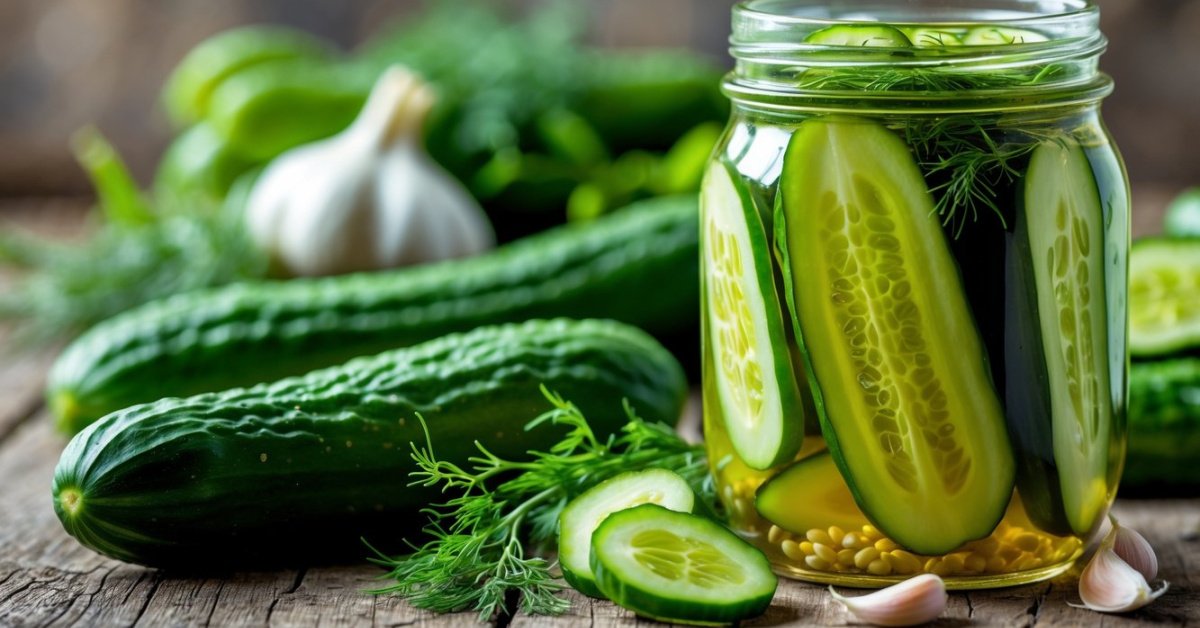
I’ve always loved the tangy crunch of pickles, but I started wondering if they could actually do more than just liven up a sandwich. With acid reflux being such a common annoyance, I’ve heard people claim that pickles can help soothe that burning sensation. It sounds a bit surprising, right?
Like many others, I’m curious if there’s any truth to the idea that pickles might ease acid reflux or if it’s just another food myth. Before I reach for another spear, I want to dig into what’s really going on and whether pickles are friend or foe when it comes to heartburn.
Understanding Acid Reflux
Acid reflux happens when stomach acid flows upward into the esophagus. Symptoms usually include burning sensations in the chest, sour taste in the mouth, and sometimes difficulty swallowing. I often meet folks in the pickling community who confuse heartburn, a symptom of acid reflux, with regular digestive discomfort.
The lower esophageal sphincter (LES) acts as a barrier between the stomach and esophagus. Weak closure of the LES lets acidic stomach content move up. I see this occur more frequently after large meals or after eating foods high in fat, caffeine, or spices—like fried food, chocolate, or strong chili-pepper pickles.
Chronic acid reflux, known as gastroesophageal reflux disease (GERD), can damage the esophagus if persistent. GERD carries risks like inflammation and sometimes ulcers. Many gardeners and home food preservers I know learn to manage symptoms by adjusting what they eat.
Common triggers of acid reflux include carbonated drinks, onions, high-acid vegetables (tomatoes as a home canner’s example), and vinegar-based foods. I always check ingredient lists and pH levels when making pickles, since acid strength can influence symptoms for sensitive individuals.
What Are Pickles?
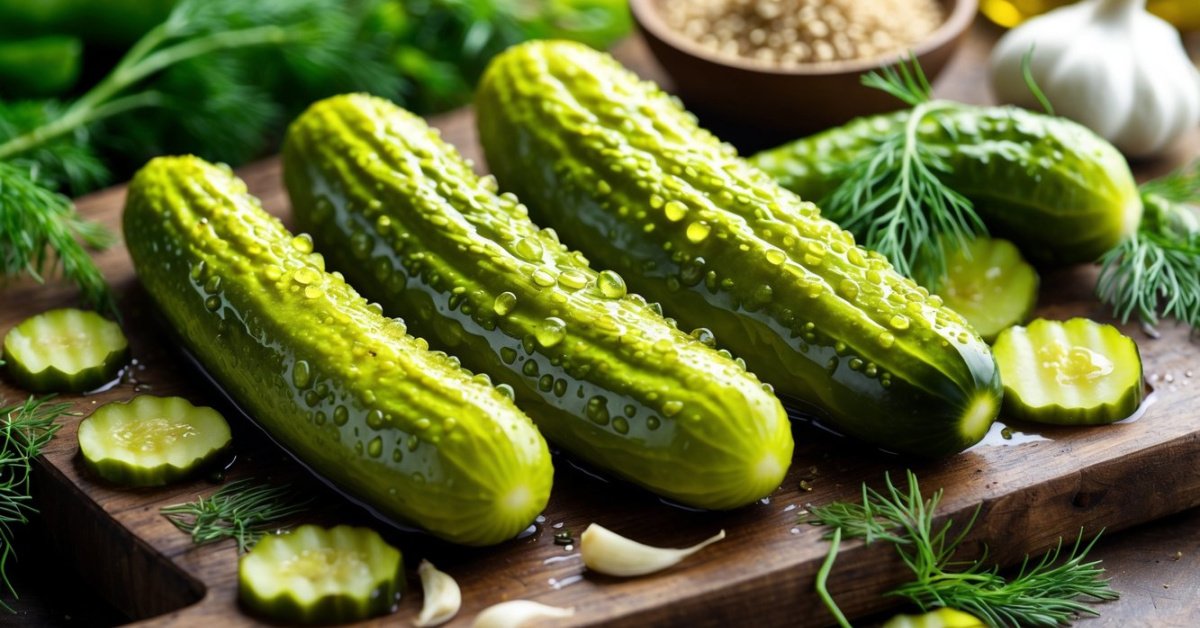
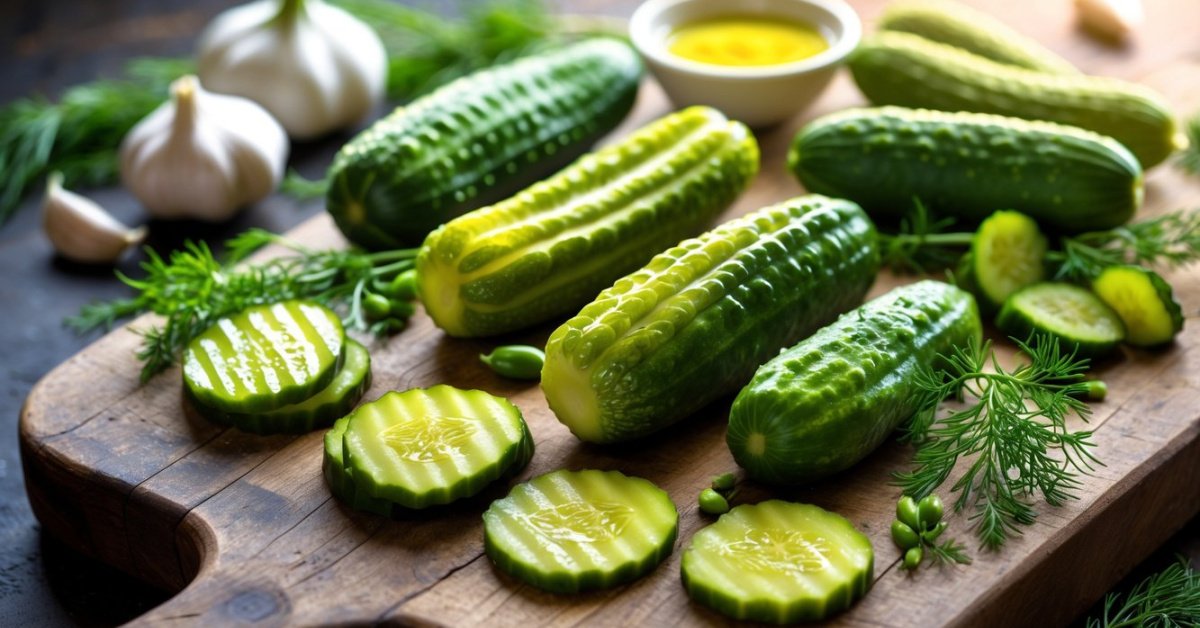
Pickles are vegetables or fruits that I soak in a brine or vinegar solution to preserve them and create distinct flavors. I most often use cucumbers, but I also pickle beets, carrots, peppers, green beans, and garlic. Pickling transforms the texture, taste, and nutritional profile of these foods. I rely on two methods for pickling: fermentation and vinegar pickling. Fermentation uses beneficial bacteria and salt to break down sugars, while vinegar pickling relies on acetic acid to quickly preserve.
Brine recipes includes salt and water, sometimes with added spices like dill, mustard seeds, bay leaves, or coriander. Vinegar pickling incorporates types like distilled white, apple cider, or rice vinegar. Both methods lower the pH to inhibit harmful bacteria, keep my pickles crisp, and develop tangy or sour notes. I always sterilize jars and utensils to prevent spoilage and maintain food safety.
Shelf-stable pickles rely on precise acid levels. For home projects, I monitor brine ratios and fermentation time to control texture and flavor. Acidic brines and air-tight storage extend shelf life by months. My pickling practice lets me enjoy homegrown produce year-round, experiment with new varieties, and control every ingredient for taste and health.
How Pickles Affect Digestion
Pickles interact with digestion through their unique combination of vinegar, fermentation byproducts, and sodium. Each pickling method changes how my body processes these tangy favorites.
The Role of Vinegar and Fermentation
Vinegar-pickled veggies, like my shelf-stable garlic dills, use acetic acid to preserve and flavor. This lowers the pH of the pickles, making them more acidic than fresh vegetables. I notice that the added acidity can sometimes trigger heartburn or reflux, especially after larger portions or when I’m already sensitive. Fermented pickles, such as my classic half-sours, rely on lactic acid produced by beneficial bacteria, not vinegar. These probiotics—like strains of Lactobacillus—may help support healthy gut flora. Some research, such as a 2018 review in Nutrients, links probiotic-rich fermented foods to improved digestion for a subset of people. However, any strong acid, whether from vinegar or lactic fermentation, can provoke reflux if my lower esophageal sphincter relaxes at the wrong moment.
Sodium Content and Its Impact
Pickles, whether brined or vinegar-cured, deliver high sodium content compared to fresh produce. Even my homemade recipes, when tested, often contain over 300 mg sodium per spear. High sodium draws water into the digestive tract by osmosis, sometimes causing bloating or mild discomfort, especially if I eat multiple pickles in one sitting. MedlinePlus confirms that high-salt diets increase stomach acid secretion, which may aggravate acid reflux in people who are already prone. For those sensitive to salt, reducing sodium in brine or rinsing pickles before eating can minimize this effect. Each batch’s sodium level depends on the brine recipe and curing time, so I always monitor salt content when sharing pickles with others who watch their intake.
Can Pickles Help with Acid Reflux?
Pickles show up in reflux conversations because of their tangy bite and fermented roots. I notice that other pickling enthusiasts debate their role in acid reflux relief as often as they share brine recipes.
Potential Benefits
Fermented pickles offer live probiotics, including strains like Lactobacillus plantarum and Leuconostoc mesenteroides. I’ve seen studies, such as one in Frontiers in Microbiology (2018), link these beneficial bacteria to improved digestion and a well-balanced gut environment. Some people with milder reflux notice better digestion after eating small servings of fermented pickles, particularly when paired with low-fat meals. Cucumbers themselves deliver fiber, which supports healthy gut transit.
Possible Drawbacks
Vinegar-pickled vegetables—the kind most store-bought options use—contain acetic acid with measured pH values often below 4.0. I’ve observed that this level of acidity troubles those dealing with active reflux. Even small amounts, such as a single spear, provoke heartburn in sensitive individuals. High sodium in staple kosher dills, often exceeding 300 mg per two-ounce serving, may increase bloating and fluid retention. For people tracking salt or dealing with cardiac conditions, these values limit pickles’ appeal. Despite the probiotic promise of fermented pickles, their tang and salt content still trigger discomfort for many with chronic reflux. Whenever I make pickles for others with reflux concerns, I always choose mild fermentations and keep sodium content as low as possible.
Expert Opinions and Scientific Evidence
Many gastroenterologists I’ve met connect the high acidity in vinegar-pickled vegetables—like classic cucumber slices or spicy pickled peppers—to greater risk of acid reflux flare-ups. Clinical guidelines from the American College of Gastroenterology specify that acidic foods can relax the lower esophageal sphincter, which lets stomach acid move upwards and cause heartburn. Peer-reviewed studies, including a 2020 article in Current Gastroenterology Reports, cite vinegar and other acidic foods as common triggers among GERD patients.
Some researchers, such as those highlighted by the International Scientific Association for Probiotics and Prebiotics, point to the potential benefits of fermented pickles rich in live Lactobacillus strains. These fermented veggies—examples include kosher dill pickles and pickled carrots made with only salt and water—add probiotics, which may help some people maintain balance in their gut microbiome. A 2018 meta-analysis in Nutrients found that probiotics modestly reduced symptoms in mild or non-erosive reflux cases. Scientists caution that results aren’t consistent for everyone, especially for severe or erosive acid reflux.
Dietitians often highlight the sodium factor in most shelf-stable pickles. A single dill spear may contain 250–350 mg sodium, according to USDA data, and excess sodium intake—over 2,300 mg/day—can worsen bloating and water retention for sensitive individuals. These facts lead professionals to recommend homemade, low-sodium pickle recipes for those monitoring both sodium and reflux symptoms.
Recent clinical advice suggests moderation above all. Healthcare providers I’ve worked with agree that while fermented pickles may offer mild digestive perks, most vinegar-pickled products, especially with added spices or garlic, can set off symptoms for those with acid sensitivity. This context matches my own pickling experience and aligns with current scientific consensus on the complex relationship between pickles, acid reflux, and gut health.
| Pickle Type | Acid Content | Probiotic Benefit | Sodium (per serving) | Impact on Acid Reflux |
|---|---|---|---|---|
| Vinegar-pickled cucumbers | High | No | 250–350 mg | Common trigger |
| Fermented dill pickles | Moderate | Yes | 200–300 mg | Possible mild benefit, not for all |
| Low-sodium brined beets | Low/Moderate | Yes | 50–80 mg | Gentle for most, but not guaranteed |
| Store-bought mixed pickles | High | Rarely | 300–400 mg | More likely to worsen symptoms |
Alternatives to Pickles for Acid Reflux Relief
People managing acid reflux often ask me about better options than pickles, especially when high acidity or salt causes discomfort. I focus on gentle foods from my garden that ease symptoms without sacrificing taste or nutrition.
- Non-Citrus Low-Acid Fruits: I use bananas, melons, and papayas in my daily meals. These fruits don’t increase stomach acidity and rarely trigger burning sensations after eating.
- Cooked Low-Fiber Vegetables: I recommend steamed carrots, sweet potatoes, green beans, and squash. These vegetables come from my garden and provide fiber while remaining easier on sensitive stomachs than raw or highly spiced pickled versions.
- Fermented Alternatives with Low Acidity: I ferment cabbage into sauerkraut with minimal salt and avoid vinegar, producing a probiotic-rich food that many with mild reflux tolerate. Kimchi made with low spice also suits sensitive eaters.
- Plain Whole Grains: I grow and cook brown rice, oatmeal, and quinoa, serving as a bland base for many meals without affecting reflux. These grains don’t contribute to heartburn and offer sustained energy.
- Herbal Teas: I brew chamomile and ginger teas from plants in my garden, helping to soothe digestion and reduce post-meal complaints in people who react poorly to acidic beverages.
- Lean Protein Sources: I rely on grilled chicken, turkey, and fish. These proteins, when not fried or heavily seasoned, cause fewer episodes of reflux compared to fatty or processed meats.
| Food Type | Example Foods | Acid Reflux Safety Context |
|---|---|---|
| Non-Citrus Low-Acid Fruits | Bananas, melons, papaya | Won’t raise stomach acidity |
| Cooked Low-Fiber Vegetables | Carrots, squash, beans | Gentle on digestive tract |
| Fermented, Low Acidity | Mild sauerkraut, kimchi | May support gut health, mild acidity |
| Whole Grains | Brown rice, oatmeal | Neutral, non-triggering base |
| Herbal Teas | Chamomile, ginger | Soothe symptoms, avoid acid drinks |
| Lean Proteins | Chicken, fish, turkey | Less likely to trigger reflux |
Each alternative in my pantry serves those seeking acid reflux relief, while still upholding the homegrown, self-sustainable approach I value. Frequent gardening and pickling experience confirm that these foods help many friends, especially those who react to vinegar or salty brine in traditional pickles.
Conclusion
After diving into the world of pickles and acid reflux I’ve realized there’s no one-size-fits-all answer. Everyone’s body reacts a little differently to acidity and salt so what works for one person might not work for another.
I’ll keep enjoying my favorite pickles in moderation and pay attention to how my body responds. If you’re curious about trying pickles for reflux relief it’s worth experimenting with milder fermentations and keeping sodium in check. Listening to your body is always the best guide.