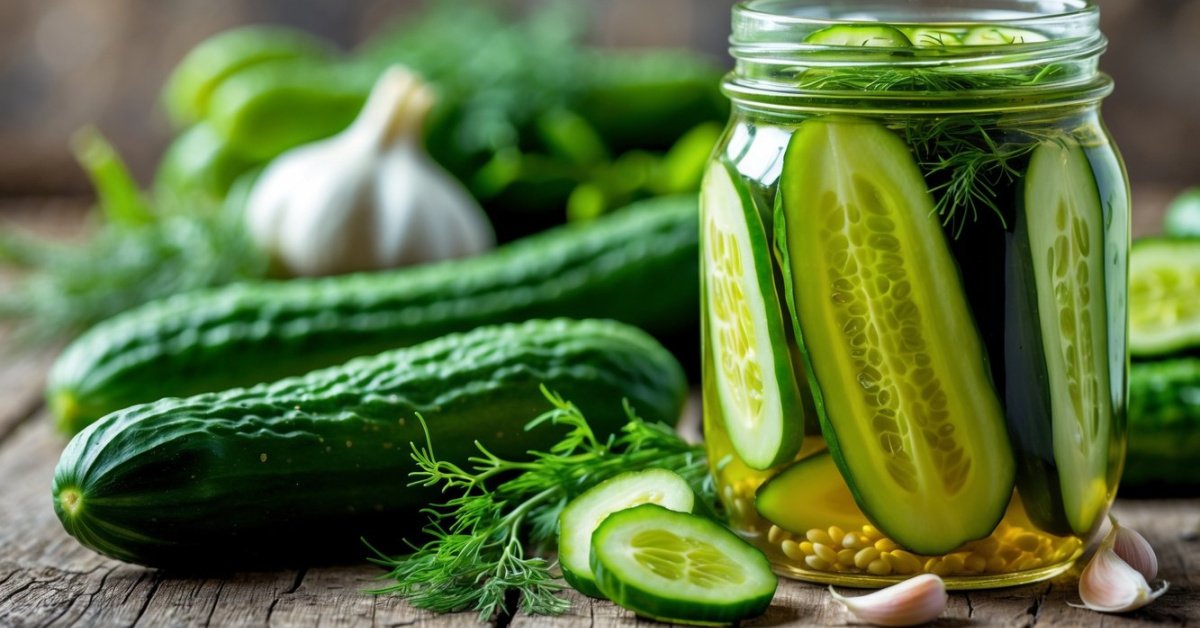
I never thought pickles could turn into comfort food until I tried Polish dill pickle soup, or zupa ogórkowa. This tangy and creamy soup surprised me with its bold flavor and heartwarming simplicity. It’s a dish that brings together the sharpness of pickles and the richness of potatoes in a way that just works.
Whenever I crave something a little different but still cozy, I find myself reaching for this recipe. It’s a classic in many Polish homes and now it’s found a place in my kitchen too. If you’re open to new flavors and love a good bowl of soup, you’ll want to give this one a try.
What Is Dill Pickle Soup: Polish Zupa Ogórkowa Recipe?
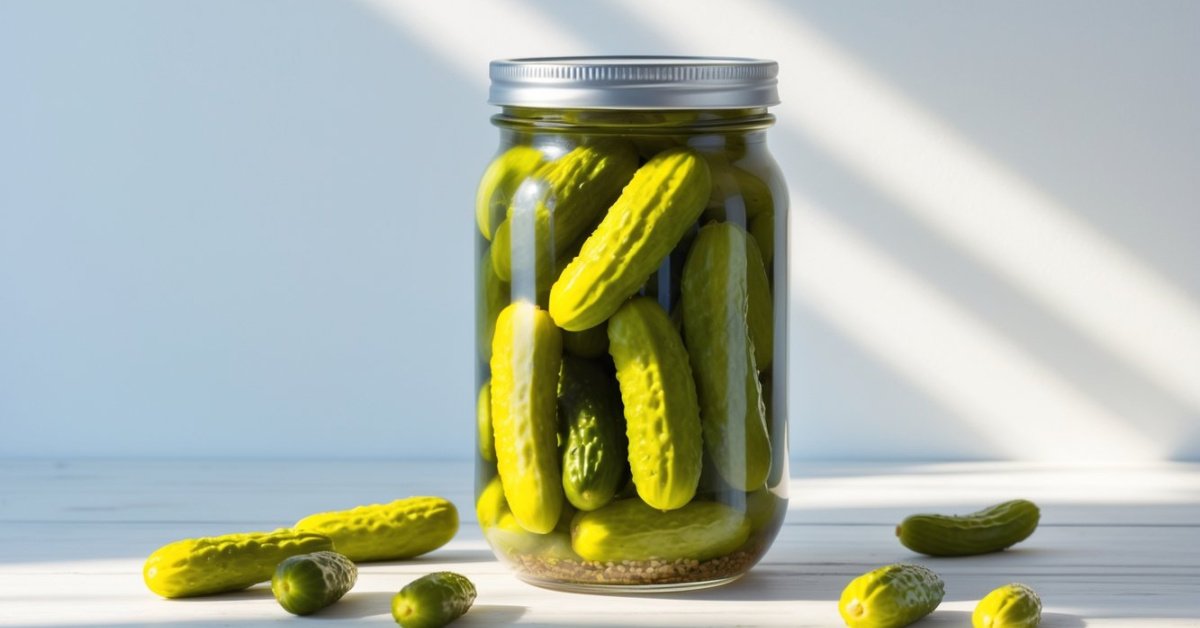
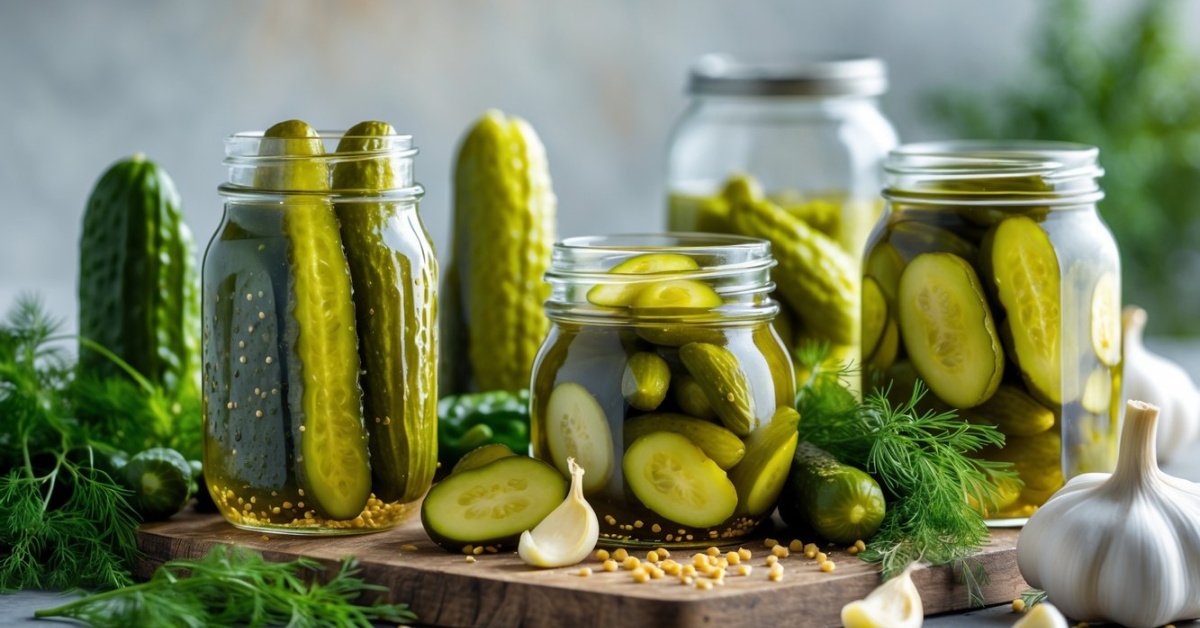
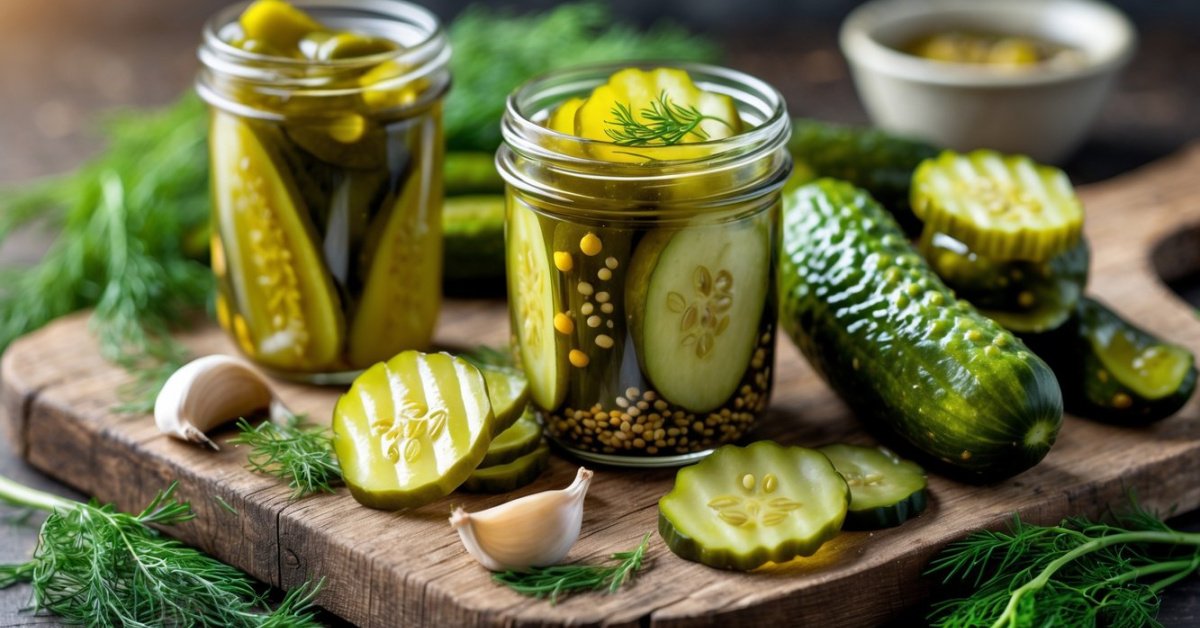
Dill pickle soup, known in Poland as zupa ogórkowa, blends brined pickles and garden vegetables into a creamy, savory broth. I use fermented cucumbers—whole or sliced—from my own crocks for the traditional base. When preparing the soup, I grate pickles to distribute tangy flavor throughout, then simmer them with potatoes, carrots, onions, and sometimes celery root. Vegetables like Yukon Gold potatoes give the soup a velvety texture if harvested fresh.
Every bowl highlights the balance between acidic pickle brine and fresh dill, with sour cream stirred in for creaminess. I find naturally fermented pickles (with only salt, water, and garlic) produce a more complex, aromatic profile than vinegar-based varieties. In Poland, zupa ogórkowa often appears at family meals in winter, using preserved harvests for sustenance and taste. This soup showcases the resourcefulness of home picklers and the richness you get when fermentation and seasonal vegetables unite.
Key Ingredients And Flavor Profile
Dill pickle soup, or Polish zupa ogórkowa, brings together home-cured pickles and basic garden staples for an unmistakable balance of tang, savoriness, and creamy depth. Every spoonful highlights how fermented vegetables can shape both a dish’s taste and texture.
Essential Ingredients
- Fermented dill pickles
Grated or finely chopped brined cucumbers, especially those pickled with garlic, fresh dill, and spices, serve as the backbone of the soup’s signature tartness. Naturally fermented pickles, not those brined only in vinegar, deliver a fruity acidity and complex depth.
- Potatoes
Cubed, starchy potatoes add body and smoothness, absorbing some tang while providing a hearty, filling base.
- Carrots and root vegetables
Carrots, and often celery root or parsnips, lend subtle sweetness and earthiness, rounding out sharp notes from the brine.
- Onions
Sautéed onions set the savory tone and boost the aromatic foundation, blending softly with garden vegetables.
- Pickle brine
A generous pour of unfiltered pickle brine amps up acidity and ensures layered, robust flavors that define authentic zupa ogórkowa.
- Fresh dill
Chopped dill, added at the end, sharpens the herbal edge and complements pickled notes.
- Sour cream
Swirled into hot soup, tangy sour cream thickens and mellows the broth, contrasting the acidity with velvety richness.
Unique Flavors And Textures
Layers of fermented tang dominate the flavor profile from the very first taste. I always notice how the pickle’s lactic acidity mingles with the brine, giving an unmistakably lively backbone. Vegetables like potato and carrot mellow that acidity, creating a creamy, harmonious texture without overwhelming the palate.
Every bowl carries the fresh scent of dill and slight garlickiness from the fermented cucumbers, grounded by the hearty ingredients from my own garden. Sour cream brings silkiness, binding the tartness of the pickles and earthy sweetness of the roots into a comforting, farm-to-table experience only true pickling and gardening can create.
Step-By-Step Cooking Process
I prepare my zupa ogórkowa with careful steps that honor the integrity of fermented pickles and homegrown vegetables. This process ensures the soup’s flavors are both tangy and well-rounded.
Preparing The Pickles And Vegetables
I grate my fermented dill pickles using the large holes of a box grater to maintain texture. I peel and dice starchy potatoes like Yukon Gold, slice carrots into thin coins, chop onions finely, and cube celery root if available. These fresh vegetables draw the brine’s flavor into every bite, so I use produce straight from my garden whenever possible. I set aside about 1/4 cup of fresh dill, chopped, to add at the very end for a burst of herbal aroma.
Cooking And Finishing Touches
I sauté onions in a large pot with a tablespoon of butter until translucent. I add in carrots and celery root, letting them soften for about 4 minutes. I pour in 6 cups of vegetable or chicken broth, then drop in potatoes and bring everything to a gentle simmer. After 10 minutes, once potatoes are fork-tender, I stir in grated pickles and half their brine, simmering for another 5 minutes to deepen the flavor.
I remove the pot from heat to avoid curdling, then blend 1/2 cup sour cream with some hot broth in a separate bowl for tempering. I pour this mix back into the soup and stir until creamy. At the end, I add my fresh dill and taste for salt, increasing with pickle brine if I want more tang. I serve zupa ogórkowa hot, garnished with extra dill for brightness.
Tips For Serving And Enjoying
I maximize the dill pickle soup experience by pairing it with classic garnishes and fresh, homemade sides. For the best results, I pay close attention to storage and reheating methods that preserve both the boldness of the pickles and the subtle garden notes.
Traditional Garnishes And Sides
- Fresh dill sprigs: I sprinkle chopped dill right before serving for a boost of aroma and a vivid green pop.
- Crusty rye bread: I serve thick slices of homemade sourdough or rye, sometimes lightly toasted, for dipping.
- Sour cream dollop: I add an extra spoonful of sour cream to each bowl so tasters can control their creaminess.
- Pickled vegetables: I place a small plate of pickled carrots, green beans, or beets on the table for extra tang and crunch.
- Hard-boiled eggs: I halve or quarter eggs and lay them in the soup for added protein and tradition.
Storage And Reheating Advice
- Storage: I cool any leftover zupa ogórkowa quickly and store it in glass or ceramic containers to avoid imparting off-flavors. I use airtight lids and refrigerate the soup for up to 3 days.
- Freezing: I freeze the soup without sour cream if I intend to keep it for up to 2 months—dairy separates and loses texture after thawing.
- Reheating: I reheat the soup gently over medium heat, stirring often, and add the tempered sour cream after removing the pot from direct heat to prevent curdling.
- Flavor check: I taste before serving since potatoes and pickled vegetables can intensify flavors over time. If the tang is too strong, I stir in a splash of broth or a bit more cream.
These steps guarantee every bowl preserves the full spectrum of pickle, garden, and cream notes central to an authentic Polish zupa ogórkowa.
Variations And Substitutions
- Fermented Pickles vs. Vinegar Pickles
I always reach for my home-fermented dill cucumbers for zupa ogórkowa, since wild fermentation releases lactic acid bacteria that deepen the pickle tang. Store-bought vinegar pickles work for extra convenience, yet produce a sharper, less layered profile. If you use vinegar pickles, add a small splash of pickle brine at the end for extra zing.
- Root Vegetables
I often swap potatoes for parsnips, celeriac, or rutabaga from my garden when I want earthier undertones. Parsnips bring mild sweetness, while celeriac makes the broth pleasantly aromatic.
- Broth Options
I prefer simmering my own chicken or pork broth for satisfying body, but vegetable stock yields a lighter, vegetarian-friendly soup. For umami, add a spoonful of dried mushroom powder or toss in a dried porcini or two.
- Dairy-Free Alternatives
I like stirring in cashew cream or full-fat coconut milk as substitutes for sour cream when serving dairy-free guests. Lemon juice and fresh dill boost the vibrancy, compensating for the missing tang from cultured dairy.
- Pickle Type
I sometimes use spicy garlic dills or coriander-spiced pickles when experimenting with bolder notes. Baby dill pickles, bread-and-butter pickles, or even pickled green tomatoes give unique spins, though each influences the overall flavor depth.
- Protein Additions
I occasionally stir in shredded leftover chicken, smoked sausage slices, or diced ham to make zupa ogórkowa heartier during cold months. Protein infuses the broth with smoky-salty-sweet umami.
- Grain Variations
I sometimes add pearl barley or cooked rice to bulk up the soup—barley softens the tang, while rice soaks up brine and broth alike.
| Variation | Substitution Example | Effect On Soup Flavor |
|---|---|---|
| Fermented Pickles | Vinegar pickles + brine splash | Sharper, simpler tang |
| Root Vegetables | Parsnip, celeriac, rutabaga | Earthy, sweet aromatic notes |
| Broth | Mushroom powder, veg broth, pork stock | Umami depth or vegetarian-friendly |
| Dairy-Free | Cashew cream, coconut milk, lemon | Creamy, bright, less tang |
| Pickle Type | Garlic dill, bread-and-butter, tomatoes | Unique twists, flavor complexity |
| Protein Additions | Shredded chicken, smoked sausage, ham | Hearty, smoky, savory notes |
| Grain | Pearl barley, rice | Thickens soup, absorbs flavor |
Final Thoughts On Dill Pickle Soup: Polish Zupa Ogórkowa Recipe
My long experience with pickling and gardening deepens my appreciation for zupa ogórkowa’s complexity. Every ingredient in this soup, from fermented pickles to homegrown carrots, carries the story of careful preservation and seasonal abundance. Pickle brine transforms a simple potato-vegetable base into a tangy-satisfying bowl that stands out among traditional soups.
Polish dill pickle soup emphasizes the versatility of fermentation. Fermented dill pickles, compared to vinegar-cured versions, lend a nuanced depth and lively acidity that I find unmatched. When preparing pickles for this recipe, I use only whole, naturally fermented cucumbers, preferably from summer’s late harvests when flavor peaks. These pickles deliver the robust lactic tang that defines authentic ogórkowa.
I love how this soup allows the pickles to shine without overwhelming the garden-fresh vegetables or rich stock. By grating the pickles and stirring in brine, I ensure bold flavor infuses each spoonful. Potato, carrot, and onion contribute sweet, earthy undertones, rounding the dish. Fresh dill and a swirl of sour cream amplify the brightness and silkiness, celebrating both the garden and the cellar.
Sharing zupa ogórkowa connects me with generations of Polish cooks who value sustaining traditions through home-pickled ingredients. For pickling enthusiasts exploring ways to highlight their craft, this recipe encourages creativity with seasonings, textures, and even alternative root vegetables or proteins. Even if you rarely cook with pickles, zupa ogórkowa demonstrates their far-reaching culinary potential beyond sandwiches and snacks.
By serving this soup in my home, I showcase the sustainable joy of transforming preserved garden produce into comforting, flavorful meals. Few dishes honor the artistry of pickling, gardening, and home cooking as authentically—or deliciously—as Polish dill pickle soup.
Conclusion
Every time I make a pot of zupa ogórkowa I’m reminded of the magic that happens when simple ingredients come together with a bit of care and tradition. There’s something special about the way this soup brings out the best in humble vegetables and preserves.
If you’re craving something cozy and a little different I hope you’ll give dill pickle soup a try. It’s a dish that warms the heart and sparks curiosity—one spoonful at a time.