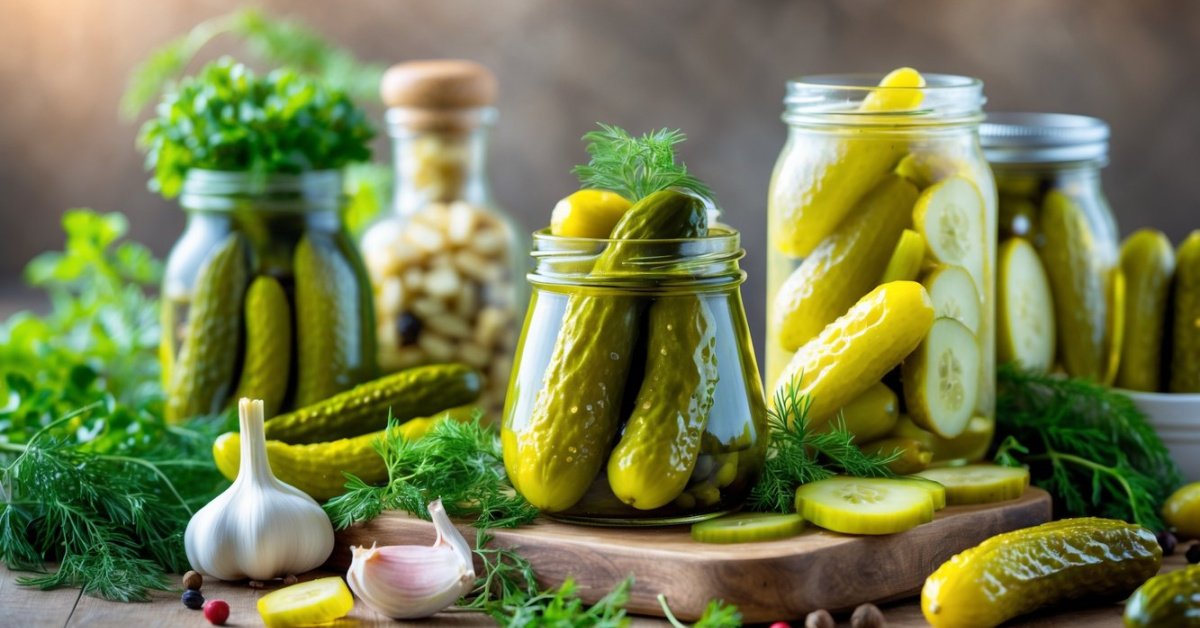
I’ve always loved the classic comfort of warm cornbread but sometimes I crave a little twist. That’s when the idea of adding pickles hit me—why not bring a tangy kick to this Southern staple? The result is a playful, unexpected flavor that keeps everyone coming back for more.
If you’re a fan of bold tastes or just looking to shake up your usual side dish routine you’re in for a treat. This pickle-infused cornbread delivers the perfect balance of savory and tart in every bite. Trust me once you try it you’ll never look at cornbread the same way again.
What Makes Pickle-Infused Cornbread Unique
Flavor infusion from pickles changes cornbread in several ways. Brine imparts tanginess, which creates contrast against the mild sweetness of cornmeal. Diced pickles add salty crunch, which enhances texture and breaks up the crumb. Spices in pickle juice—like dill, mustard seed, or garlic—complement savory notes in the bread, which brings more depth than standard buttermilk or milk.
Brining liquid introduces moisture along with flavor. Cornbread often dries out quickly, but adding pickle brine helps maintain tenderness for longer, since acids slow down staling. Home-pickled cucumbers, okra, or peppers bring nuanced flavors, depending on the pickling blend. For instance, my homemade garlic-dill brine gives bright, herbal notes, while bread-and-butter pickle juice lends sweetness.
Pickle-Infused Cornbread matches well with barbecue, chili, or greens. The vinegar tang helps to cut through richness in smoked or braised dishes, which elevates the overall meal. Pickling lets me use preserved ingredients from my own garden, creating a direct link between homegrown produce and baking—making the dish feel both resourceful and flavorful.
Key Ingredients for Pickle-Infused Cornbread
Pickle-infused cornbread starts with specific ingredients that highlight the tangy, savory elements pickles bring to classic recipes. I combine these flavorful components to create a cornbread that celebrates both homegrown pickles and homemade comfort.
Choosing the Right Pickles
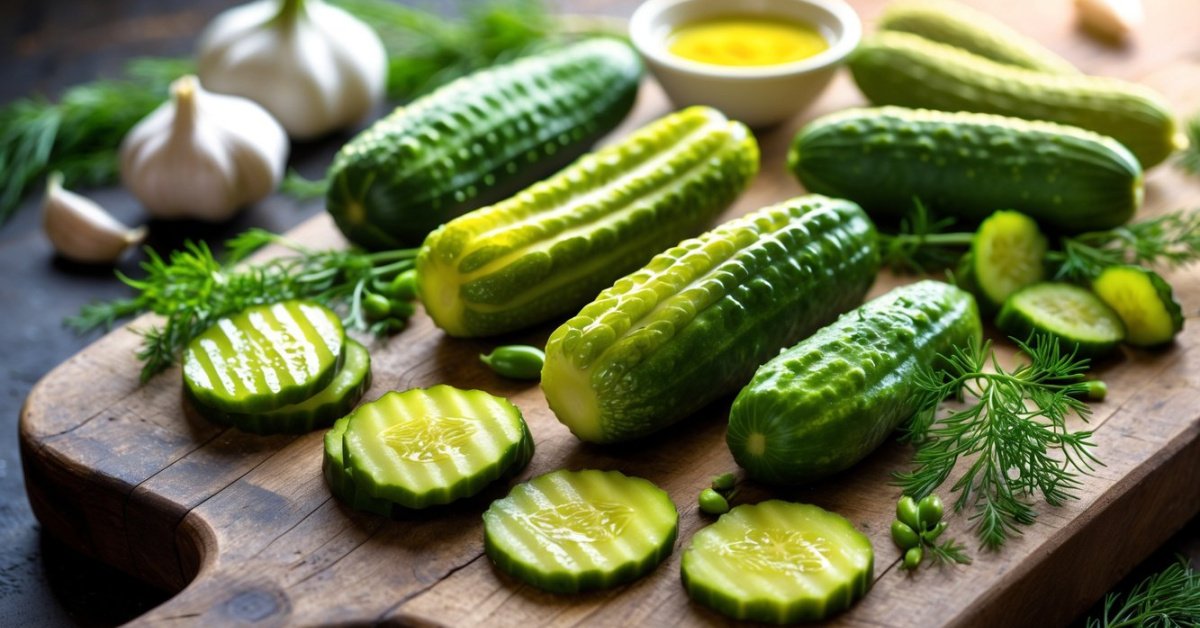
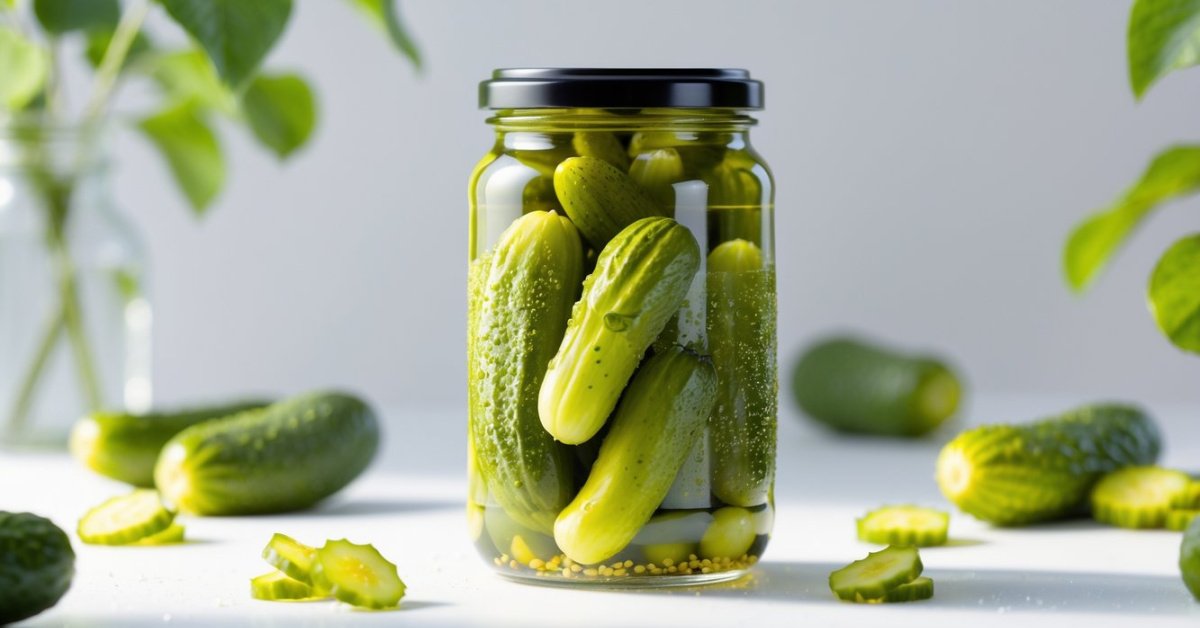
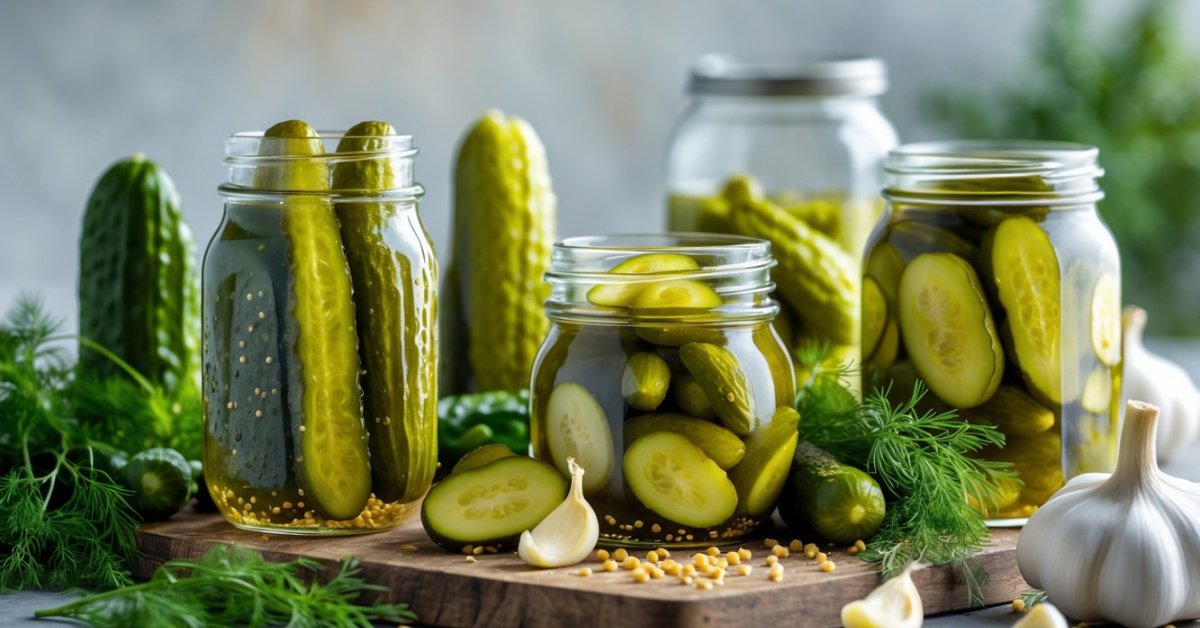
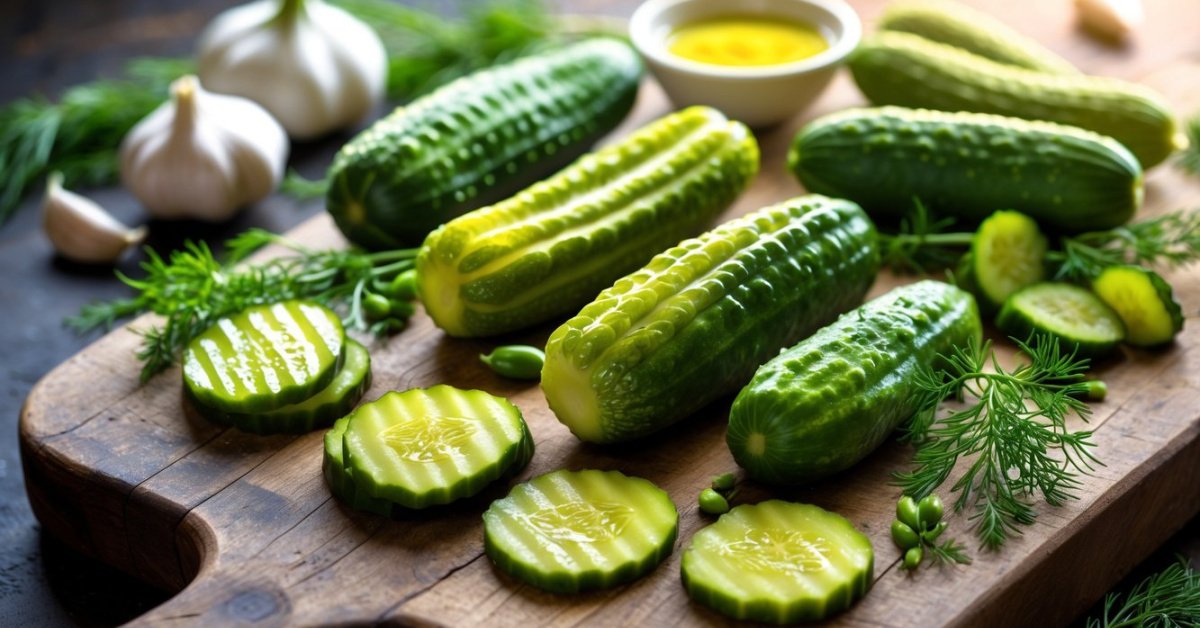
Dill pickles, bread-and-butter pickles, and spicy garlic pickles each lend distinct character to cornbread. I select firm, crisp pickles from my latest home canning batches to ensure the best crunch. I find that homemade pickle brine—rich with fresh garden dill, garlic, and coriander—intensifies the cornbread’s aroma and flavor more than any store-bought option. Chopped pickles measuring 1/3–1/2 cup add tang and texture, while 1/4 cup of well-seasoned brine amplifies moisture and savory notes.
Cornmeal and Other Essentials
Stone-ground yellow cornmeal creates hearty structure and earthy flavor in every batch. I use 1 cup of organic cornmeal from my local mill for identifiable grain and sweetness. All-purpose flour balances the texture, while farm-fresh eggs promote rise and moisture. Buttermilk or whole milk adds subtle tang, echoing the acidity of pickle brine. Baking powder, salt, and a hint of sugar round out the base. When possible, I choose ingredients from my own pantry or garden to maintain freshness and support a sustainable kitchen.
Step-by-Step Pickle-Infused Cornbread Recipe
I rely on simple steps and trusted ingredients to achieve the tangy, savory kick I love from homemade pickles in every bite of this cornbread. Drawing from years spent in my garden and kitchen, I crafted these methods to help you highlight real pickle character for standout results.
Preparation Tips
- Select brine and pickles with bold flavor—my go-to is crunchy dill with plenty of garlic and aromatic seeds. I dice ½ cup of pickles into small, even pieces for consistent texture throughout the batter.
- Measure out ¼ cup of brine for the wet mix—strong pickling liquid offers both sharpness and moisture. If pickles are particularly salty, I reduce added salt in the recipe by a quarter.
- Use fresh stone-ground cornmeal and locally milled all-purpose flour. Fresh ingredients allow the earthy notes to shine against the lively tang of the pickles.
- Whisk eggs and buttermilk until creamy. Slow, gentle mixing after adding wet to dry preserves air bubbles for a tender crumb.
- Line an 8-inch cast-iron skillet with a touch of unsalted butter. This yields a crispy edge that supports diced pickle bits.
- Gently fold in diced pickles last, just before pouring into the skillet—overmixing crushes texture and dulls the brine’s punch.
Baking Instructions
- Preheat the oven to 400°F and place the skillet inside while it heats. The hot pan ensures fast searing once batter meets metal—key for golden color and a sturdy bottom.
- Pour prepared batter into the skillet, making sure pickles remain evenly spread. I shake the pan just once to settle the mix.
- Bake uncovered for 20–25 minutes, or until the top appears golden and a toothpick inserted in the center comes out clean.
- Rest cornbread in the skillet for five minutes after baking. This lets moisture distribute and prevents crumbling.
- Lift out and serve warm, sliced thick, with extra pickles on the side. I store leftovers wrapped in parchment, so the brined tanginess stays vivid and the crumb holds its structure.
With this approach, pickle-infused cornbread captures the essence of garden-to-table pickling and delivers dependable, zesty flavor in every slice.
Taste and Texture: Review and Impressions
Pickle-infused cornbread brings a bold interplay of flavors and textures that highlights my passion for creative pickling. Every element draws on my experience in the garden and kitchen, connecting the cornbread to the heart of artisan pickling.
Flavor Profile
Tangy notes from homemade dill brine anchor the flavor profile, giving each bite of cornbread a distinct pop. Mild sweetness from the cornmeal balances out the salt and sour, keeping flavors harmonious. Pickle pieces—especially if they’re hand-fermented—release bursts of herbal notes from dill, garlic, and peppercorns. I taste a layered complexity rare in ordinary quick breads. When paired with chili or smoked meats, pickle-cornbread stands up to rich umami, cutting through heaviness while refreshing the palate.
Texture and Moistness
Moist crumb comes from the brine, which locks in tenderness and prevents dryness common in traditional cornbread. My favorite home-pickled cucumber chunks add an unmistakable crispness—each slice offers a slight crunch followed by a smooth, buttery bite. Using stone-ground cornmeal ensures hearty structure, so the bread holds together well for slicing or serving. Served warm from the skillet, the edges turn golden and crisp, creating a satisfying contrast to the soft, moist interior. These qualities together make pickle-infused cornbread a unique, memorable contribution to any spread focused on sustainable home pickling.
Serving Suggestions and Pairings
Pickle-infused cornbread brings a bright, tangy profile that easily elevates most hearty spreads. I serve it cut into squares, still warm from my cast-iron skillet, which lets the briny aroma mingle with the earthiness from stone-ground cornmeal.
- Chili and Stews
I pair pickle-infused cornbread with rich chili, smoked brisket stew, or pinto bean soup. The vinegar notes from my home-fermented brine cut through heavy flavors and reset the palate between bites.
- Greens and Fresh Vegetables
I offer it alongside sautéed collard greens, mustard greens, or a salad of garden-grown cucumbers and tomatoes. The salt and crunch from my pickled cucumbers add contrast to the soft, wilted greens.
- Barbecue Meats
I serve thick slabs with backyard barbecue—pulled pork, chicken thighs, or smoked jackfruit. The gentle sourness from dill brine harmonizes with smoky, caramelized crusts and helps balance oily richness.
- Spreads and Dips
I enjoy this bread with soft cheeses—herbed chèvre or whipped feta—and spread on crisp slices for appetizers. When I host, I set out house-made pickled vegetable relishes and spicy mustards for dipping.
- Eggs at Brunch
I make it the centerpiece for late-morning brunches, with farm-fresh scrambled eggs, home-cured bacon, and homemade pickled jalapeños. The tang from the pickle brine accentuates creamy yolks.
Pickle-infused cornbread works best at gatherings focused on fresh, preserved produce. My pantry staples like homemade pickled okra, dilly beans, and lacto-fermented peppers always appear nearby, each playing off the unique flavors in the bread.
Pros and Cons of the Pickle-Infused Cornbread Recipe
Pros
- Flavor Depth
Pickle-infused cornbread offers bold tang, herbal complexity, and savory richness, especially when I use my own home-pickled dill cucumbers and spiced brine.
- Moisture Retention
Brine maintains a tender crumb and keeps the bread moist longer than traditional recipes, with notable results when I use brines high in vinegar content.
- Textural Contrast
Diced pickles provide a satisfying crunch and contrast to the soft, golden crumb, creating varied texture in each slice.
- Pairing Versatility
Bright vinegar notes and fresh dill undertones in this cornbread complement hearty stews, smoked meats, or garden greens, showcasing my pickling skills with every pairing.
- Sustainability
This recipe lets me highlight homegrown, preserved produce, using excess pickles and brine to reduce waste and support a self-sustaining kitchen.
Cons
- Flavor Polarization
Distinct pickle tang might overpower subtle palates or those new to fermented flavors, limiting universal appeal, especially in larger gatherings.
- Textural Adjustments
Pickle chunks can affect crumb uniformity, leading to dense or soggy spots if I’m not careful with brine measurements or pickle moisture content.
- Salt Balance
Using brine and pickled vegetables complicates sodium control, often requiring recipe adjustments for those watching salt intake.
- Ingredient Variability
Homemade pickles and brines vary in acidity and seasoning, so recreating identical results between batches can challenge even experienced picklers like me.
- Shelf Life
Increased moisture from brine may shorten the bread’s counter shelf life, so I recommend prompt consumption or refrigeration.
Conclusion
Trying out pickle-infused cornbread has been such a fun adventure in my kitchen. I love how a simple twist can turn a familiar favorite into something totally unexpected and memorable. If you’re looking for a side dish with a bit of personality this recipe might just surprise you.
I hope you’ll give it a try and let your own creativity shine with your favorite pickles and spices. There’s something so satisfying about using what you’ve grown or preserved at home to make a dish that stands out at any meal.