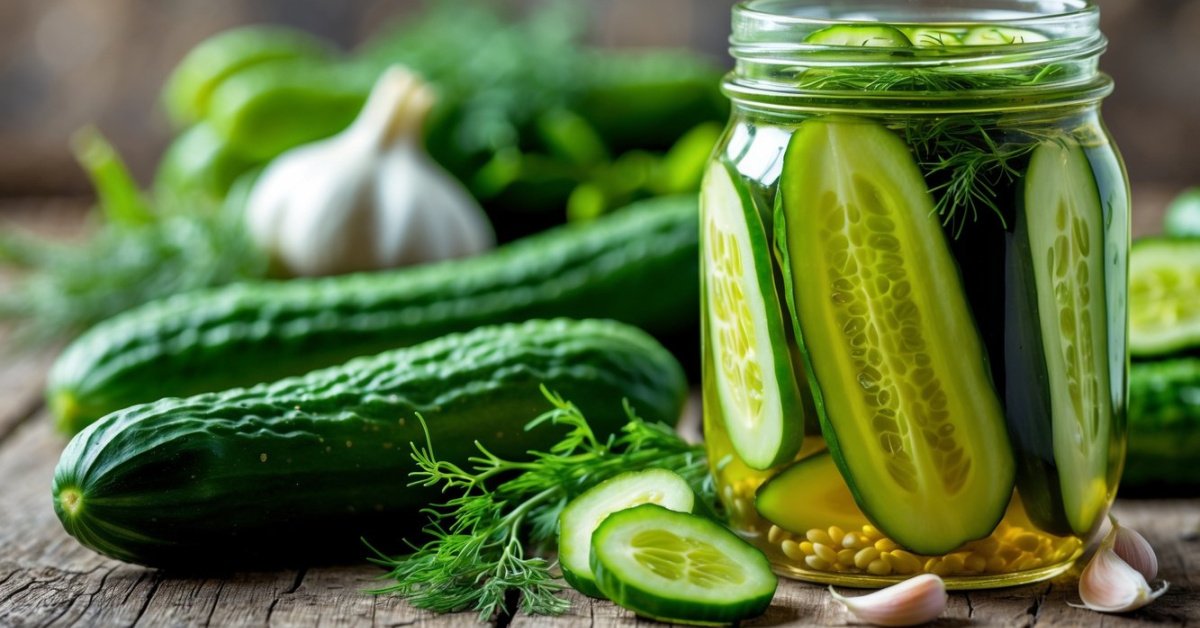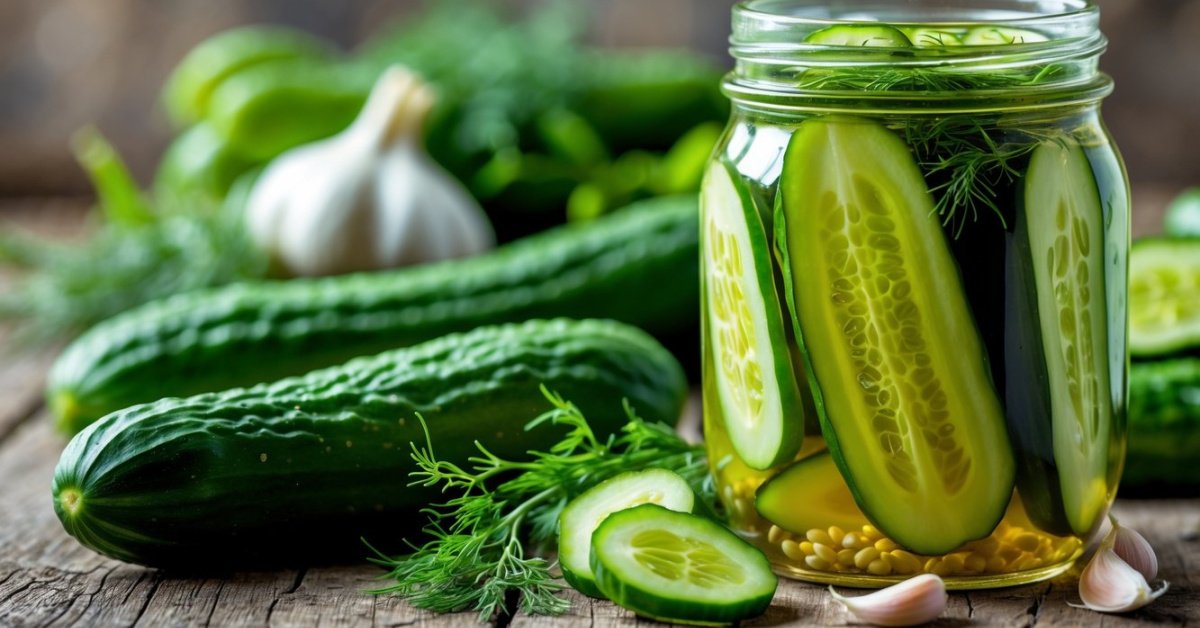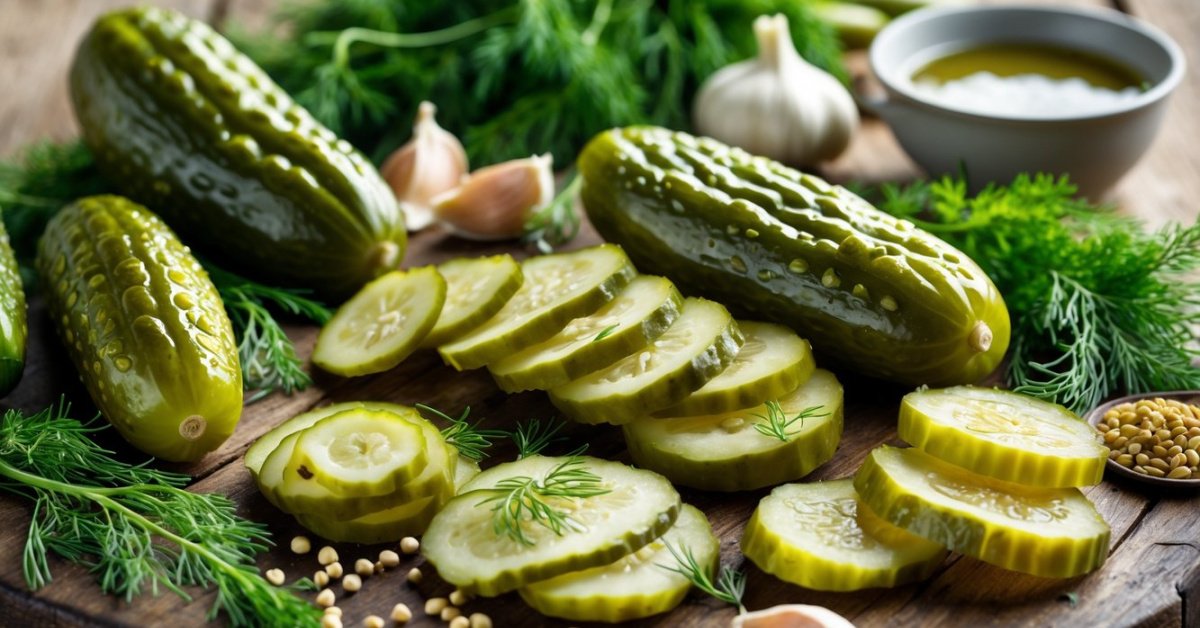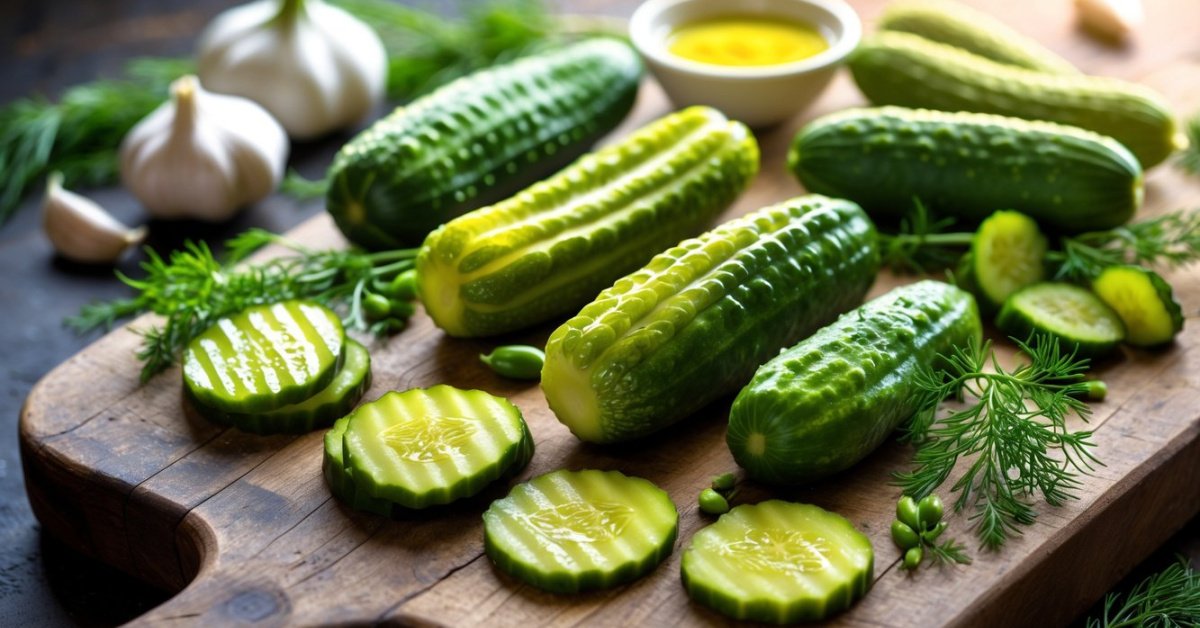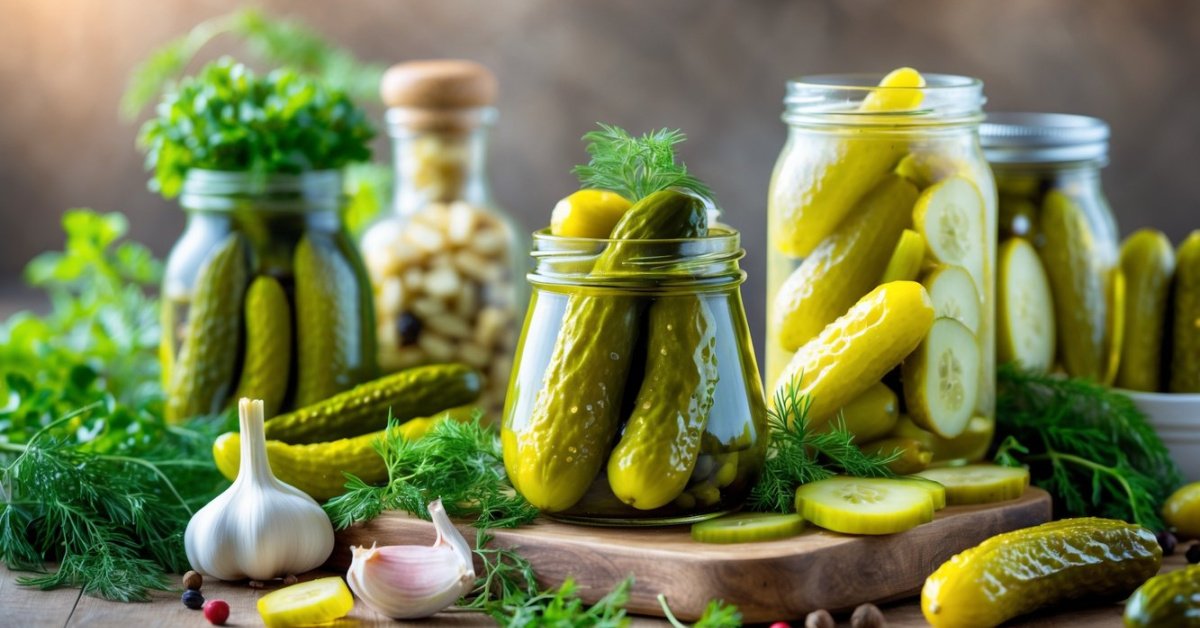
When I think about ancient Egypt, my mind usually jumps to towering pyramids and golden treasures. But tucked away in their daily lives was something far more ordinary yet surprisingly important—pickles. These tangy treats weren’t just for commoners; even the mighty pharaohs enjoyed them at their lavish feasts.
I’m fascinated by how pickling became an art in ancient Egypt, blending flavors and preserving harvests for leaner times. It’s amazing to realize that behind the grandeur of the Nile’s rulers, there were simple pleasures like pickled vegetables that brought a burst of flavor to their tables. Who knew that something as humble as a pickle could have such a royal history?
The Origins of Pickling in Ancient Egypt
Pickling first appeared in ancient Egypt over 4,000 years ago, according to records found in hieroglyphs on tomb walls and temple reliefs. I see these references to pickled cucumbers and onions in the Nile Delta, where intensive gardening supported large-scale vegetable production. Ancient Egyptians preserved vegetables with salt and vinegar solutions, extending shelf life during the heat of summer and safeguarding harvests for winter storage.
Evidence from pyramid texts and storage jars recovered in Giza shows that pickling served not just as practical food preservation but also as part of ritual offerings to pharaohs and gods. Commoners and royalty alike enjoyed pickled melons, cabbage, and roots to enrich meals and maintain food security through annual Nile floods. Ancient texts and archaeological finds, such as preserved amphorae from burial chambers, connect the origins of pickling in Egypt to both region-specific crops and elaborate ceremonial feasts.
Trade with neighboring regions introduced new ingredients and techniques. Merchants who traveled along the Mediterranean and up the Nile brought salt and spices, shaping the distinctive flavors in early Egyptian pickles. This cultural exchange expanded the range of vegetables preserved and popularized pickling throughout Upper and Lower Egypt.
Cultural Significance of Pickles for Pharaohs
Pickles in ancient Egypt carried deliberate meaning at the royal table. I see pickling as more than preservation—it’s tradition connected to pharaohs and the rhythms of palace life.
Pickled Foods in Royal Banquets
Pickled vegetables, including cucumbers, onions, and radishes, occupied central spots in royal banquets. I recognize from temple carvings and preserved lists that pharaohs enjoyed platters loaded with brined onions and spiced cucumbers. Royal cooks displayed skill in blending native herbs and salt, achieving complex sour flavors suited for the tastes of the elite. High-ranking guests sampled these preserved foods at celebratory feasts, where pickles balanced rich meats and complemented sweet dates. Texts from the tomb of Mereruka refer to pickled dishes appearing at harvest and religious feasts.
Symbolism and Ritual Uses
Pickled foods took on symbolic meaning during burial rituals and temple ceremonies. I’ve observed that Egyptians offered jars of pickled vegetables to the gods and deceased pharaohs, reflecting eternal sustenance. Records, such as those from the tomb of Tutankhamun, document sealed jars of preserved produce laid beside the king, representing an abundance that could last beyond death. Priests included pickled onions and garlic in offerings, believing the strong smell warded off evil and signaled purity. These practices linked the act of pickling to spiritual protection and ensured the pharaoh’s continued nourishment in the afterlife.
Pickling Techniques and Ingredients
Pickling in ancient Egypt blended practicality with culinary tradition. I find the details of these age-old techniques both fascinating and relevant to modern pickling enthusiasts.
Commonly Pickled Foods
Ancient Egyptians pickled several vegetables and fruits to enhance meals and preserve harvests. Cucumbers, onions, and garlic formed the backbone of most pickling, often appearing in tomb offerings and banquet records. Turnips and radishes joined the list, especially in regions near the Nile Delta where root crops thrived. Cabbages and dates featured in specialty pickles prepared for elite tables, according to chemical analyses from Old Kingdom burial jars. Herbs like dill and coriander, both cultivated in household gardens, flavored many pickled foods and contributed to the complexity of imperial recipes.
Methods and Preservation Practices
Egyptian pickling methods relied on brining and fermenting to safeguard foods during the flood season. I note that salt sourced from desert mines and natron—an alkali salt found along the Nile—preserved vegetables by drawing out moisture. Vinegar-like solutions, created through fermentation of barley or grapes, produced acidic environments ideal for long-term storage. Large ceramic jars with tightly sealed lids played a crucial role. Pottery fragments uncovered from Luxor sites show resin-coated interiors to stop air and pests from reaching the pickles.
Spices such as cumin, mustard seed, and fenugreek guarded against spoilage while adding flavor. People stored preserved foods in cool underground chambers or shaded storerooms inside homes and temples. Written directives from royal stewards emphasized rigorous cleaning of produce before brining, a practice I always insist on for garden-harvested pickles. The refinement and care given to these ancient processes continue to influence how I approach homemade pickling in my own kitchen.
Archaeological Evidence and Historical References
Archaeologists and historians uncovered a wealth of evidence proving that pickled foods held an important place in ancient Egyptian life. I find the blend of preserved physical artifacts and detailed records essential for tracing pickling’s long lineage in Nile culture.
Discoveries in Tombs and Temples
Excavations in royal tombs revealed sealed ceramic jars filled with pickled vegetables, including onions, cucumbers, and garlic. At sites like Tutankhamun’s tomb, researchers cataloged dozens of these jars, with residues matching pickling brine and spices such as coriander and dill. Reliefs inside burial temples depicted food offerings for the afterlife—several show containers labeled with hieroglyphs for preserved or brined produce. Many temple storerooms also produced brine-stained pottery fragments, proving frequent use for food storage. These finds connect the art of pickling directly to both sustenance and ritual, showing ancient Egyptians valued these methods as staples and spiritual offerings.
Mentions in Ancient Texts and Art
Written records and wall paintings reference the pickling craft throughout Egypt’s long history. Carvings and tomb murals from Saqqara and Thebes illustrate scenes of gardeners harvesting, brining, and storing vegetables in large lidded vessels. Papyrus scrolls such as the Ebers Papyrus mention recipes for brined onions and herbal pickling liquids, describing preservation for both daily meals and religious offerings. Inventories from workers’ villages detail rations of pickled produce distributed to laborers, noting precise quantities—like barrels of pickled radish and turnip allocated for seasonal workers. Artifacts and documents together show that pickling permeated Egyptian life, on both humble and royal tables, and in the memories they chose to immortalize.
Influence of Ancient Egyptian Pickles on Later Civilizations
Ancient Egyptian pickling techniques set a standard that influenced Mediterranean and Middle Eastern food preservation for centuries. I see evidence of these influence vectors in Greek and Roman sources, where writers describe brined and spiced vegetables similar to those once entombed with pharaohs. Greeks adopted many Egyptian methods, using brine, vinegar-like solutions, and herbs such as dill, to preserve cucumbers and onions for meze platters and everyday meals. Romans expanded this tradition, referencing Egyptian pickling practices in agricultural texts and adopting ceramic jars for their garum and vegetable preserves.
Trade across the Nile Delta and eastern Mediterranean spread these preservation skills even further. Phoenician merchants, for example, carried preserved vegetables along established sea routes. Early Jewish dietary laws and Mesopotamian recipes reference fermented or brined vegetables, reflecting Egyptian culinary traits. These culinary networks created a lasting cross-cultural exchange, with Egyptian-style pickling taking root from North Africa to Asia Minor.
My passion for gardening and self-sustaining food mirrors ancient Egyptian integration of agriculture and pickling. Through centuries, pickling safeguarded harvests and provided variety during lean months. Techniques first refined by Egyptian gardeners and cooks remain essential to modern homesteads and pantries. Today, when I prepare jars of brined cucumbers or spiced onions, I echo processes formed millennia ago, linking garden harvests and creative food storage in a tradition that’s both practical and rich with history.
Conclusion
Exploring the world of pickles in ancient Egypt has given me a new appreciation for how food connects us to history. It’s amazing to think that something as humble as a pickled onion once graced the tables of pharaohs and played a part in sacred rituals.
Next time I reach for a jar of pickles, I’ll remember the hands that crafted these flavors thousands of years ago and the stories sealed in every brined bite. Ancient Egypt’s love for pickled foods reminds me that culinary traditions can truly stand the test of time.