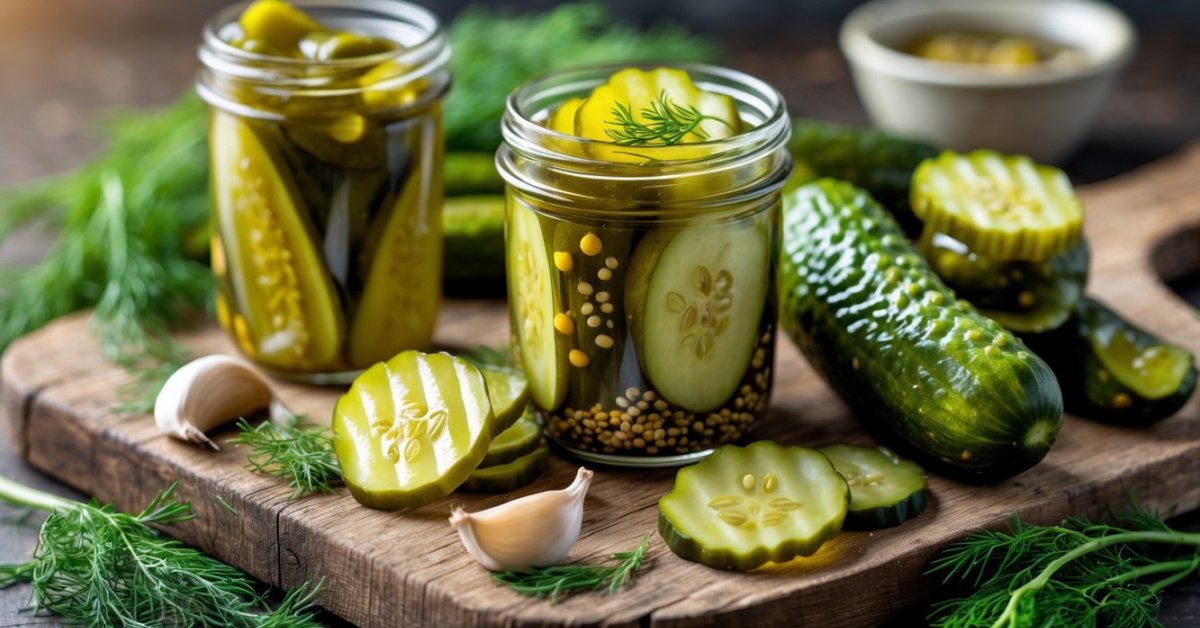
Whenever I think about Japanese meals, I can’t help but picture a small dish of crunchy pickles sitting next to the main course. Tsukemono, or Japanese pickles, add a burst of flavor and a satisfying crunch that make every bite more interesting. They’re simple yet pack a punch, balancing out rich or savory dishes perfectly.
I love how easy it is to whip up a batch of quick cabbage pickles at home. With just a handful of ingredients and a few minutes of prep, I get to enjoy that classic tang and freshness any time I want. If you’re curious about adding a little Japanese flair to your meals, this recipe is a great place to start.
What Are Japanese Tsukemono?
Japanese tsukemono are pickled vegetables created with fermentation, salt curing, or quick brining methods. Common tsukemono examples include cabbage, daikon, cucumber, and eggplant. I prize tsukemono for their sharp, crisp texture and distinct umami from techniques like lacto-fermentation and koji-rice pickling. These pickles give balance to rice, grilled fish, and soups, as every Japanese meal uses small portions to refresh the palate.
In my experience, tsukemono support self-sufficiency. I harvest homegrown vegetables at their peak, then preserve their nutrients and flavors for months. Salt, vinegar, and rice bran prevent spoilage without refrigeration. Tsukemono bring color and nutrition to any meal, making them a staple in my pickling routine.
Why Try a Quick Cabbage Pickle Recipe?
Quick cabbage pickle recipes offer immediate enjoyment for anyone interested in pickles and pickling. I consistently choose quick pickles like tsukemono because they lock in cabbage’s texture and vibrancy, unlike fermentations that mellow crunch and color. Quick brining captures peak flavor from just-harvested cabbage, especially when I pick from my own garden.
Minimal ingredients make cabbage tsukemono approachable for beginners and essential for home gardeners seeking ways to preserve surpluses. Salt, cabbage, and a few pantry items yield crisp, tangy slices in less than an hour—no long wait or special equipment needed.
Versatility makes quick cabbage pickles stand out compared to other pickled vegetables. I pair them with rice bowls, grilled meats, noodles, and salads. If guests visit unexpectedly, I prepare a fresh batch on the spot, enhancing any spread with tartness and color.
Self-sufficiency drives my pickling routine. I avoid food waste by transforming oversized cabbages—like those grown in June or October—into easy snacks and garnishes. With quick pickling, I enjoy seasonal harvest flavors year-round, supporting sustainable food practices without sacrificing convenience or taste.
Essential Ingredients and Tools
Cabbage, salt, and seasonings make up the foundation for quick Japanese tsukemono pickles. I start with firm green cabbage since its crunch holds up to quick brining. Fine sea salt draws out moisture and seasons evenly, keeping flavors balanced. For classic tsukemono flavor, I add sugar and rice vinegar. Including sliced chili or shredded kombu (kelp) deepens the umami, giving pickles bold notes.
Freshness matters most in pickling, so I gather my cabbage straight from the garden or market. I cut away tough cores, using only the crisp leaves. In my kitchen, I prefer fine grain Japanese sea salt and a mild rice vinegar to keep the flavor profile light. Sometimes I toss in yuzu zest, ginger, or toasted sesame seeds for unique aroma and color, depending on the season.
Basic but reliable equipment streamlines the process. I use a large non-reactive bowl (glass or stainless steel) for salting and massaging cabbage. A sharp chef’s knife makes quick work of slicing the leaves to the perfect thickness—about 1/2 inch for texture. For quick pickles, I rely on a heavy plate and small can to press excess liquid from the cabbage, rather than a traditional pickle press. Clean jars with tight lids let me chill and store the pickles immediately.
These essentials let me pickle creatively year-round using veggies from my garden or seasonal hauls.
Step-By-Step Guide to Making Japanese Tsukemono: Quick Cabbage Pickle
Making quick Japanese cabbage pickles unlocks crisp, tangy flavors in under an hour. I rely on simple steps and minimal equipment, so anyone interested in pickling can start right away.
Preparing the Cabbage
I start by selecting a dense, fresh green cabbage, ideally from my garden or a trusted local source. I remove any outer leaves with blemishes or tough stems, then slice the cabbage in half and cut out the core. I shred the cabbage into thin ribbons, aiming for even thickness to ensure consistent pickling. I weigh the cabbage for accurate seasoning, using 500 grams for a small batch.
Mixing and Seasoning
I combine the shredded cabbage with 10 grams of fine sea salt and 4 grams of sugar directly in a non-reactive mixing bowl. I use light pressure with my hands, massaging the salt and sugar into the cabbage for 2–3 minutes until the cabbage softens and starts to release moisture. For added complexity, I mix in optional flavorings—thin chili slices for heat, julienned ginger for zing, strips of kombu for deeper umami, or a pinch of yuzu zest for brightness. I make sure each addition is evenly distributed.
Pickling Process
I press the seasoned cabbage down with a plate or small weight fitted to the bowl to help draw out excess liquid. I let the cabbage sit at room temperature for 30–40 minutes, tossing it once halfway for an even brine. After the wait, I taste for balance—if it’s sharp enough, I drain off excess liquid and briefly rinse if a milder flavor’s needed. I pack the cabbage tightly into a clean jar and cover it with a splash of rice vinegar for quick acidity. The tsukemono is ready to serve immediately, though a short spell in the fridge further develops the flavor and crunch. I often enjoy it within the same day alongside rice, grilled fish, or miso soup.
Tips for Perfect Japanese Tsukemono Every Time
- Quality vegetables: I always start with crisp, fresh cabbage from my garden or farmers’ market. Bruised or wilted leaves turn soggy in the brine.
- Even salt coverage: I toss salt evenly across every shred, massaging until the cabbage softens and releases moisture. This step ensures quick, thorough curing and prevents bland patches.
- Correct salt ratio: I stick to a ratio of about 2% salt per cabbage weight (e.g., 10g salt for 500g cabbage). More salt draws out water fast and boosts crunch; less salt risks mushiness.
- Optional seasonings: I experiment with Japanese accents like ginger slices, chili flakes, or yuzu zest for aroma, but keep the base simple for flexible pairings.
- Uniform cutting: I shred cabbage into uniform strips, about 1/4-inch wide, to ensure consistent texture and brine penetration.
- Gentle mixing: I handle the cabbage gently after adding salt to avoid bruising, which maintains structure and color.
- Proper weighting: I press cabbage with a small plate or bag of water during brining, which helps it stay submerged and remain crisp.
- Short brining time: I taste after 30 minutes and adjust timing — up to 1 hour — so the pickle stays vibrant, not limp.
- Clean storage: I pack finished pickles in clean, airtight jars and chill them. This keeps flavors lively for up to five days and avoids off-flavors.
- Serving tips: I rinse off excess brine before serving. I plate tsukemono in small dishes as palate cleansers alongside rice or grilled foods.
These habits keep my Japanese quick pickles bright, crisp, and deeply satisfying every time.
Serving Suggestions and Pairings
Pairing quick cabbage tsukemono with staple Japanese dishes highlights every meal. I mostly serve my pickles with steamed rice and miso soup since their crisp texture and mild acidity brighten the grains and create a balanced taste with the soup’s earthiness. Plating the pickles alongside grilled mackerel or salmon adds a fresh contrast to fatty or smoky fish, making each bite cleaner and lighter.
Layering cabbage tsukemono into lunchboxes or bento makes homemade meals look vibrant and keeps the palate refreshed between flavors. I tuck a few pieces next to tamagoyaki or karaage, which helps cut through richer protein dishes and delivers a crunchy, tangy accent. Offering them as a small appetizer with sake or green tea encourages guests to nibble and chat, letting the sharp flavor open their appetite.
Combining pickled cabbage with ramen, soba, or udon delivers added texture and a quick hit of acid that balances brothy or saucy meals. I sprinkle finely chopped tsukemono over cold noodle salads—especially in summer—to boost both visual appeal and cooling effect. Using a bowl of cabbage pickles as a palate cleanser allows heavier meals, like pork tonkatsu or curry, to finish on a lighter, cleaner note.
Setting up a small pickles side dish bar at gatherings inspires creativity. I add sliced chilies, strands of kombu, or fresh garden herbs to each batch, displaying different flavors for sampling. Guests enjoy tasting these variations and often discover new favorite pairings.
Below, I’ve listed classic pairings and ideas to maximize every batch:
| Dish | Reason for Pairing | Example Combination |
|---|---|---|
| Steamed Rice | Subtle sweetness complements the pickle’s tang and saltiness | White rice with cabbage tsukemono |
| Miso Soup | Crunchy texture offsets the smoothness of soup broth | Miso soup, tofu cubes, quick pickles |
| Grilled Fish | Tartness cuts oil, adding freshness to each bite | Salmon fillet, tsukemono garnish |
| Bento (Lunchbox) | Color and texture boost visual appeal and reduce flavor fatigue | Rice, karaage, tamagoyaki, cabbage pickles |
| Ramen/Udon/Soba | Bright flavor balances heavy broths or starchy noodles | Shoyu ramen with cabbage tsukemono |
| Sake or Green Tea | Light acidity enhances drink flavors and serves as a delicate appetizer | Chilled sake, small dish of quick pickles |
| Curry or Fried Foods | Pickle sharpness refreshes the palate between rich, spiced or deep-fried bites | Chicken katsu, rice, cabbage pickles |
| Mixed Pickle Platter | Guests sample diverse quick pickles with different herbs, spices, or citrus for variety | Cabbage, radish, cucumber tsukemono |
Displaying pickles in small ceramic dishes keeps the meal authentic. I pick my freshest cabbage and homegrown seasonings, adjusting each batch to match the meal’s mood and my guests’ tastes. This approach keeps every serving fresh, seasonal, and satisfying.
Conclusion
There’s something truly rewarding about transforming simple cabbage into a vibrant tsukemono that brightens any meal. I love how this quick pickle recipe lets me enjoy the flavors of Japan with minimal effort and maximum freshness.
Whether you’re new to Japanese cuisine or just looking for a fun way to use up extra cabbage, this method brings a burst of flavor to your table. I hope you’ll give it a try and discover just how easy and satisfying homemade pickles can be.