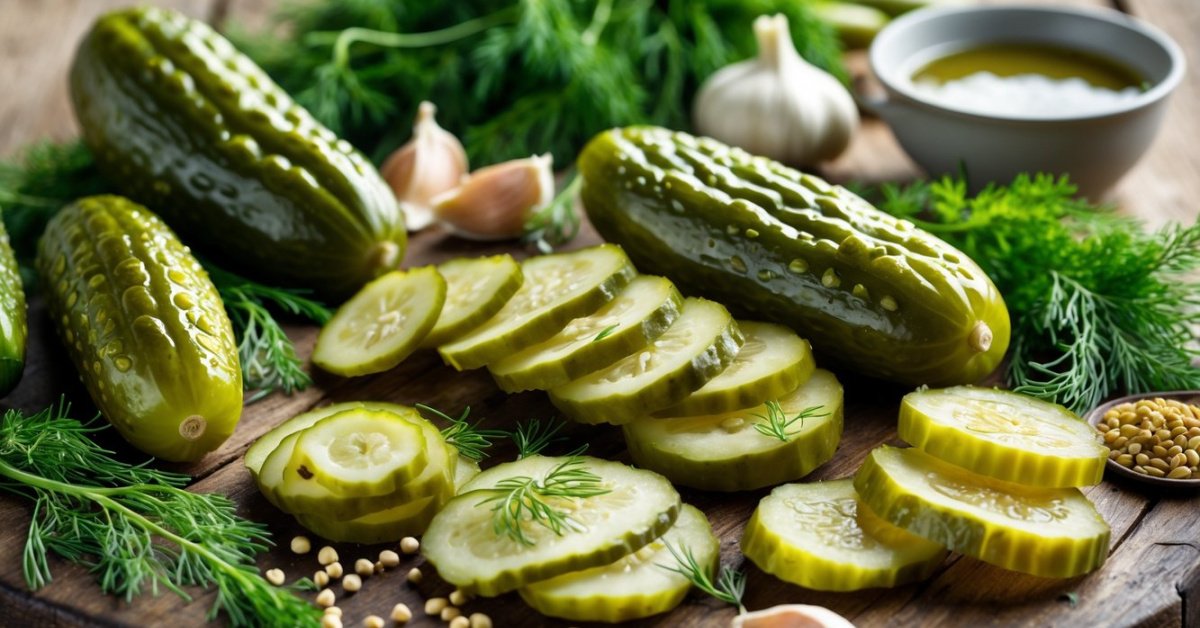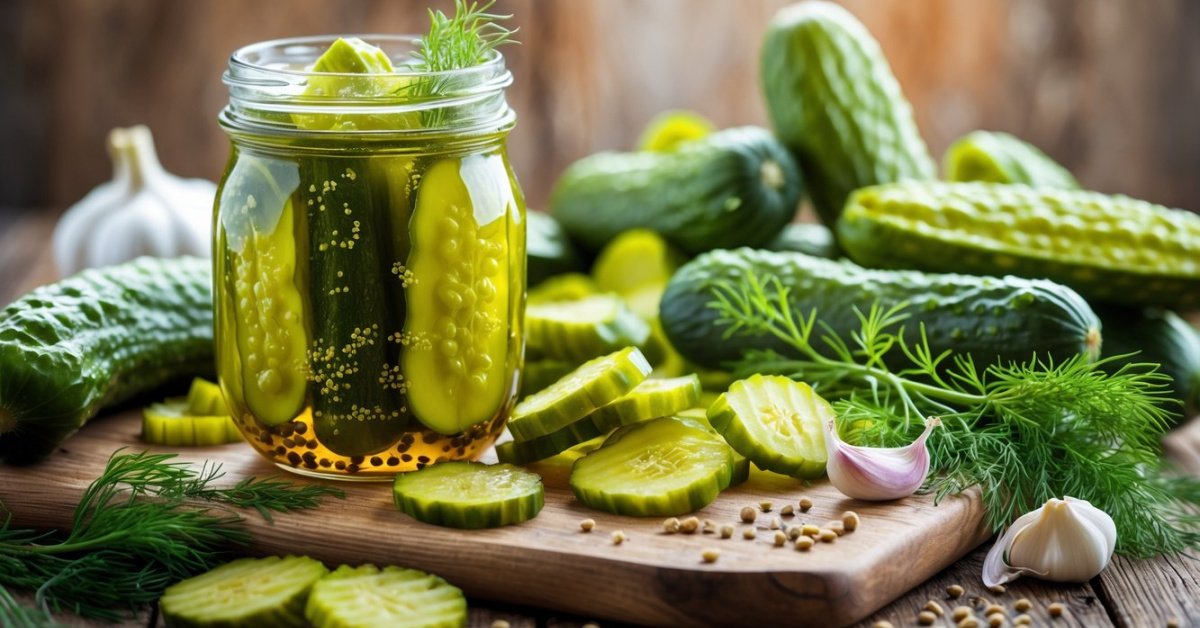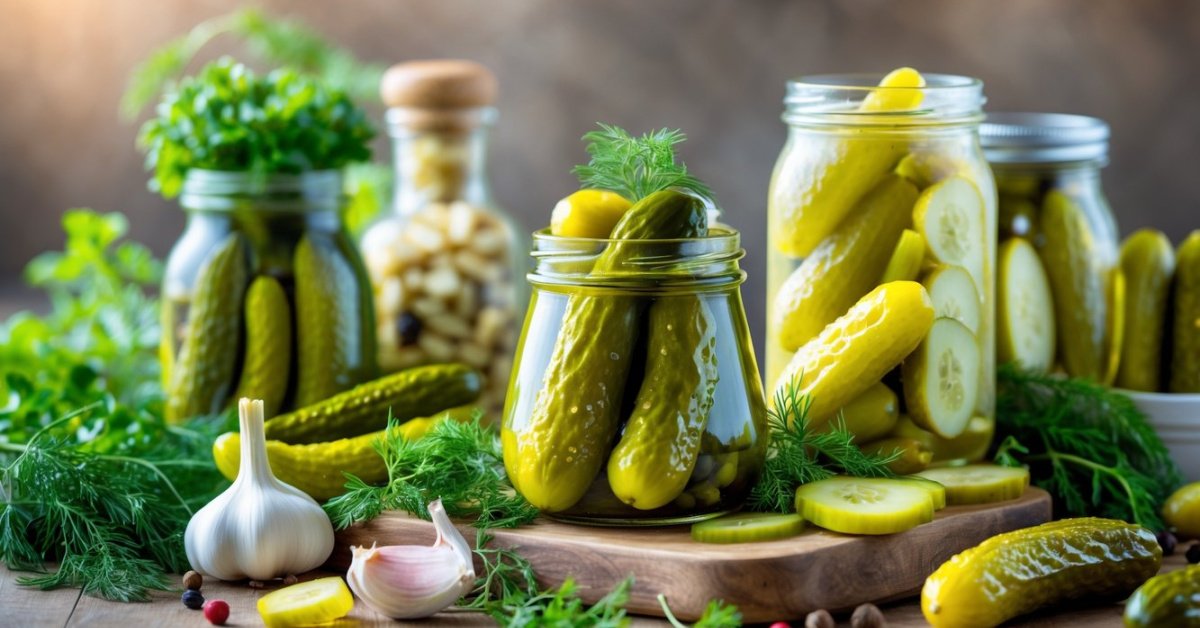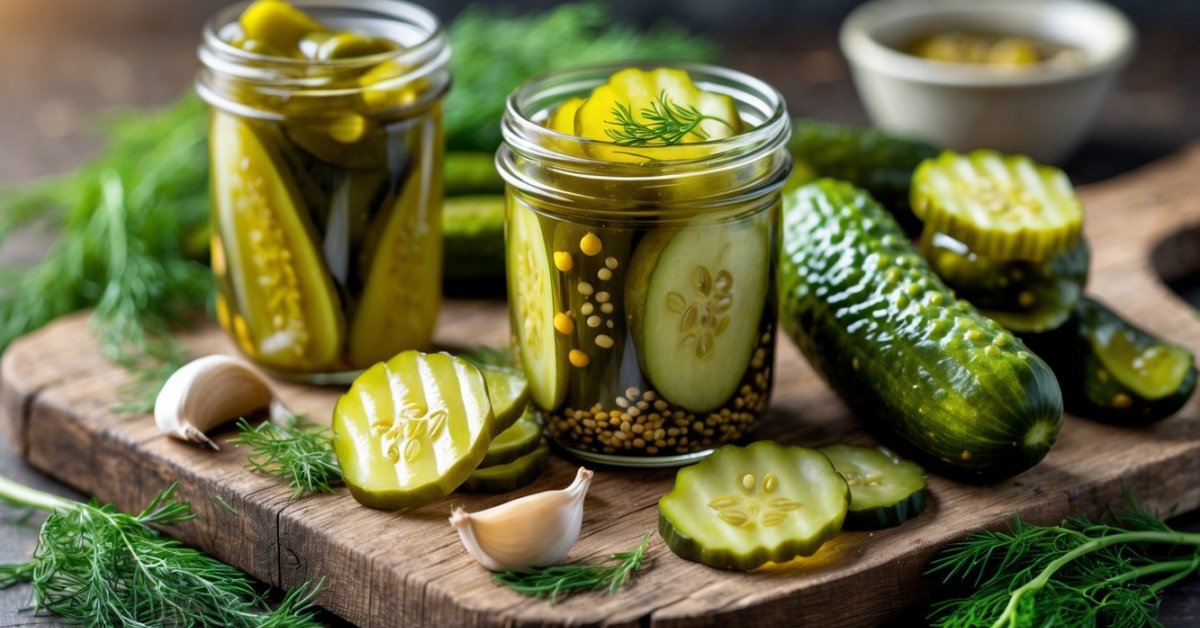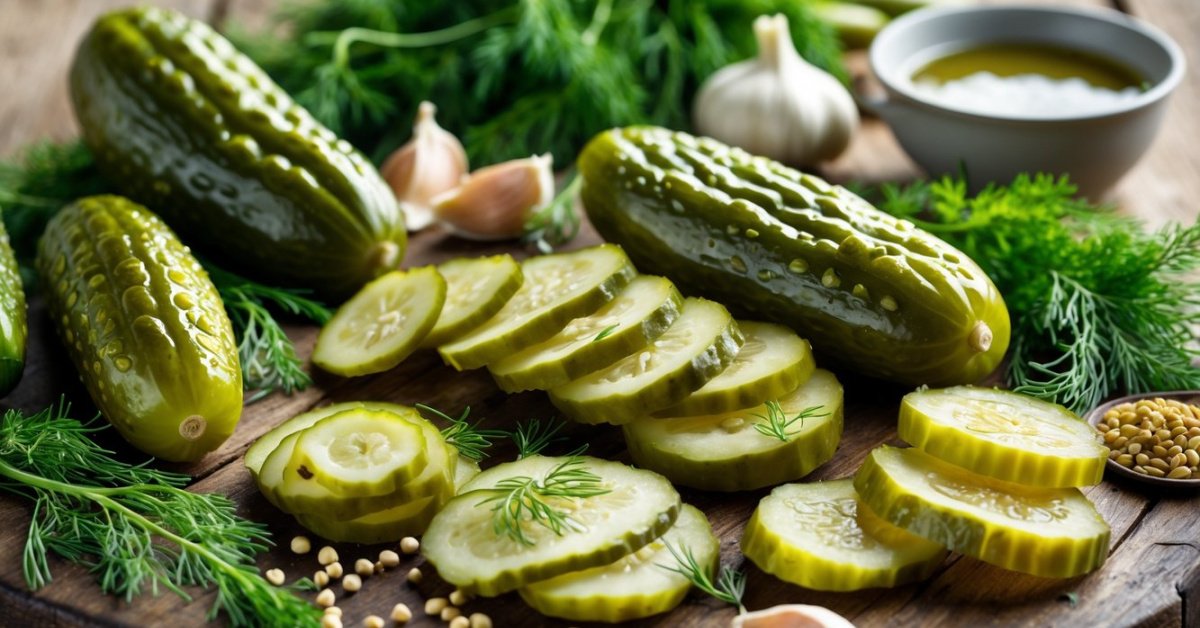
I’ve always loved that little zing a good pickle brings to a meal. When I first tried making my own, I was surprised by how easy and fun it could be—especially when you mix sweet and spicy flavors for that perfect bite. There’s something about that balance that keeps me coming back for more.
If you’ve ever wanted to try your hand at homemade pickles but felt a bit intimidated, you’re not alone. I’m here to share a simple recipe that’s perfect for beginners. With just a few basic ingredients and a bit of patience, you’ll have a jar of sweet and spicy pickles ready to impress your taste buds—and maybe even your friends.
Why Make Sweet and Spicy Pickles at Home
Home pickling unlocks control over the ingredients, flavor balance, and crunch of sweet and spicy pickles. Store-bought versions usually contain preservatives, artificial dyes, and excess sugar or salt, while my jars stick with garden-fresh cucumbers, real spices like mustard seeds and turmeric, and raw cane sugar. I skip ingredients I don’t want and adjust each batch to taste, using jalapeños for more heat, apple cider vinegar for tang, or even homegrown dill for depth.
Pickling at home supports self-sustainability. I turn extra garden cucumbers, peppers, and onions into pickles instead of letting them spoil. Homemade batches let me preserve the flavor and color of my best harvests, keeping garden food on the table year-round.
Making my own pickles saves money over time. Initial costs—such as jars, lids, and vinegar—spread across dozens of jars, making each batch inexpensive. I maximize value by using seasonal produce, stretching my gardening and grocery budgets.
Flavor customization sets homemade pickling apart. I achieve the precise sweet-heat balance I love because I taste the brine and adjust as I go. That flexibility can’t be matched by any supermarket jar.
Sharing pickles made from homegrown produce builds community. Friends and family appreciate unique homemade gifts, especially when they know the produce came from my own garden and that each jar reflects the time and care I put into pickling.
Essential Ingredients for Sweet and Spicy Pickles
I use just a handful of ingredients when making sweet and spicy pickles with fresh garden cucumbers. Each one shapes flavor, controls texture, or helps preserve each batch.
- Cucumbers (Kirby or Persian)—I choose firm, blemish-free cucumbers, usually Kirby or Persian for maximum crunch and minimal seeds.
- Sugar (white granulated)—I add white granulated sugar, usually 3/4 cup per quart jar, to bring out the sweet notes that balance the vinegar’s tang.
- Vinegar (white distilled or apple cider)—I pick white distilled or apple cider vinegar for brisk tartness that ensures safe preservation and clear flavor.
- Salt (kosher or pickling)—I use kosher or pickling salt (never table salt) for clean salinity, using about 2 tablespoons per quart, to avoid cloudy brine or off-flavors.
- Garlic (fresh cloves)—I crush fresh garlic cloves to deepen the savory undertones of every jar.
- Chili Peppers (sliced fresh or red pepper flakes)—I layer fresh sliced chili peppers or add 1 teaspoon red pepper flakes per jar to spark up the heat.
- Spices (mustard seed, dill seed, coriander, cloves)—I toss in 1 teaspoon mustard seed, 1 teaspoon dill seed, and 1/2 teaspoon coriander or a pinch of whole cloves in each batch for signature fragrance and complexity.
- Water (filtered)—I dilute my vinegar with filtered water (in a 1:1 ratio with vinegar) for a gentle acidic bite that doesn’t overpower.
I combine these ingredients for pickling whenever I want the right mix of sweetness, heat, crunch, and preservation. Consistent ingredient quality keeps pickles crisp and flavorful, batch after batch.
Step-by-Step Sweet and Spicy Pickle Recipe for Beginners
I make sweet and spicy pickles in small batches to keep their flavors balanced and fresh. This method keeps the process simple for new picklers while giving impressive results.
Preparing the Vegetables
I wash cucumbers, chili peppers, and garlic under cold running water to remove any dirt or debris. I slice cucumbers into ¼-inch rounds for easy packing and quick pickling. I trim both ends of each cucumber, since the blossom end can cause soft spots. I mince garlic cloves and slice chili peppers for even heat distribution in every jar. I gather the spices—mustard seed, dill seed, and coriander—and set them near my cleaned jars for organized, efficient work.
Making the Pickling Brine
I stir vinegar, sugar, and salt in a nonreactive saucepan to make a clear, balanced brine. I use a 1:1 ratio of vinegar to sugar for the signature sweet tang, then dissolve 2 tablespoons of kosher salt per quart of brine. I bring the mixture to a boil, stirring to make sure the sugar and salt dissolve completely. I add prepared spices directly to the brine so their flavors bloom while it simmers for 2 minutes.
Combining and Storing the Pickles
I pack sliced cucumbers, chili peppers, and garlic tightly into sterilized glass jars, leaving ½ inch of headspace at the top. I pour boiling brine over the vegetables to cover them fully, tapping jars gently to release air bubbles. I seal jars with clean lids and let them cool at room temperature for 1 hour. I refrigerate the jars immediately for fast, safe pickling if I’m not processing them for long-term storage. Pickles develop flavor after 24 hours, but I find a 7-day rest in the fridge deepens their sweet and spicy punch.
Tips for Perfect Sweet and Spicy Pickles
- Use crisp, fresh cucumbers for sweet and spicy pickles, like morning-harvested Kirbys or Persians.
- Slice cucumbers evenly to ensure uniform flavor absorption and crunch in every bite.
- Sterilize jars by boiling them for at least 10 minutes before packing, since clean jars help prevent spoilage in pickling.
- Pack the jars tightly, leaving about ½ inch of headspace for brine expansion and full pickle submersion.
- Pour hot brine immediately over vegetables to lock in flavors and preserve crunch when making sweet and spicy pickles.
- Let pickles sit undisturbed in the fridge for at least 7 days for robust sweet and spicy flavor development.
- Experiment with chili pepper types in sweet and spicy pickles, such as jalapeño, serrano, or Fresno, for different heat levels and flavor notes.
- Shake the jars gently after brining and after two days in the fridge to help distribute spices in the sweet and spicy pickles.
- Store pickles in a cold spot in the fridge since consistent cool temperatures preserve texture and prevent mushiness.
- Label each jar with the packing date and any spice adjustments to track recipe tweaks and batch performance over time.
Serving Suggestions and Variations
- Sandwich toppers
I add sweet and spicy pickles to grilled cheese, turkey clubs, or pulled pork for a tangy, crunchy burst. Pile two to four slices per sandwich for balanced flavor without overpowering other ingredients.
- Salad enhancements
I dice pickles and toss them into potato salad, tuna salad, or egg salad. The sweet heat lifts creamy bases and adds fresh crunch, using about ½ cup chopped pickles for every four servings.
- Cheese and charcuterie boards
I place whole or halved pickles alongside sharp cheddar, salami, or prosciutto. The tang smooths richer meats and cheeses, making pickles an essential in any board I arrange for guests.
- Burger companions
I layer pickles under the patty or stack them on top. The vinegar and spice cut through beef or chicken, highlighting the flavors, with three to five chips per burger offering ideal contrast.
- Snack trays
I serve chilled pickles on a plate with cherry tomatoes, baby carrots, and olives. These pickles become a quick, crowd-pleasing bite, enhancing simple garden snacks.
Pickle Variations
- Different vegetables
I substitute green beans, cauliflower florets, or sliced red onions for cucumbers. These vegetables hold up well in brine and absorb sweet and spicy notes, using the same batch recipe.
- Mixed peppers
I alternate jalapeño, serrano, or habanero for unique heat levels. One sliced pepper per jar shifts the flavor profile to mild, medium, or hot.
- Fresh herbs
I add sprigs of dill, thyme, or tarragon before brining. These herbs boost complexity and aroma, with 2–3 sprigs per quart jar.
- Adjusted sweetness
I reduce or increase sugar by up to 25% for more tang or deeper sweetness. Changing sugar content alters the balance without affecting crunch.
- Spiced blends
I blend black peppercorns, allspice berries, or crushed red pepper for new undertones. One teaspoon of extra spice per jar lends signature flavor notes and boosts custom batches.
Conclusion
Making sweet and spicy pickles at home has become one of my favorite kitchen rituals. There’s something incredibly satisfying about opening a jar I made myself and tasting that perfect blend of flavors.
If you’re just starting out don’t stress about perfection. Every batch is a chance to learn and tweak things to match your taste. Before you know it you’ll have your own signature pickle recipe and maybe even a few friends and family asking for a jar or two. Happy pickling!