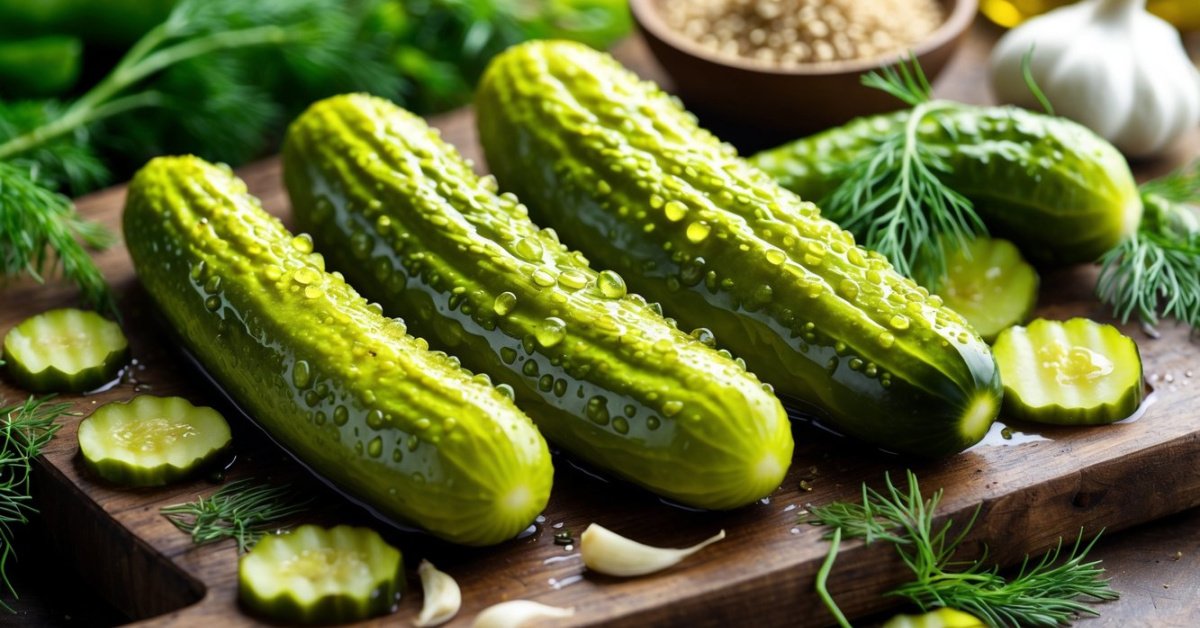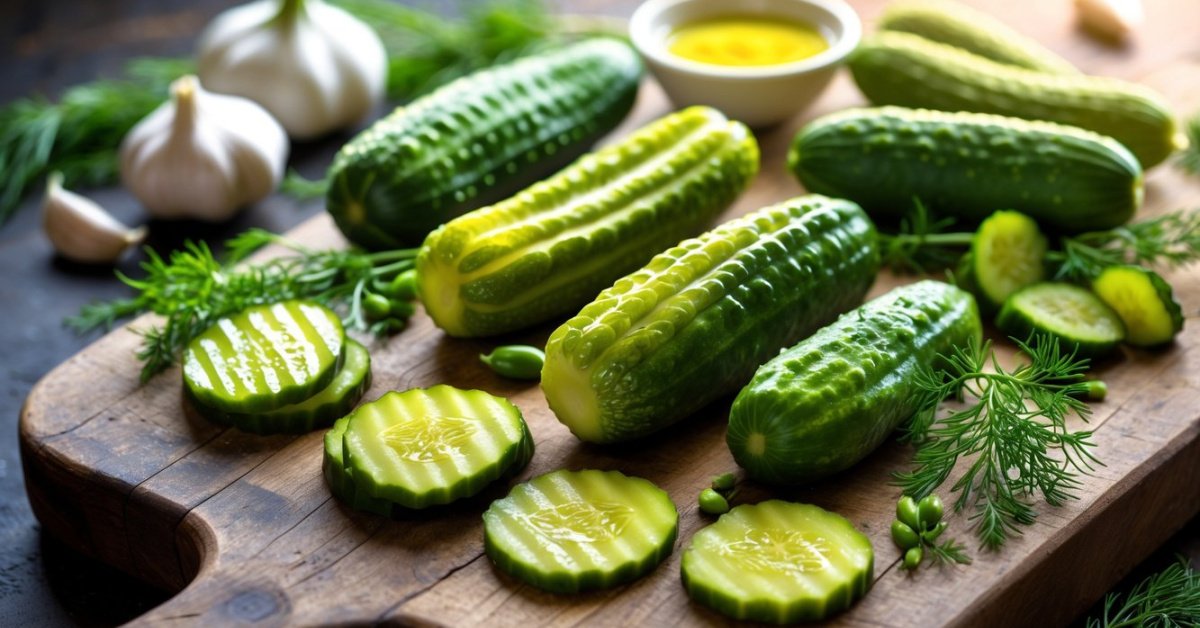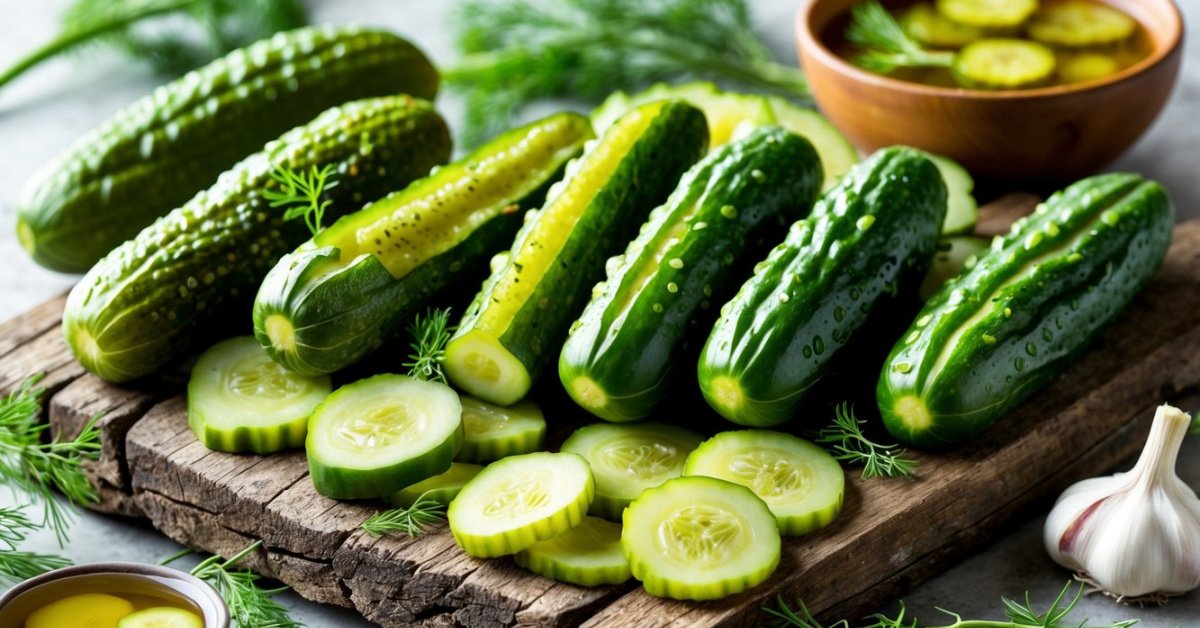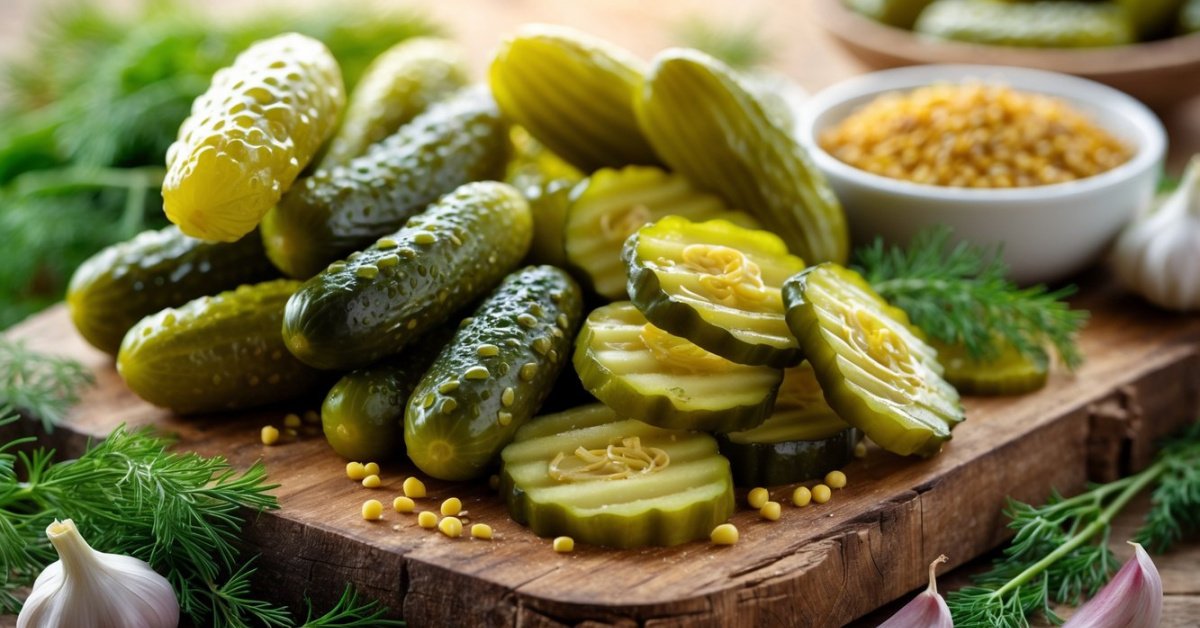
Whenever I open a jar of pickles I can’t help but smile at that tangy crunch. For anyone following a vegan diet pickles aren’t just a tasty snack—they’re a little jar of possibility. Whether I’m layering them on a sandwich or enjoying them straight from the fridge pickles always add a burst of flavor to my meals.
But there’s more to pickles than just their zesty taste. I’ve found that these briny treats can pack a surprising nutritional punch especially for vegans looking to boost their diet. Let’s take a look at why pickles deserve a spot in every vegan kitchen.
Understanding Pickles in Plant-Based Nutrition
Pickles in plant-based nutrition serve as both flavorful additions and sources of micronutrients. I always focus on the types of vegetables I pickle, like cucumbers, carrots, and cauliflower, since diverse options provide different vitamins. Fermented pickles supply lactobacillus bacteria, supporting gut health—studies from the Journal of Applied Microbiology (2015) demonstrate improved digestion from fermented vegetables.
Sodium content in pickles requires attention, as brining vegetables raises salt levels. I recommend choosing low-salt recipes or rinsing pickles before eating if sodium’s a concern.
Store-bought pickles sometimes contain artificial preservatives or added sugars. I create my own brines to avoid unnecessary ingredients, using vinegar, salt, and spices sourced from my garden for flavor and quality control.
Pickled vegetables retain fiber, vitamin K, and certain phytonutrients lost in cooking. I value small-batch pickling to lock in these nutrients, giving vegans more variety and nutritional density.
My routines in gardening, harvesting, and small-batch fermenting maximize nutrition in every jar, aligning plant-based meals with homegrown, sustainable practices.
Key Nutritional Benefits of Pickles for Vegans
Pickles offer concentrated nutrients from garden-fresh vegetables, helping plant-based diets meet nutritional needs. I see pickles as a perfect blend of flavor and function, especially when made with homegrown produce.
Probiotics and Gut Health
Fermented pickles support digestive health through natural probiotics. I use lacto-fermentation, which encourages lactobacillus bacteria growth, producing brined pickles that introduce healthy microbes into vegan diets. These live cultures can balance gut flora, which supports immune function and aids in nutrient absorption. Sauerkraut, kimchi, and kosher dill rounds are prime fermented options that boost gut diversity.
Vitamins and Minerals Content
Pickled vegetables hold essential vitamins and minerals from the original produce. I commonly pickle cucumbers, carrots, beets, and cauliflower, which deliver vitamin K, vitamin A, vitamin C, folate, and potassium. My small-batch brining process preserves these micronutrients more effectively than mass-market methods. Vitamin K supports blood clotting, vitamin C aids iron absorption, and potassium assists with fluid balance, each strengthening the value of home-pickled vegetables.
Low-Calorie Snacking Option
Pickles deliver bold taste while keeping calorie counts minimal. One spear of classic dill pickle contains about 5–10 calories but offers fiber and crunch. I recommend pickles over oily snacks because pickled cucumbers, radishes, and green beans combat hunger without adding excess calories. For clients watching their daily intake, I suggest pairing pickles with whole foods, creating satisfying, low-calorie snacking experiences.
Selecting Vegan-Friendly Pickles
I always read pickle labels and test simple recipes to make sure they’re vegan-friendly. Many store-bought jars hide animal products or unnecessary additives, so I pay close attention before adding pickles to plant-based meals.
Identifying Non-Vegan Ingredients
I check for ingredients like honey, which some sweet pickles use, and lactic acid derived from dairy. Gelatin and some food colorings, such as carmine (made from insects), also appear in certain brands. Natural flavors might include animal sources, so I only trust brands that clearly list all plant-based components. My pickling process uses vinegar, salt, and spices from my herb garden—never animal-derived thickeners or additives.
Tips for Choosing the Healthiest Pickles
I look for pickles that use minimal, whole-food ingredients—usually just vegetables, water, vinegar, salt, and spices. Organic or local produce from my own garden ensures better quality. I select lacto-fermented pickles for probiotic benefits, checking labels for “live cultures” or “naturally fermented.” Low-sodium versions help manage salt intake, and I avoid pickles with added sugar or artificial preservatives. For the freshest, most flavorful options, I pickle small batches myself, using herbs like dill and garlic for depth and micronutrients. If I buy from a store, I choose glass jars over plastic, since they better preserve taste and avoid leaching chemicals.
Incorporating Pickles Into a Vegan Diet
Pickles fit seamlessly into vegan meals, adding vibrant flavor and nutritional depth. I often reach for house-made pickles to boost variety and balance in plant-based dishes.
Creative Meal Ideas With Pickles
- Layering in Sandwiches and Wraps: I add sliced pickles—dill cucumbers, pickled carrots, or beets—to vegan sandwiches or wraps for crunch, acidity, and color. Pickles pair well with ingredients like hummus, roasted vegetables, or vegan deli slices.
- Mixing Into Salads: I toss chopped pickles into lentil, potato, or chickpea salads. This brightens the flavor, boosts minerals like potassium and iron, and complements creamy vegan dressings.
- Adding to Grain Bowls: I layer pickled cauliflower, radishes, or green beans atop rice or quinoa bowls for a tangy contrast. Pickled vegetables combine well with leafy greens, grilled tempeh, or avocado.
- Plating With Vegan Cheese Boards: I serve variety—gherkin spears, spicy pickled okra, fennel, or pearl onions—alongside plant-based cheeses, olives, and seeded crackers. These options enhance the snack experience with lactic tang and diverse textures.
- Spreading on Toast or Flatbreads: I mash pickled vegetables into vegan cream cheese or bean spreads, then spoon onto toast or flatbread for a quick breakfast or snack.
- Garnishing Soups and Stews: I finish comforting split pea, lentil, or minestrone soups with diced pickled vegetables. This adds brightness, sodium, and subtle herbal notes to hearty dishes.
Rotating pickled selections in weekly meal prep sustains interest and delivers consistent nutrition. I encourage experimenting with different vegetable combinations, brine infusions, and serving styles to personalize vegan meals through pickling.
Potential Drawbacks and Considerations
Salt Content
Pickles for vegan diets often contain significant sodium, especially those made with traditional brines or shelf-stable recipes. Excess sodium can contribute to high blood pressure, so I recommend using low-salt pickling options or rinsing pickles before eating if sodium intake is a concern.
Preservatives and Additives
Commercial pickles frequently include artificial preservatives, colorings, or stabilizers such as sodium benzoate and Yellow 5. These additives don’t add nutritional value and sometimes conflict with clean, plant-based eating, so I prioritize homemade batches using whole ingredients from my garden.
Sugar in Pickling Brines
Some store-bought or sweet pickles, like bread-and-butter styles, contain added sugars. Unchecked sugar intake can counteract the benefits of a vegan diet. By sticking to simple brine recipes and skipping unnecessary sweeteners, I maintain control over my pickled foods’ nutritional profile.
Acidity and Digestive Sensitivities
Pickles for vegan diets, especially those made with vinegar, may trigger acid reflux or stomach discomfort, particularly in people sensitive to acidic foods. When preparing or serving pickles, I monitor fermentation times and brine ratios to create balanced flavors and minimize harsh acidity.
Nutrient Degradation
Prolonged heat-processing or excessive pickling duration can decrease vitamin content, especially vitamin C and some B vitamins. To preserve the vibrant nutrition of my veggies, I favor quick fridge pickles and lacto-fermentation without boiling, keeping colors and flavors intact.
Allergens and Cross-Contamination
Some commercial pickle brands process products in shared facilities that handle allergens like mustard or gluten. When preparing pickles for gatherings or markets, I always verify ingredient sourcing and maintain dedicated utensils to avoid cross-contact.
Overconsumption of Fermented Foods
Fermented vegan pickles deliver quality probiotics, but consuming large quantities may cause bloating or digestive upset, particularly for those unaccustomed to live cultures. I recommend gradual introduction and variety, mixing fermented and vinegar-pickled options in plant-based meals.
Conclusion
I’ve found that pickles can really brighten up a vegan diet with their bold flavors and unique textures. They’re not just a tasty addition but also a way to boost nutrition and add variety to my meals.
By being mindful about ingredients and preparation, I can enjoy pickles in a way that supports my health and fits perfectly with my plant-based lifestyle. Exploring new pickling recipes and experimenting with different veggies keeps things interesting and delicious every week.