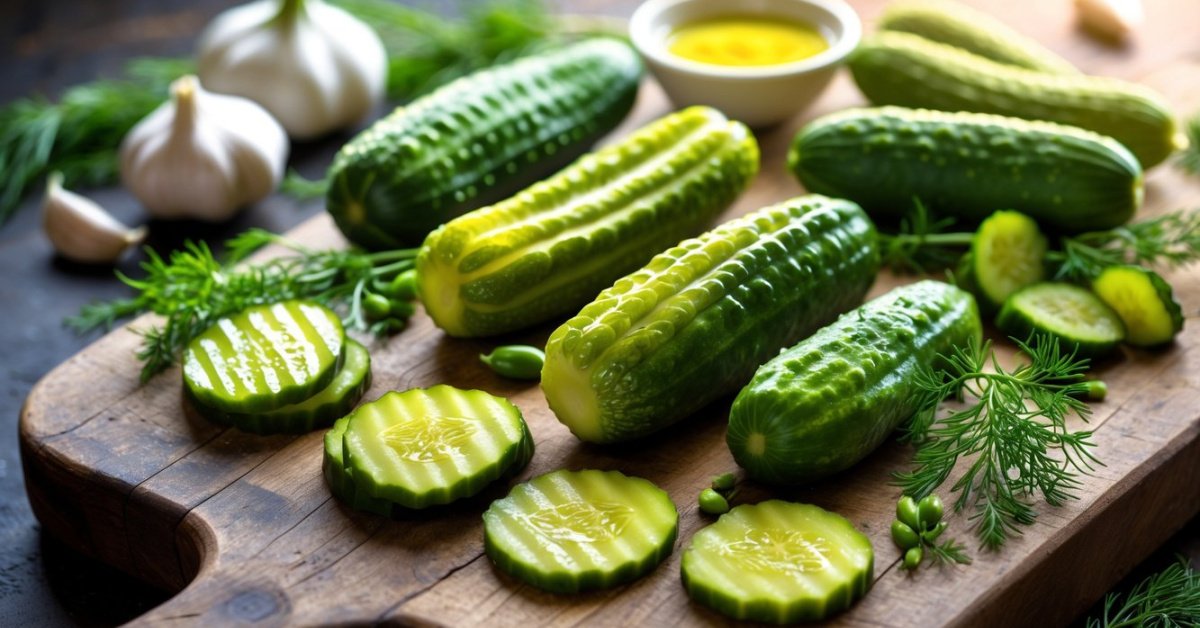
There’s something irresistible about the crunch and tang of a good pickle. Whether I’m adding them to sandwiches or enjoying them straight from the jar, pickles always seem to hit the spot. But I can’t help but wonder about the sodium packed into every bite.
I’ve heard plenty about how much salt goes into making pickles, and it got me thinking about what that means for my health. If you love pickles as much as I do, it’s worth taking a closer look at the sodium hiding in those tasty spears. Let’s explore what you really need to know before you reach for your next pickle.
The Role of Sodium in Pickles
Sodium preserves pickles and creates their classic tangy flavor. I always use salt as a core ingredient in brines and fermentation because it inhibits harmful bacteria and molds, supporting only beneficial microbes like Lactobacillus. Sodium helps cucumbers and other vegetables stay firm by pulling moisture out during pickling—a process called osmosis—which keeps them crisp for months after processing.
Taste depends on sodium levels, with higher concentrations giving pickles their signature salty kick, as seen in kosher dills and classic bread-and-butter varieties. Texture improves with salt, and without enough sodium, pickles can turn soft and lose flavor. In lacto-fermented pickles, precise sodium control lets me steer the fermentation, as microbes thrive only within a certain salt range.
I weigh my salt for consistency, using measured percentages—typically between 2% and 5% by weight. Gardeners and home picklers use non-iodized salts, such as pickling or kosher salt, to avoid additives that cloud brine or affect taste. For self-sufficient food storage, sodium remains the most reliable tool I use to keep produce shelf-stable through the seasons.
How Sodium Affects the Pickling Process
Sodium transforms cucumbers into crisp, flavorful pickles and keeps them safe to eat. I always consider how the type and amount of sodium alter every batch’s outcome.
Preservation and Flavor Enhancement
Sodium preserves pickled vegetables by drawing moisture out of produce and creating a salty environment. Harmful microbes can’t thrive in high-sodium brines, while wanted bacteria or lactic acid bacteria survive and turn sugars into lactic acid. This acidification lowers pH, keeping pickles shelf-stable and giving them their classic tang. When I use higher sodium concentrations—around 5–8% by weight for classic kosher dills or 2–3% for some bread-and-butter pickles—texture stays crisp and flavor deepens. These sodium levels both protect and enhance, giving me the briny crunch I expect.
Types of Salts Used in Pickling
Pickling salts provide sodium without additives like anti-caking agents; I reach for pure canning or kosher salt to keep flavors clean and brines clear. Kosher salt makes measuring by weight essential since crystal size varies. I avoid iodized salts because iodine and fillers change brine color and taste. In quick pickles, I’ll use non-iodized sea salt for unique mineral flavors, but it contains the same sodium chloride needed for preservation. Table salt works in a pinch, though it sometimes causes cloudiness. Choosing salt carefully directly impacts sodium content and the finished pickle, affecting safety and taste every time.
Health Implications of Sodium in Pickles
Sodium plays a central role in pickling, but I always keep in mind how much makes it into my finished jars. Each crunchy bite delivers more sodium than most fresh vegetables, so understanding the impact on long-term health becomes essential if pickles are a regular part of your diet.
Recommended Sodium Intake
I follow nutrition guidelines suggesting adults limit sodium to 2,300 mg per day, according to the CDC and FDA. Most store-bought pickles, such as dill chips or whole spears, contain 250–800 mg sodium per serving. If I add just two spears to a meal, it may account for 30% or more of a day’s suggested intake.
| Source | Recommended Limit (mg/day) | Typical Pickle Serving (mg) |
|---|---|---|
| CDC/FDA | 2,300 | 250–800 |
Pickle recipes with less salt or those using potassium-based alternatives help lower the sodium burden, but I always check labels or calculate homemade values to fit my own needs.
Potential Health Risks of High Sodium Consumption
High sodium intake links directly to increased blood pressure, based on consistent evidence from the American Heart Association and World Health Organization. Long-term, this risk raises chances for heart disease and stroke, both leading causes of death in the US.
I’ve observed some fellow picklers face swelling or water retention after eating heavily salted pickles. In my experience, anyone with hypertension, kidney disease, or heart concerns benefits from limiting high-sodium foods, including classic pickles. When I want a crunch without the sodium load, I use my own low-salt recipes or rinse commercial pickles before serving. That way, I keep the fun and flavor, while supporting my health goals tied to gardening and self-sustainable eating.
Comparing Sodium Levels in Different Pickles
Sodium content varies widely between pickle types and brands. I compare sodium levels in pickles before choosing or making a batch since even small differences can change taste and nutrition.
Store-Bought vs. Homemade Pickles
Store-bought pickles typically contain higher sodium. Common brands list 250–800 mg of sodium per serving (1 spear or 28 g), with kosher dills and classic dill chips (examples: Claussen Kosher Dills, Vlasic Ovals) often reaching the top end. These mass-produced pickles use heavy brines to ensure stability on store shelves.
Homemade pickles offer customizable sodium. I control salt precisely—most of my lacto-fermented dills use 2–4% salt by weight, resulting in 300–500 mg sodium per serving after fermentation and rinsing. When I make quick-pickles (refrigerator pickles), I use lighter brines, so sodium usually drops below commercial levels. Fresh rinsing before eating further reduces sodium, letting me balance preservation with gentler flavor.
Low-Sodium Pickle Alternatives
Low-sodium pickles are widely available for those monitoring intake. Brands such as Best Maid and Mt. Olive offer options labeled “Low Sodium” with 45–130 mg per serving. These typically substitute some salt with potassium chloride or use acidic preservation to maintain crunch and safety.
Homemade low-sodium pickles provide more flexibility. I use half the typical salt in brines or favor vinegar-based recipes to achieve 50–150 mg sodium per serving. For extra flavor, I rely on fresh garden herbs, garlic, or hot peppers. If salt reduction is a priority, I choose varieties designed for quick consumption and refrigeration since they don’t require as much sodium for long-term storage.
| Pickle Type | Typical Sodium per Serving (mg) | Example Brands |
|---|---|---|
| Store-bought classic dill | 350–800 | Claussen, Vlasic |
| Store-bought bread & butter | 250–500 | Mt. Olive, Heinz |
| Store-bought low sodium | 45–130 | Best Maid, Mt. Olive |
| Homemade (standard) | 300–500 | N/A (custom batches) |
| Homemade (low sodium) | 50–150 | N/A (custom batches) |
Controlling sodium lets me align my love for pickles with my garden-to-table lifestyle.
Tips for Reducing Sodium in Pickles
- Pick fresh cucumbers from the garden
I pick homegrown or farmers’ market cucumbers for maximum control over starting quality, which helps me avoid hidden sodium from pre-salted produce.
- Weigh salt precisely for brines
I use a kitchen scale to measure canning salt by weight rather than by volume, which ensures accuracy when targeting lower sodium percentages—usually 2–3% for lacto-fermented pickles.
- Choose low-sodium salt alternatives
I opt for mineral salt blends labeled “lower sodium” or potassium-based salts from reputable brands, ensuring the final pickles keep their flavor and safety profile with reduced sodium.
- Rinse commercial pickles before eating
I give jarred pickles a quick rinse under cold water, which cuts surface sodium and doesn’t alter the core flavor or texture much.
- Modify brine recipes for quick pickles
I tweak quick-pickle brines by decreasing salt and increasing vinegar or fresh herbs like dill and garlic, which boosts flavor without added sodium.
- Experiment with fermentation time
I extend fermentation a day or two at lower salt levels, which allows lacto-fermentation to fully develop flavor and preserve the garden crispness of the pickles.
- Read and compare nutrition labels
I scan sodium per serving on store-bought jars and pick those labeled “low sodium” or with sodium values below 300 mg per spear, which aligns with my health goals and keeps daily intake in check.
These strategies help me enjoy tangy, crunchy pickles year-round while managing sodium and supporting a sustainable garden-to-table lifestyle.
Conclusion
Pickles will always have a place in my kitchen and on my table. I love their bold flavor and satisfying crunch but I know how important it is to keep an eye on sodium. With a little extra care and some simple tweaks I can still enjoy my favorite pickles without overdoing it on salt.
Finding the right balance lets me savor every bite while supporting my health and garden-to-table goals. Whether you make your own or pick up a jar from the store there’s always a way to enjoy pickles that fits your lifestyle.