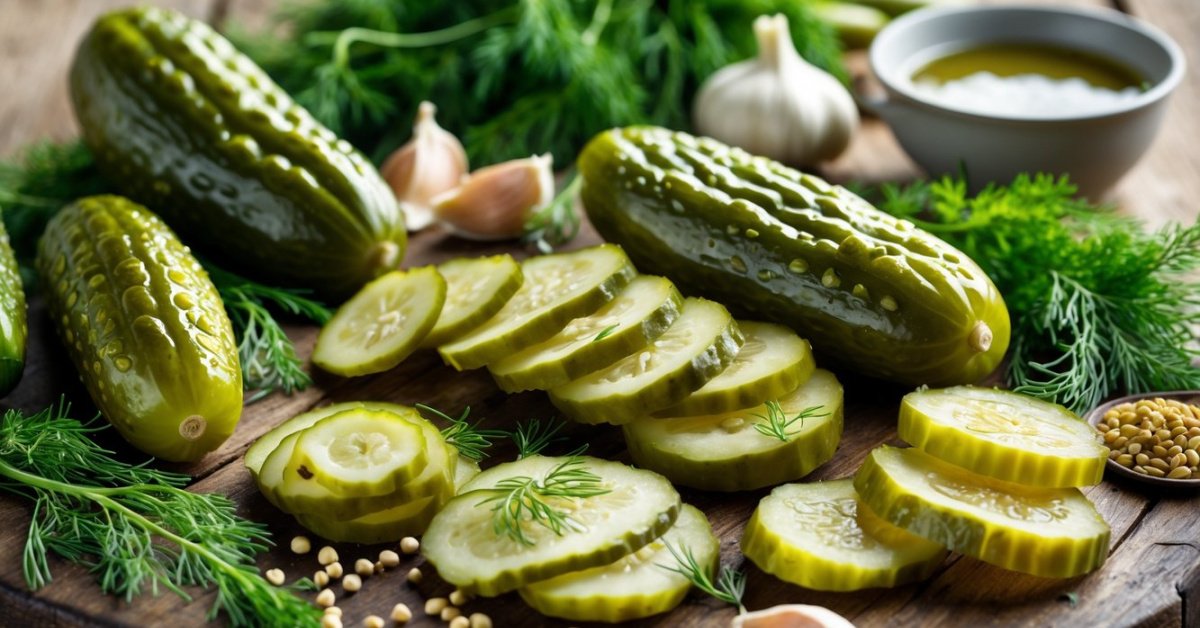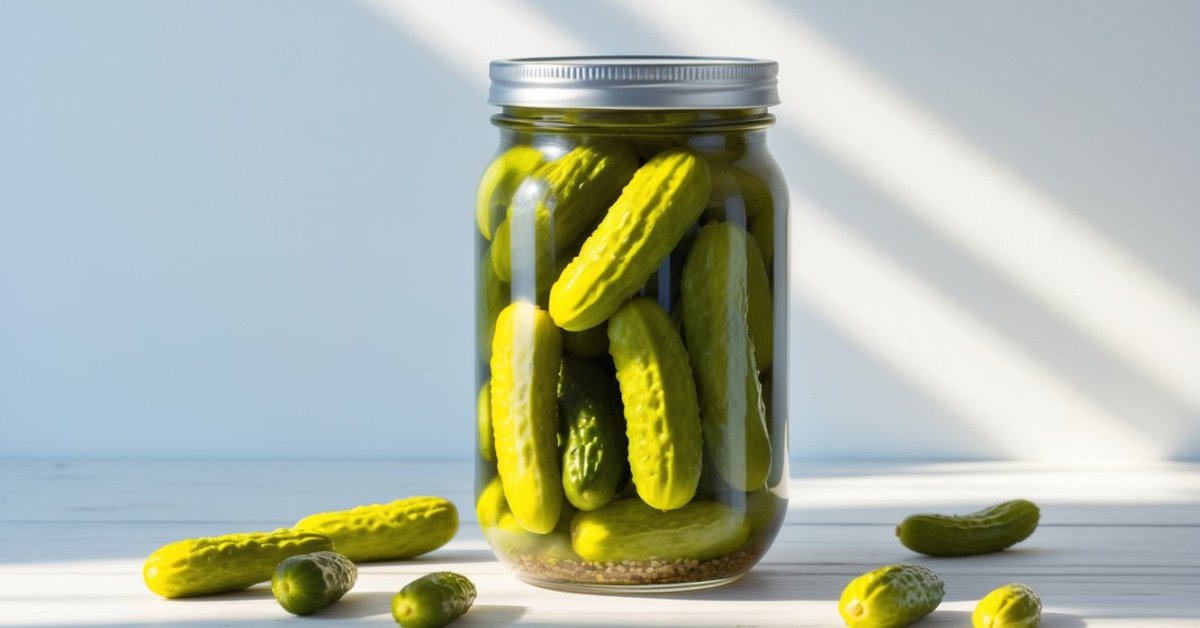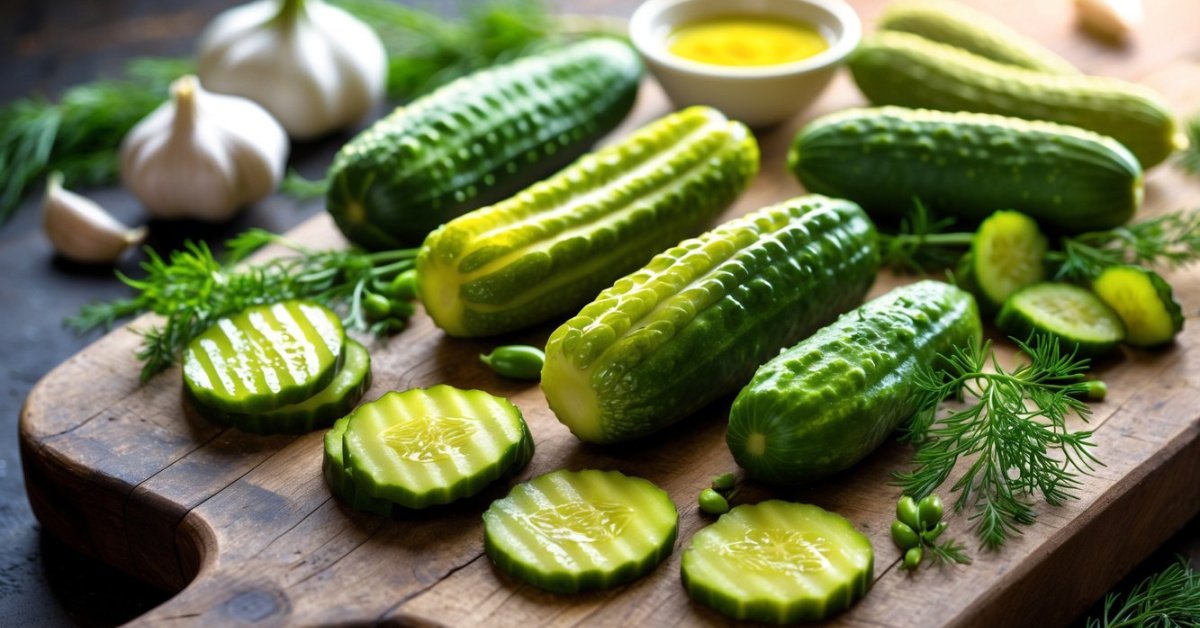
Whenever I bite into a crisp dill pickle, I can’t help but wonder how this tangy treat found its way onto so many American plates. From classic deli sandwiches to backyard barbecues, dill pickles seem to pop up everywhere—adding that unmistakable crunch and burst of flavor we all crave.
I’ve always been fascinated by the stories behind our favorite foods, and dill pickles are no exception. Their journey into American cuisine is full of surprising twists and cultural influences, making them more than just a simple side dish. Let’s take a look at how these briny bites became a beloved staple across the country.
Early Origins of Pickling
Pickling began as a preservation technique thousands of years ago, long before refrigeration existed. Ancient Mesopotamians practiced pickling as early as 2400 BCE, using brine to extend the shelf life of cucumbers and other vegetables, according to the National Center for Home Food Preservation. Egyptians, Greeks, and Romans each adopted variations of pickling—Roman soldiers, for example, relied on pickled foods for nutrition during long campaigns.
Salt and vinegar formed the base of early pickling brines in regions with access to these essentials. Vinegar-based pickling appeared in ancient China by 200 BCE, where pickled vegetables provided a steady food supply through harsh winters. Communities throughout the Mediterranean, Middle East, and Asia all developed unique pickling traditions—Korean kimchi and Persian torshi provide clear examples.
Throughout history, home gardeners like me have relied on pickling both for flavor and to reduce waste. Early American settlers carried these old-world methods across the Atlantic, using them to harvest and store cucumbers from their gardens. Sustainable food preservation practices, like pickling, helped families survive the unpredictable growing seasons of colonial America.
Arrival of Dill Pickles in America
Immigrant waves brought dill pickles to American shores, mostly in the late 19th and early 20th centuries. Eastern European Jews, arriving in cities like New York between 1880 and 1924, introduced strong dill brines and unique fermentation recipes. Street vendors in Lower East Side neighborhoods sold barrel-fermented cucumbers seasoned with fragrant dill seeds and garlic.
Commercial pickle producers soon adopted these formulas, and by the 1920s, companies like Heinz and Vlasic distributed jarred dill pickles nationwide. Unlike earlier American pickles, which mostly used sweet or plain sour brines, these new dill varieties highlighted the distinct aroma and taste that I associate with traditional pickling.
Home gardeners in rural areas followed suit, and many still use old-world methods to grow cucumbers and harvest dill for annual canning sessions. Cultural food markets, including Jewish delicatessens and German-style bakeries, maintained a steady demand for authentic dill pickles through the 1930s and 1940s.
Dill’s resilience in garden beds and its compatibility with North American cucumber varieties made it a favorite spice in American home food preservation. Pickling with dill let families extend their harvest, preserve surplus, and enjoy garden flavors year-round.
The Rise of Dill Pickles in American Food Culture
Dill pickles gained major traction in American food culture as pickling spread from home kitchens to street corners and restaurant menus. I’ve seen their growth tie directly to patterns of immigration, urbanization, and changing tastes around preserved foods.
Influence of Immigrant Communities
Jewish, Eastern European, and German immigrants introduced robust dill-forward pickling traditions in densely populated US cities from the 1880s through the 1920s. I regularly point out how Jewish vendors on the Lower East Side of New York used wooden barrels to ferment cucumbers with garlic, mustard seed, and plenty of dill. Polish and Russian families swapped pickling tips in tight-knit neighborhoods, which helped refine brine recipes and fermentation methods.
Restaurants and community markets in immigrant districts spotlighted authentic dill pickles as snacks and condiments. For example, German-American bakers paired briny pickles with hearty rye breads and sausage platters. In every case, immigrants spread knowledge that sparked nationwide interest in bold, tangy pickled cucumbers.
Dill Pickles in Delis and Diners
Classic American delis started featuring dill pickles as standard plate companions in the early 20th century. I frequently visit old-school delis where every sandwich arrives with at least one crisp half-sour dill spear, just like they did in the 1920s and 1930s. Pickles serve as palate cleansers between bites of salty cured meats and tangy cheese, which adds both texture and acidity to any meal.
Diners and lunch counters across the United States quickly adopted the tradition. Whether I’m ordering a cheeseburger, tuna melt, or club sandwich, I’ll spot at least one dill pickle spear on the plate. Commercial producers—Heinz, Vlasic, and Mount Olive, for example—capitalized on the demand by marketing jarred dills for home and restaurant use alike. This consistency in serving, reinforced by mass production, cemented dill pickles as an expected staple in the American dining experience.
Commercialization and Mass Production
Dill pickles became a mainstay of American cuisine when large-scale producers transformed home recipes into widely available products. I’ve studied how this shift unlocked year-round access to dill pickles, regardless of harvest or geography.
Iconic Brands and Innovations
Heinz introduced national distribution for jarred dill pickles in the 1920s, offering consistent flavor and shelf stability through pasteurization. Vlasic entered the market in 1942, popularizing the now-classic stork mascot and creating the spear-cut pickle format that’s found in sandwiches across the country. Claussen pioneered cold-pack pickling in the 1970s so the pickles kept a crisp bite, using refrigerated storage and rapid processing for maximum freshness.
Mass production required new brining methods, including controlled fermentation tanks and mechanized packing lines that processed tens of thousands of cucumbers daily. Brands invested in seed breeding, developing cucumber cultivars like ‘Regal’ and ‘Carolina’ designed for uniform size and skin texture. Innovations in jar lids, including vacuum sealing, locked in flavor and extended shelf-life, enabling nationwide distribution to diners, grocery stores, and delis from New York to California.
I’ve seen how these advances let major producers keep quality high even as demand soared, ensuring that dill pickles remained an essential feature of American meals while inspiring countless home gardeners and small-batch makers to refine their own recipes.
Dill Pickles in Modern American Cuisine
Pickling’s transformed the American table, and nowhere’s that more obvious than with dill pickles today. I see dill pickles in everything from classic bar snacks to innovative fine-dining creations.
Contemporary Trends and Culinary Uses
Restaurants feature dill pickles in varied forms—fried pickle chips at Southern diners, house-fermented spears alongside burgers at gastropubs, fermented dill pickle juice in craft cocktails, and chopped dill pickles in upscale tartares or aiolis. Home cooks use dill pickle brine to marinate fried chicken, flavor potato salads, and infuse baked loaves. I swap dill-pickled cucumbers for fresh ones in salads or layer them on grain bowls, using their bright acidity to balance rich or spicy flavors. Chefs experiment with quick-brined varieties—ranging from spicy sriracha dill to bread-and-butter-dill hybrids—showing limitless combinations of garlic, spices, and citrus peels.
Artisanal producers craft small-batch dill pickles from local, organic cucumbers, emphasizing seasonality and sustainability. Farmers markets, co-ops, and urban gardens display unique brine blends each season. Pickle festivals celebrate new and classic recipes, with contests focusing on crispness, taste, and creativity.
Social media amplifies the dill pickle’s appeal: viral trends like “pickle chips” or “pickle-flavored popcorn” showcase American enthusiasm for tangy, briny snacks. Many home gardeners share fermentation successes online, trading techniques for cold storage or canning environmentally friendly batches. Dill pickles now reflect both traditional skills and bold, modern culinary invention.
Conclusion
Looking at the journey of dill pickles through American history always leaves me amazed at how something so simple can carry such rich stories and traditions. From backyard gardens to bustling city delis and now to creative kitchens everywhere dill pickles have found a way to stay relevant and delicious.
I love seeing how each generation adds its own twist while still honoring the roots of this crunchy classic. Whether you’re a fan of the old-school barrel-fermented style or you crave new flavors and uses dill pickles always have a spot on my table—and probably yours too.